The Real Consequences of Misdemeanor Assault Convictions in LA County
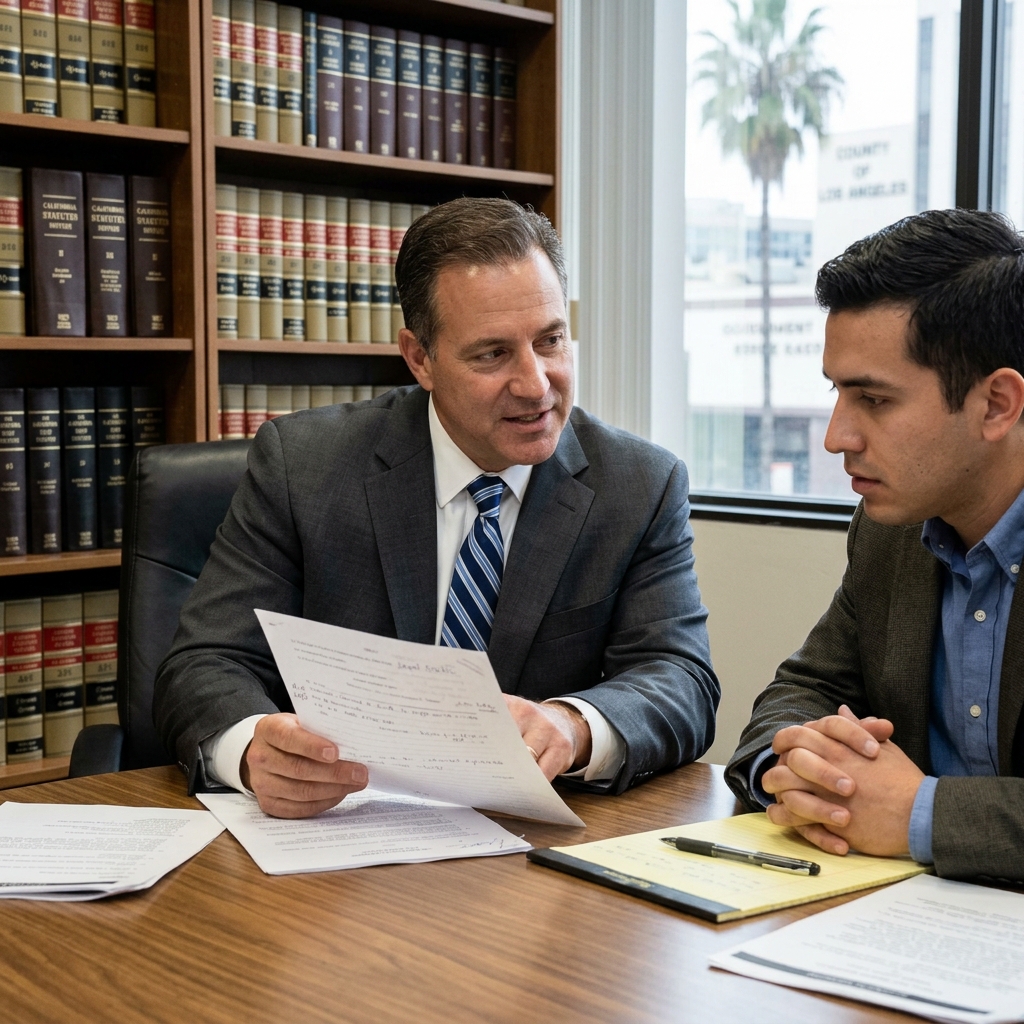
Misdemeanor assault charges can derail your career, damage your reputation, and complicate every background check you face for years. In Los Angeles County, these charges carry serious weight even though they fall below the felony threshold. We see clients who thought a simple assault case would resolve quickly, only to discover that without strategic defense, they’re facing jail time, hefty fines, and a permanent criminal record.
The difference between a conviction and dismissal often comes down to preparation and aggressive investigation. This guide walks you through what you’re facing, how to mount an effective defense, and what steps to take immediately.
A misdemeanor assault conviction in Los Angeles County is not a minor blip on your record. California Penal Code Section 240 defines simple assault as an unlawful attempt to commit a violent injury to another person, or an act committed with force or violence that is sufficient to inflict injury.
Here’s what conviction actually means for your future:
Jail time: Up to six months in county jail, though sentences often range from 30 to 90 days depending on prior history and circumstances
Fines: $1,000 or more, plus court costs and restitution to the victim
Probation: Three to five years of supervised probation with conditions that restrict your freedom
Employment barriers: Most employers run background checks; a conviction creates ongoing discrimination, especially in healthcare, education, security, and professional licensing fields
Housing complications: Many landlords deny applications with assault convictions on record
Professional licensing: If you hold a license (nursing, real estate, contracting), discipline or revocation becomes likely
Immigration consequences: Non-citizens face deportation exposure
The long-term financial and social costs extend far beyond the sentence itself. A single conviction can cost you hundreds of thousands in lost earning potential over your lifetime.
Public defenders manage 400+ cases annually. They rarely have time for thorough investigation or creative negotiation on individual cases. Private attorneys juggling excessive caseloads operate similarly.
Assault cases require specific attention because they hinge on factual details and witness credibility, not just legal procedure. Generic representation typically means:
Minimal investigation into the victim’s background or credibility
No independent witness interviews or re-canvassing of the scene
Missing video evidence that could prove your innocence
Failure to challenge inconsistent police reports or witness statements
Accepting plea deals that could have been negotiated down further
We’ve inherited cases from other attorneys where critical investigative steps were skipped simply due to time constraints. The difference between our approach and high-volume representation is focus. We investigate assault allegations thoroughly because the stakes are too high for shortcuts.
How We Investigate and Challenge Assault Allegations
Our investigation begins immediately after you retain us. We don’t wait for discovery deadlines or rely solely on police reports.
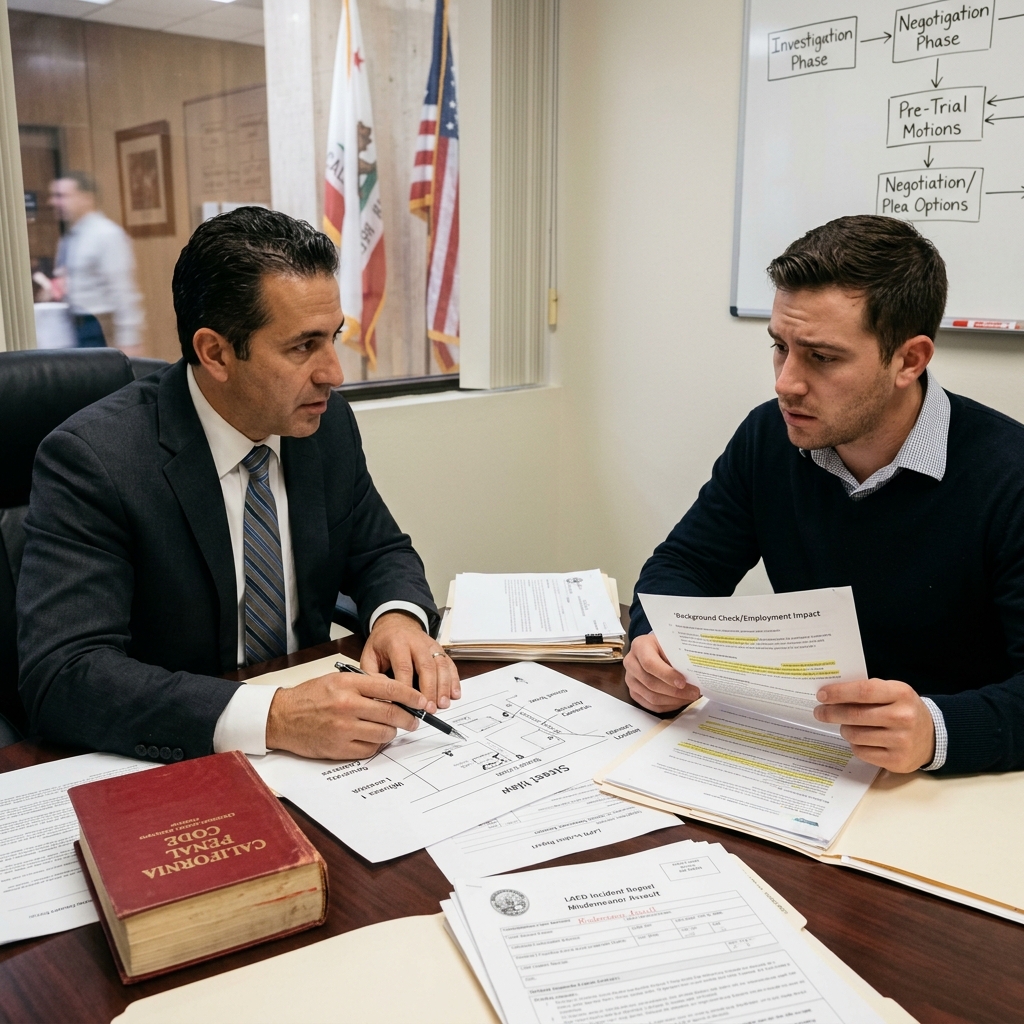
Here’s what a comprehensive assault defense investigation includes:
Scene documentation: We revisit the location, photograph sight lines, identify surveillance cameras, and document environmental factors that affect witness perception
Witness interviews: We locate and interview all potential witnesses, including those who may not have spoken to police or whose statements were minimized in the report
Video evidence: We subpoena surveillance from nearby businesses, traffic cameras, and residential systems; we’ve recovered footage that contradicts the prosecution’s narrative
Medical records review: If the alleged victim reported injuries, we examine medical records for consistency with assault claims; minor injuries can undermine credibility
Background investigation: We research the accuser’s history, prior false reports, and credibility issues relevant to the case
Police report scrutiny: We identify inconsistencies, missing information, and procedural errors that suggest flawed investigation
For example, we recently represented a client accused of assault at a shopping center. The initial report claimed our client initiated contact. During our investigation, we found two independent witness statements (not in the police file) describing the alleged victim as the aggressor. We also obtained video showing the accuser making the first physical contact. The case was dismissed before trial.
Effective Defense Strategies for Misdemeanor Assault Cases
Once investigation is complete, we deploy strategies tailored to your specific facts. Common approaches include:
Self-defense: California law permits reasonable force to defend yourself or others from imminent threat. If you acted to protect yourself or prevent injury, self-defense is a complete defense to assault charges. The key is proving the threat was imminent and your force was proportional.
Lack of intent: Assault requires intentional application of force. If your contact was accidental or you didn’t know force would result, this negates the charge. A person who trips and bumps into someone isn’t committing assault.
Insufficient force: Assault requires force sufficient to cause injury or direct threat of injury. Offensive touching without force may not rise to assault level. This distinction matters significantly in borderline cases.
Mistaken identity: If witnesses misidentified you, or if the description doesn’t match you, we challenge identification reliability through cross-examination and expert testimony if needed.
Consent or provocation context: Some cases involve situations where consent or mutual participation is implied. While this doesn’t automatically eliminate liability, context matters during negotiations.
The strategy we choose depends on the evidence and your specific circumstances. We never recommend a one-size-fits-all approach.
Negotiating Reduced Charges and Plea Options
Not every case should proceed to trial. Strategic negotiation often achieves better outcomes than trial risk.
Misdemeanor assault charges can sometimes be reduced to:
Disturbing the peace (PC 415): No jail time, reduced fines, minimal probation
Simple battery (if injury element is removed): Lower penalties and perception
Infraction-level charges: In some circumstances, resolving as a traffic-style citation
We negotiate from a position of strength. Prosecutors take us seriously because they know we’ve investigated thoroughly and won’t accept inadequate offers. If we can demonstrate weaknesses in their case (credibility issues, missing evidence, witness inconsistencies), we have leverage.
We also consider your personal circumstances: employment status, family obligations, immigration status, and whether you have a prior record. These factors influence both what offers the prosecution may make and what makes sense strategically for your situation.
Protecting Your Employment and Future Opportunities
Your job may feel secondary compared to avoiding jail time, but employment protection is critical to long-term recovery.
Immediate steps when facing charges:
Don’t resign or admit fault to your employer unless absolutely required
Review your employment contract for conduct clauses; some employers trigger discipline automatically upon arrest, while others wait for conviction
Document your job performance and any positive evaluations; this becomes useful if the case influences employment decisions
Inform us of your employment status early; we consider this when strategizing timeline and plea decisions
Record expungement after resolution:
California law allows expungement (Penal Code Section 1203.4) for most misdemeanor convictions, and even some dismissed cases. An expungement removes the conviction from public view and lets you legally answer “no” when asked if you’ve been convicted (with narrow exceptions).
We handle expungement work routinely. Even if your case concludes with a conviction, expungement is often available once probation is completed or after specific waiting periods, typically one to two years.
Building Your Defense Timeline and Evidence Collection
Time is your enemy in assault cases. Evidence degrades, witnesses’ memories fade, and video footage gets deleted.
First 48 hours:
Write down your detailed account of what happened while memory is fresh
Gather contact information for anyone who witnessed the incident
Photograph any injuries you sustained (if the other party was aggressor)
Preserve any text messages, emails, or communications related to the incident
Do not discuss the case on social media or with anyone except your attorney
Days three through seven:
We contact witnesses and gather statements
We identify and preserve video evidence before retention periods expire
We obtain police reports and preliminary investigation materials
We begin reviewing surveillance footage and scene photography
Before arraignment:
We identify additional investigative needs
We prepare our investigation findings for early negotiations
We brief you thoroughly on likely charges and defense options
Delays work against you. Criminal cases move quickly in LA County. Starting investigation immediately is non-negotiable.
Trial Preparation When Dismissal Negotiations Stall
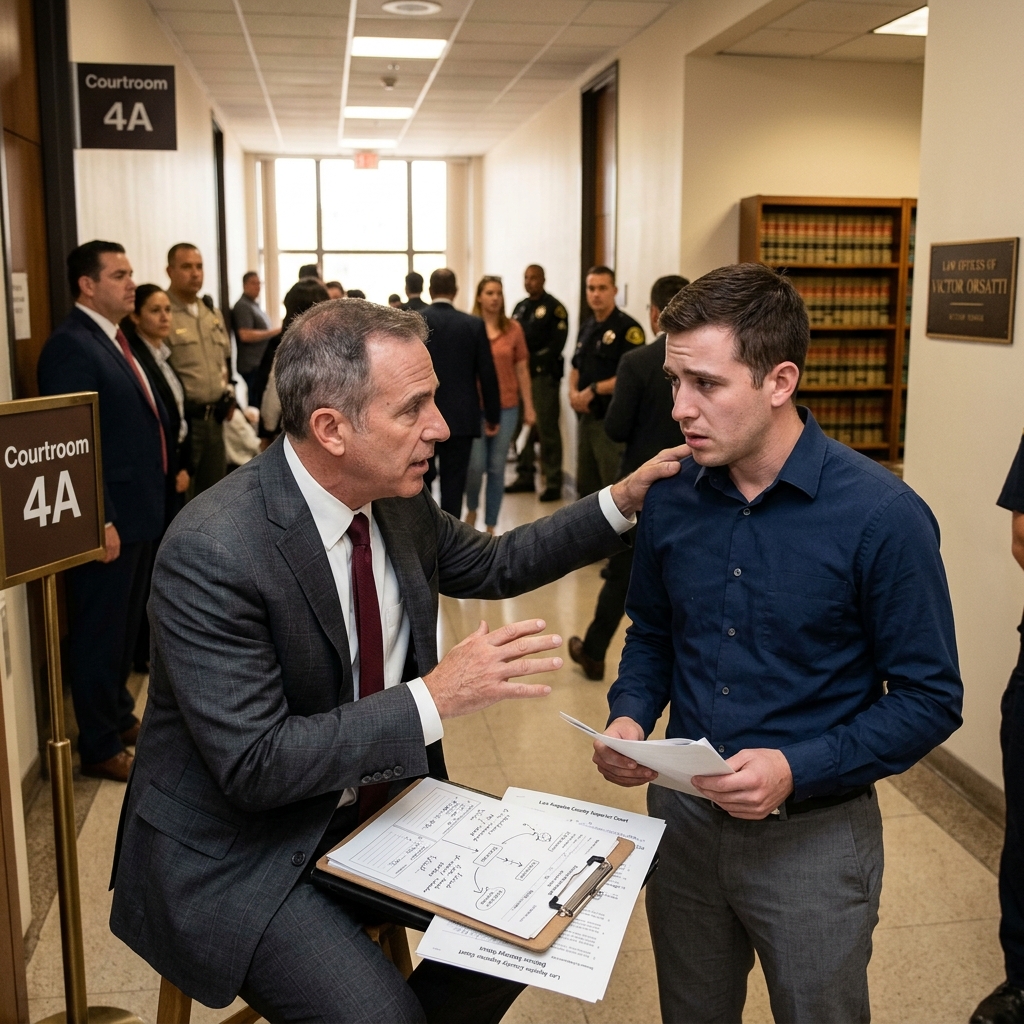
Some cases don’t resolve through negotiation. We prepare for trial with the same intensity regardless of likelihood.
Trial preparation includes:
Witness preparation: We prepare you and defense witnesses for cross-examination; prosecution witnesses are deposed
Expert witness coordination: If needed, we retain experts (medical, biomechanical, credibility analysis) to support our narrative
Evidence presentation strategy: We organize evidence for maximum impact; we prepare demonstratives that help jurors understand our position
Jury selection strategy: We identify juror profiles most favorable to reasonable doubt; jury selection is often where trials are won or lost
Closing argument preparation: We practice the narrative we’ll present to the jury, emphasizing reasonable doubt and prosecution inconsistencies
Trial is expensive and time-consuming, but sometimes it’s your best option. We’re honest about trial risk and never recommend it simply because we can conduct one. When we prepare for trial, it’s because the case facts support it.
Our 24/7 Accessibility and Flat-Fee Pricing Advantage
We understand that arrest doesn’t follow business hours. Our criminal defense attorney team maintains 24/7 availability for client consultations and emergency representation.
24/7 accessibility means:
Immediate response to police contact or arrest situations
No waiting for business hours to discuss your case
Rapid-response investigation during critical early periods
Flexible scheduling for consultations that fit your situation
Flat-fee pricing provides clarity:
Rather than hourly billing that encourages unnecessary work and creates unpredictable costs, we charge flat fees for misdemeanor assault defense. You know exactly what our services cost before committing. Payment plans are available for clients managing financial pressure following arrest.
This pricing model aligns our incentives with yours: efficient, effective resolution rather than maximum billable hours.
Next Steps: Schedule Your Free Consultation Today
If you’re facing misdemeanor assault charges in Los Angeles County or anywhere in Southern California, the first step is a confidential consultation. We provide free consultations to assess your situation, explain your options, and outline a defense strategy.
During your consultation, we’ll discuss:
The specific charges and their likely trajectory
Initial investigation findings and next steps
Defense strategies tailored to your facts
Timeline, costs, and payment options
Your concerns and priorities
Contact us today for your free consultation. Call anytime, day or night. The sooner we begin investigation, the better positioned we are to protect your rights and your future.
Frequently Asked Questions (FAQ)
What should I do immediately after being arrested for misdemeanor assault in Los Angeles County?
Contact us right away for a free 24/7 consultation so we can assess the specifics of your case before you speak with anyone else. We’ll advise you on what to say during booking, help you understand the charges you’re facing, and begin gathering critical details about the incident. The first hours after arrest are crucial, and we’re available whenever you need us to protect your rights.
How do we challenge assault allegations when the evidence seems stacked against us?
We conduct our own thorough investigation that goes beyond what prosecutors present, interviewing witnesses, examining police reports for procedural errors, and analyzing physical evidence and surveillance footage. We look for inconsistencies in witness statements, self-defense claims, and whether the alleged victim’s injuries actually match their account of events. Many cases we’ve handled had initial evidence that appeared damaging until we uncovered contradictions that shifted the entire narrative.
Can we get my assault charge reduced or dismissed before trial?
We pursue aggressive plea negotiations and charge reduction strategies with prosecutors from day one, presenting evidence of inconsistencies or weaknesses in their case to leverage better outcomes. Depending on your situation, we may successfully negotiate for lesser charges, misdemeanor-to-infraction reductions, or even dismissal. If negotiations stall, we’re fully prepared to take your case to trial, which often motivates prosecutors to offer reasonable settlement terms.