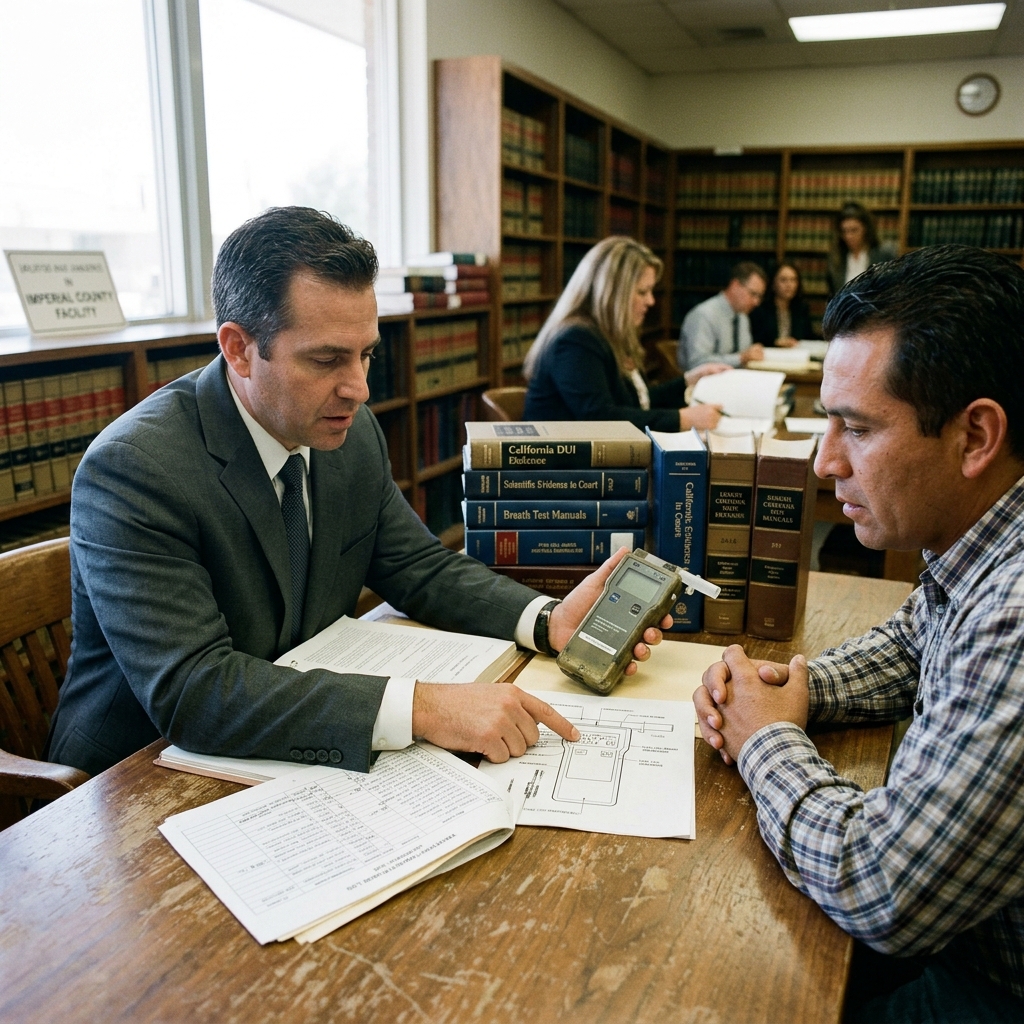
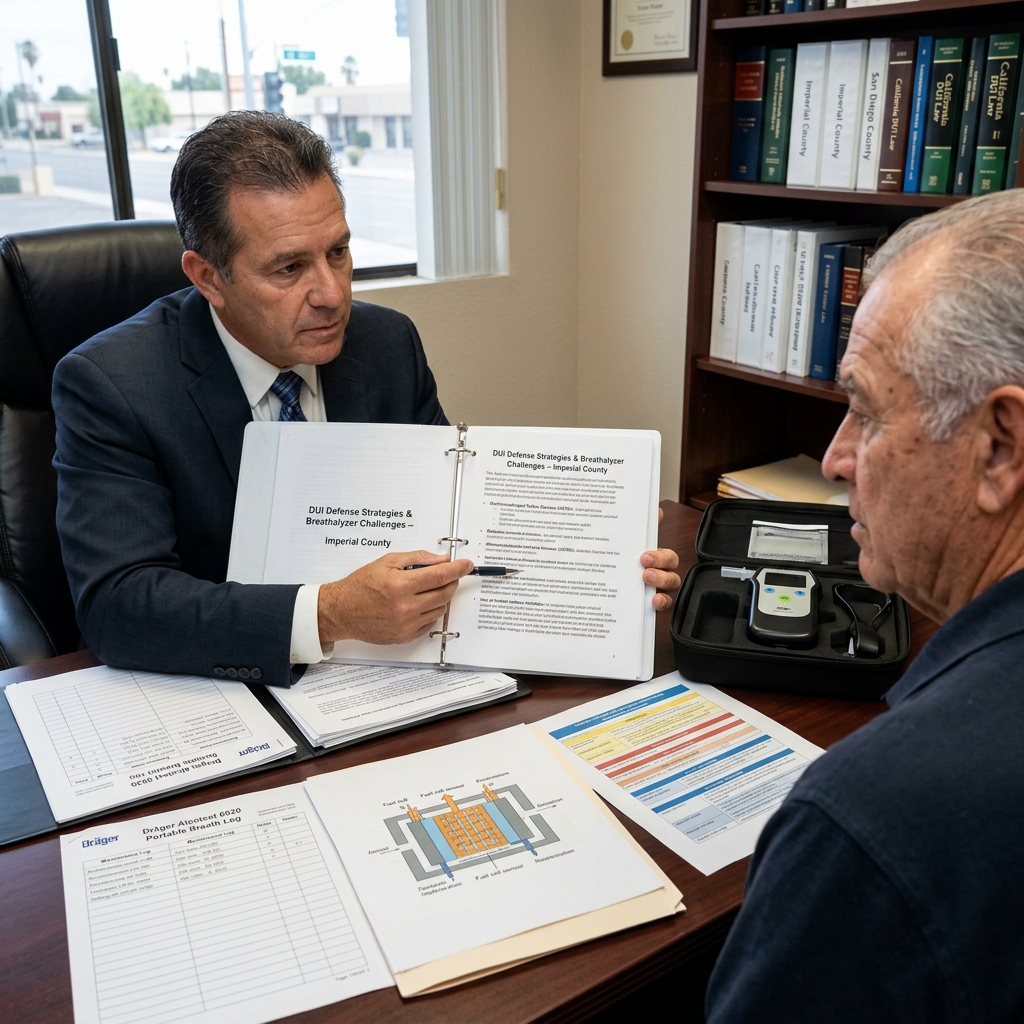
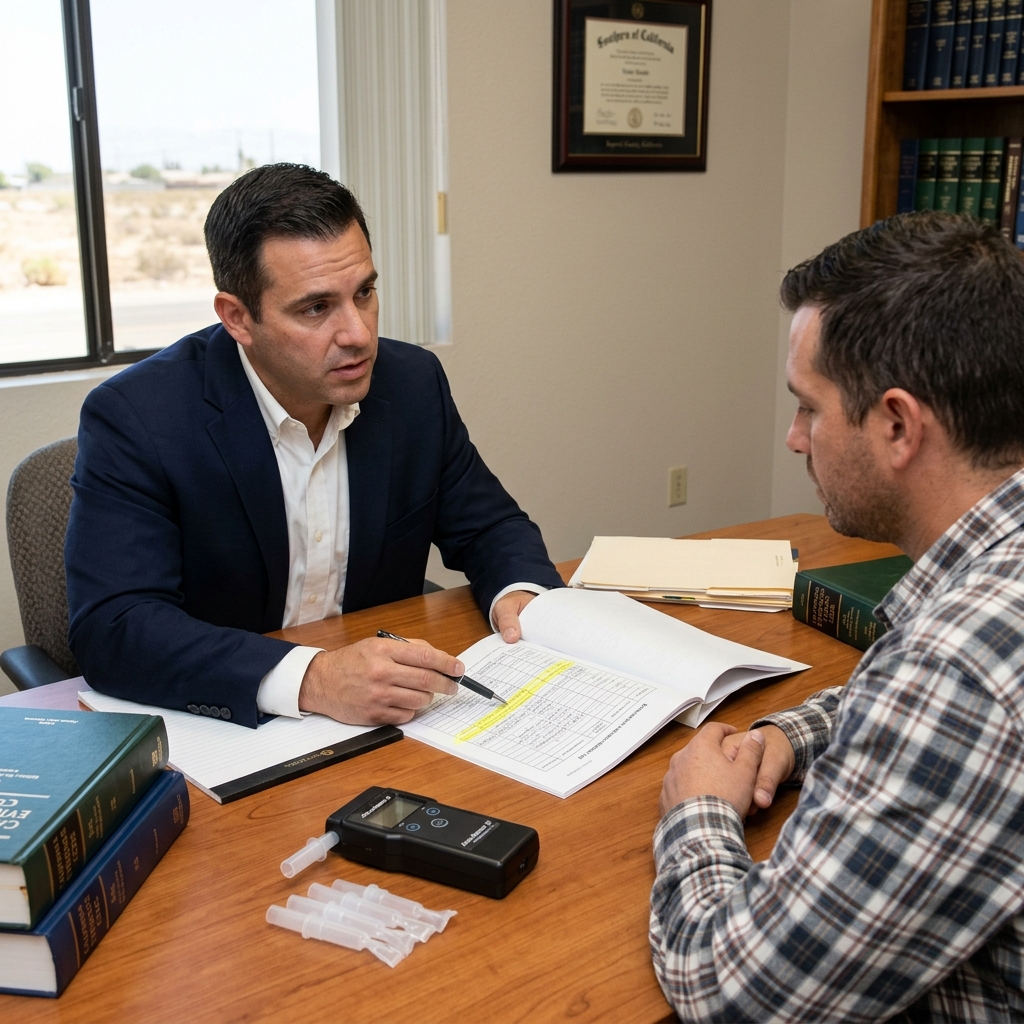
Portable breath tests (PBTs) are presented as scientific evidence, but they’re far from infallible. We’ve seen countless cases in Imperial County where defendants accepted breath test results without questioning the device’s reliability, only to face serious consequences. The reality is that these instruments fail regularly, and law enforcement officers often misuse them in ways that invalidate the results entirely.
At the Law Offices of Victor Orsatti, we’ve successfully challenged breath test evidence by exposing the technical flaws, procedural errors, and scientific limitations that undermine their accuracy. If you’re facing DUI charges based on a portable breath test, understanding how to attack this evidence is essential to protecting your freedom and your record.
Breath test evidence seems objective until you examine it closely. These devices measure alcohol concentration in your breath and extrapolate a blood alcohol content (BAC) level, but the conversion formula itself contains built-in assumptions that don’t apply equally to everyone.
The core problem: portable breath tests rely on partition ratio calculations that assume a 2100:1 ratio between breath alcohol and blood alcohol. In reality, this ratio varies significantly between individuals based on metabolism, lung capacity, breathing patterns, and other biological factors. A person with a partition ratio of 1500:1 could have an actual BAC substantially lower than what the device reports.
Additionally, these devices are notoriously sensitive to environmental interference. Mouth alcohol, residual breath contamination, and improper calibration can all skew results upward. We’ve seen cases where a defendant’s reading jumped dramatically between two tests, a red flag that something went wrong with the equipment or procedure itself.
What to do next: Request a copy of your arrest report and any breath test documentation. Note the specific device used, the test time, and any circumstances mentioned about how the test was administered.
How Portable Breath Tests Actually Work and Where They Fail
Understanding the mechanics of these devices helps explain where they break down. Most portable breath tests use fuel cell technology or infrared spectroscopy to detect alcohol molecules in breath samples.
Fuel cell devices generate an electrical current proportional to alcohol concentration. The problem: they don’t distinguish between ethanol and other alcohols. Methanol, isopropyl alcohol, or even acetone (produced during fasting or ketosis) can trigger false positives. Infrared devices measure light absorption, but they face similar specificity issues and are even more prone to environmental interference from dust, cigarette smoke, and humidity.
Both technologies require precise calibration and maintenance. A device that hasn’t been recalibrated in months will drift significantly. If the calibration log shows gaps or if maintenance records are missing, we can challenge the device’s reliability. Additionally, these devices deteriorate over time. A PBT used thousands of times since its last calibration check is essentially guess work at that point.
Most departments service their portable breath tests quarterly or annually. That’s often insufficient, especially for high-volume arrest environments like Imperial County.
Actionable step: Ask your attorney to request the device’s calibration records, maintenance history, and batch testing results from the manufacturer.
Common Calibration and Maintenance Errors That Invalidate Results
Calibration errors are one of our strongest defenses against breath test evidence. Law enforcement agencies in Imperial County are responsible for maintaining these devices, and they frequently fall short.
Here’s what typically goes wrong:
Incomplete calibration logs: Records show dates but lack documentation of actual calibration procedures or results.
Missed service intervals: Devices used far beyond recommended maintenance schedules without recalibration.
Improper calibration solutions: Using expired control solutions or solutions not matched to the specific device model.
Inadequate documentation: No photo evidence, tech signatures, or quality assurance notes.
When calibration is sloppy, the device’s margin of error can widen to plus or minus 0.05 BAC or more. For someone near the legal limit of 0.08, that’s the difference between guilt and acquittal.
We’ve obtained discovery in multiple Imperial County cases showing that the breath test device hadn’t been properly serviced in six months or longer. That alone creates reasonable doubt about the accuracy of the result.
Take action: Ask the prosecution for certified calibration records from at least 30 days before and after your arrest date.
Officer Training Deficiencies and Improper Testing Procedures
Even a properly maintained breath test device will produce unreliable results if the officer administers it incorrectly. We consistently find procedural violations during DUI stops.
Standard procedure requires:
A minimum 15-minute observation period before testing to ensure no residual mouth alcohol interferes.
Verbal instructions clearly explaining how to provide a proper breath sample.
Two separate breath samples, with results within 0.02 of each other (if they differ more, the test is supposed to be rejected).
Proper documentation of all observations and testing steps.
In practice, we’ve seen officers skip the observation period entirely, administer tests back-to-back without proper breaks, or fail to document that two separate samples were taken. If the officer didn’t follow these steps, the test results are compromised.
One common mistake: officers often don’t receive regular refresher training on breath test administration. Their certification may be current, but their actual procedures may drift from standards. We investigate whether the administering officer completed required training renewal within the required timeframe.
Next step: Review your arrest video footage (if available) to verify the officer’s procedures matched required protocols.
Medical Conditions and Substances That Skew Readings
Your physiology can produce a false high reading independent of alcohol consumption. This is one of the most powerful defenses we use in Imperial County DUI cases.
Several medical conditions elevate breath alcohol readings:
Diabetes and ketosis: Diabetics and those fasting produce acetone on their breath, which some devices mistake for ethanol.
GERD and acid reflux: Stomach acid vapors can contain alcohol residue that inflates breath test results.
Liver disease: Impaired metabolism affects how breath readings correlate to actual blood alcohol.
Autobrewery syndrome: A rare condition where carbohydrates ferment in the gut, producing endogenous alcohol.
Additionally, certain substances and situations create false positives:
Mouthwash or breath spray: Used minutes before testing, these products contain high alcohol concentrations.
Cough syrup or medications: Many over-the-counter medications contain alcohol.
Mouth wounds or dental work: Recent bleeding in the mouth can introduce blood alcohol into breath samples.
If you had any of these conditions or circumstances present during your test, we can argue that the reading doesn’t reflect your actual BAC.
Action item: Document any medical conditions, medications, or substances you consumed or used on the day of your arrest. Bring this information to your consultation.
Your Right to Expert Analysis and Independent Testing
You have the right to challenge breath test evidence through expert testimony and your own independent testing. In Imperial County court, we routinely hire certified forensic toxicologists and breath test equipment specialists to examine the reliability of the device and procedures used against you.
An independent expert can:
Review calibration records and identify maintenance gaps.
Analyze the specific device model’s known defects or limitations.
Evaluate the officer’s administration procedures against state standards.
Conduct partition ratio analysis based on your specific physiology and circumstances.
Testify about the scientific limitations of breath testing technology.
If a blood test was drawn after the breath test, you have the right to request independent analysis of that sample as well. Sometimes the blood test results don’t align with the breath test, creating reasonable doubt about device accuracy.
This expert testimony is often the pivotal evidence that turns a case. A credible expert explaining the device’s limitations to a judge can undermine the prosecution’s entire case.
What to do now: During your free consultation with our firm, discuss whether your case warrants expert analysis and testing.
How We Challenge Breath Test Evidence in Imperial County Court
Our approach to challenging breath test evidence is systematic and thorough. We don’t simply accept the prosecution’s presentation of the device as reliable scientific evidence.
First, we file discovery motions to obtain:
Complete calibration and maintenance records for the specific device.
Training and certification records for the administering officer.
The officer’s body camera or dash camera footage.
Quality assurance logs and batch test results.
The device manufacturer’s documentation and known defect reports.
Next, we conduct a Daubert challenge if appropriate, questioning whether the breath test evidence meets legal standards for scientific reliability. This motion can exclude the evidence entirely if we demonstrate the methodology is fundamentally flawed or the device wasn’t properly maintained.
During trial preparation, we cross-examine the officer on procedure, training, and the device’s limitations. We present our expert witness to testify about the unreliability of portable breath tests generally and the specific defects in your case.
In many Imperial County cases, we’ve successfully argued that the breath test result should be excluded entirely, forcing the prosecution to pursue other evidence or dismiss charges.
Your role: Provide us with detailed information about your arrest, any symptoms you experienced, and your medical history. This information directly supports our challenge strategy.
Building a Winning Defense Strategy Around Test Flaws
A successful defense doesn’t rely on breath test challenges alone. We layer multiple arguments to create reasonable doubt and weaken the prosecution’s case.
Here’s our integrated approach:
Challenge the device: Establish calibration or maintenance defects.
Challenge the procedure: Show the officer didn’t follow proper protocols.
Challenge the physiology: Introduce medical or situational factors affecting the reading.
Challenge the extrapolation: Question whether breath alcohol accurately reflects blood alcohol in your specific case.
Introduce alternative evidence: Present witness testimony, field sobriety test analysis, or your medical records.
We also evaluate whether the prosecution has independent evidence of impairment beyond the breath test. If the breath test is their primary evidence, removing it weakens their case dramatically.
Some cases settle for reduced charges once the prosecution realizes we can effectively dismantle their breath test evidence. Others proceed to trial where our expert and procedural arguments convince a judge or jury of reasonable doubt.
Immediate action: Contact us for a DUI defense attorney San Diego consultation. We’ll evaluate your specific breath test and outline exactly how we’ll challenge it.
Protecting Your Record While We Fight Your Charges
While we challenge your breath test evidence, we’re also working toward outcomes that protect your record and livelihood. A criminal conviction can derail employment, professional licenses, and housing applications indefinitely.
Our strategies include:
Dismissal: If we successfully exclude the breath test evidence, the prosecution may lack sufficient evidence for conviction.
Acquittal: Trial victory based on reasonable doubt created by challenging the breath test.
Reduction to misdemeanor: Negotiating a lesser charge that carries fewer long-term consequences.
Diversion programs: For eligible defendants, completing a program that results in charge dismissal.
Once charges are resolved favorably, we can pursue record expungement under California law. An expunged record doesn’t appear on background checks for most purposes, protecting your employment and housing prospects.
We also address probation violations, license suspension appeals, and other collateral consequences of DUI charges. Our goal is restoring your life to the point before the arrest disrupted it.
Next step: Schedule your free 24/7 consultation with us today. We serve Imperial County and throughout Southern California, including San Diego, Orange, Riverside, and San Bernardino Counties. We explain your options, outline our defense strategy, and discuss flexible payment plans designed for your situation.
Your breath test result isn’t the final word in your case. With the right legal strategy and expert analysis, you can challenge this evidence effectively and protect your future.
Frequently Asked Questions (FAQ)
What makes portable breath tests unreliable in DUI cases?
We’ve found that portable breath tests fail for several critical reasons. These devices require precise calibration and maintenance that many law enforcement agencies neglect, and they’re highly susceptible to interference from mouth alcohol, medical conditions like acid reflux, and even certain medications. We challenge these results by examining maintenance records, calibration logs, and the specific officer’s training to expose the gaps in how the test was administered and maintained.
Can we request an independent breath test if I've already taken one?
Yes, we can pursue independent testing as part of your defense strategy. California law provides you the right to obtain your own chemical test results, and we use this to compare against the prosecution’s evidence and identify discrepancies. If the prosecution refuses this right or fails to preserve breath samples properly, we can use those violations to challenge the admissibility of their results in court.
How do we build a defense around breath test errors in Imperial County?
We start by obtaining the specific device’s maintenance and calibration records, the administering officer’s certification and training documents, and details about any medical conditions or substances you were exposed to that day. Our approach combines expert analysis of the equipment’s reliability with testimony about procedural failures, and we present this evidence to demonstrate reasonable doubt about the accuracy of your results.