The Critical Moment: Understanding Your Probation Violation Risk
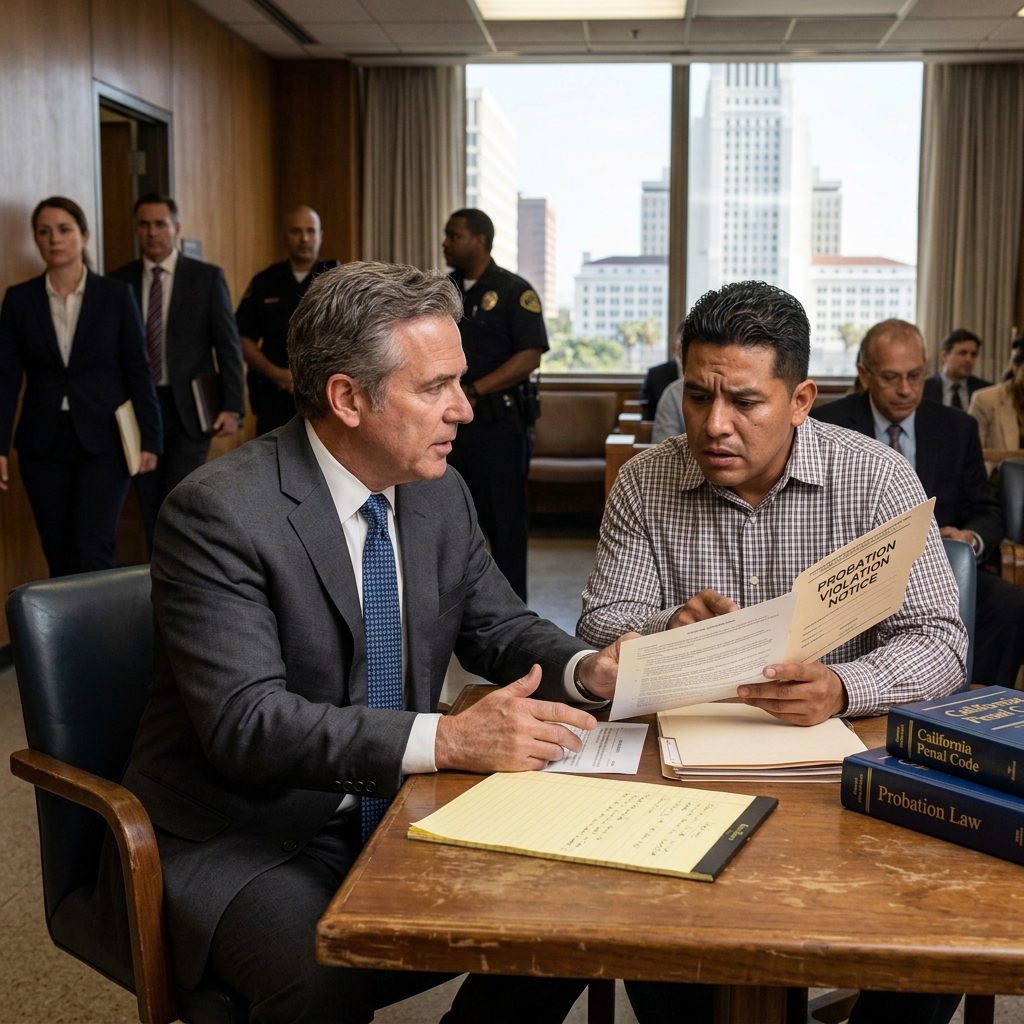
A probation violation notice changes everything. Suddenly, the agreement you thought protected your freedom becomes a threat. At the Law Offices of Victor Orsatti, we’ve defended hundreds of clients across Southern California facing this exact crossroads, and we know that outcomes depend entirely on how quickly and strategically you respond.
This guide walks you through what probation violations actually mean, why skilled negotiation matters, and how we secure reduced penalties for our clients.
Probation violations don’t follow a standard playbook. You might have missed a meeting with your probation officer, tested positive for a substance, moved without approval, or been arrested on a new charge. Each scenario carries different consequences, but they all trigger the same basic process: the probation department files a report, a hearing is scheduled, and the judge decides whether to reinstate your original sentence, modify conditions, or increase penalties.
The critical window is right now, before that hearing. Once you’re in front of a judge without preparation, your options narrow. We’ve seen clients lose years of freedom because they didn’t understand the leverage available during the pre-hearing phase.
Your immediate action: Contact us for a free 24/7 consultation to review the specific violation allegation and understand what you’re actually facing.
Why Probation Violations Escalate Without Expert Defense
Many clients make a core mistake: they assume probation violations are routine administrative matters. This assumption costs them dearly. Judges have broad discretion in violation hearings, and prosecutors approach these cases knowing most defendants lack adequate representation or understanding of the negotiation process.
Without strategic defense, here’s what typically happens:
Your probation officer’s report becomes the default narrative
Prosecutors frame every violation as evidence of non-compliance or unreliability
The court sees no reason to modify conditions rather than enforce the original sentence
Incarceration becomes the default outcome
We’ve represented clients where a single missed appointment or miscommunication with a probation officer led to recommendations for months of jail time, simply because no one pushed back with documented evidence or alternative explanations. The probation system itself doesn’t require the same burden of proof that criminal trials do. A violation hearing operates on a lower standard, which is exactly why preparation and negotiation before the hearing are so powerful.
How We Identify Negotiation Opportunities Others Miss
When you walk into our office with a violation notice, we don’t see a closed case. We see negotiation opportunities that the probation department may not have fully documented and that prosecutors haven’t yet formalized into their position.
Our first move is always a thorough review of your probation terms, the violation allegation, and the probation officer’s report. We ask detailed questions:
Was the violation technical (a rule broken) or substantive (a new criminal act)?
Did miscommunication play a role in the alleged violation?
Are there documented circumstances that explain the violation?
Has your overall compliance record been strong before this incident?
Did the probation officer follow proper procedures in documenting the violation?
These details become leverage. A technical violation (like arriving five minutes late to a meeting) gets treated very differently than a new arrest. A client with eighteen months of perfect compliance before one misstep carries more weight than a pattern of repeated issues. A probation officer’s procedural error can undermine their entire case.
We also look for what prosecutors need. If you cooperate early, acknowledge the violation candidly, and propose concrete solutions, you move from looking like a liability to looking like someone worth working with. That shift in perception translates directly to better terms.
Our Strategic Approach to Penalty Reduction
Reducing penalties starts with positioning. We don’t minimize violations or make excuses. Instead, we reframe the narrative around accountability, context, and forward progress.
Our strategy typically involves several concurrent moves:
Build your compliance record. Before the hearing, we gather documentation of every positive step you’ve taken: employment records, treatment completion certificates, counseling attendance, family support letters, community involvement. This tells the judge a different story than the violation alone.
Identify extenuating factors. Maybe you missed an appointment because of a legitimate emergency, or tested positive because of a medication interaction you didn’t understand. Maybe the probation officer gave you conflicting instructions. We document these details and prepare them for presentation.
Propose concrete alternatives. Rather than simply argue against increased penalties, we come prepared with solutions: additional counseling, modified check-in schedules, work-study options, electronic monitoring, or other alternatives that address the underlying concern while keeping you in the community.
Negotiate directly with prosecutors. Before the hearing, we contact the district attorney’s office and present our case for reduced or modified consequences. Many prosecutors will agree to recommend lighter penalties if we can demonstrate good faith effort and minimize future risk.
Case Evaluation and Documentation Review Process
We treat every violation case like a full defense matter because the stakes are identical. Our case evaluation includes:
Detailed violation analysis. We identify whether the alleged violation is actually supported by the evidence, whether procedures were followed correctly, and what the probation officer’s underlying concerns really are.
Criminal history review. We examine your entire case file, including the original sentencing and any prior violations, to understand how the judge previously viewed your circumstances.
Probation terms audit. We make sure the terms you were supposed to follow were actually clear and reasonable. We’ve found cases where probation officers gave conflicting instructions or assigned impossible conditions.
Evidence gathering. We collect employment records, treatment documentation, family support letters, character references, and any other materials that demonstrate compliance efforts and personal stability.
This documentation process is crucial. It transforms your case from a he-said-she-said hearing into a documented presentation that prosecutors and judges take seriously.
Direct Negotiation with Prosecutors and the Court
Negotiation happens before the violation hearing, when prosecutors haven’t yet taken a public position and the judge hasn’t yet ruled. This is where expert criminal defense makes its largest impact.
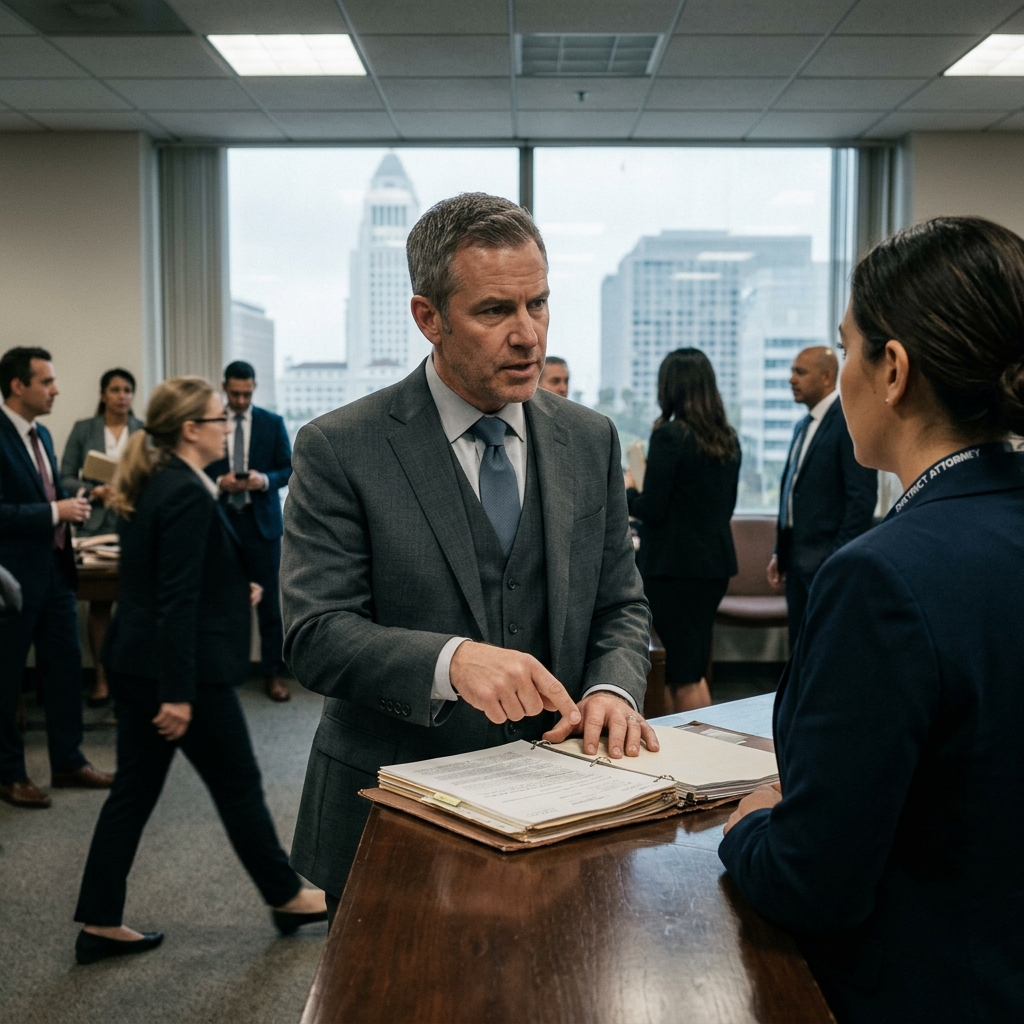
We contact the district attorney’s office directly and present your case: the violation details, your compliance history, the extenuating circumstances, and our proposed resolution. We ask what would make them comfortable recommending modified consequences rather than enforcement of the original sentence.
Many prosecutors respond positively to this approach. They’re managing heavy caseloads and aren’t personally invested in maximum penalties for technical violations or first-time issues. If we can show them that you’re committed to compliance and that modified conditions make sense, they often agree to recommend lighter terms or conditional continuance rather than incarceration.
For substance-related violations, we explore diversion into treatment programs. For employment-related issues, we discuss probation modifications that account for your work schedule. For technical violations, we emphasize your overall compliance record and propose solutions that prevent future issues.
Alternative Sentencing Options We Secure for Clients
When negotiation succeeds, the outcomes are often quite different from what clients feared. Rather than serving months in county jail, we’ve secured outcomes including:
Continued probation with modified conditions and no incarceration
Conditional discharge allowing you to return to probation after completing specific programs
Work-study programs replacing jail time
Electronic monitoring in place of facility incarceration
Extended probation periods with reduced monthly reporting requirements
Treatment-focused sentences that address underlying issues rather than purely punitive responses
Restitution or community service in place of incarceration
The specific options depend on your violation, your history, and what the court and prosecutors will agree to. But without negotiation, you never have access to these alternatives. They only exist when someone makes the case for them.
Timeline and Expectations Throughout the Defense Process
Probation violation cases move quickly, but rarely as quickly as clients hope. Here’s what to expect:
Immediate (Days 1-3). You contact us, we review your violation notice, and we begin gathering documentation. We assess the severity and scope of what you’re facing.
Pre-hearing phase (Days 4-21). We complete our case evaluation, gather supporting documents, and begin prosecutor negotiations. Most probation hearings are scheduled within 14-21 days of the violation report. This window is critical.
Negotiation (Days 10-18). We present your case to the district attorney’s office and begin discussing resolution. We also prepare your appearance for the hearing, including presentation strategy and any testimony you may give.
Hearing preparation (Days 18-hearing date). We finalize our documentation package, prepare witnesses if needed, and brief you thoroughly on hearing procedures and what to expect.
Post-hearing. If the judge rules in your favor, we ensure compliance with any modified conditions. If the outcome is less favorable, we discuss appeal options or next steps.
Throughout this timeline, we maintain direct communication with you. You’re never surprised by developments or left wondering what’s happening next.
Why Our Flat-Fee Model Protects Your Financial Future
Most clients facing probation violations are already under financial strain. The cost of legal defense shouldn’t force you to choose between protecting your freedom and paying rent. That’s why we offer flat-fee probation violation defense pricing.
You know exactly what you’re paying upfront. No hidden charges emerge when the case takes longer, no billing surprises if the prosecutor is difficult to negotiate with, no discovery costs added at the end. This model protects you financially while ensuring we treat your case with the same intensity and strategic focus we’d give any matter.
We also offer flexible payment plans so the cost doesn’t force you to handle this alone or accept worse outcomes because you couldn’t afford proper representation.
Your Next Step: Schedule Your Free 24/7 Consultation
Your probation violation case is determined in days and weeks, not months. The decisions you make right now directly impact whether you remain in your community, maintain your employment, and preserve your future. Waiting for the hearing date to think about strategy is waiting too long.
We provide free 24/7 consultations to defendants across San Diego County, San Bernardino County, Orange County, Riverside County, and Imperial County. During your consultation, we’ll review your specific violation, assess your negotiation options, and explain exactly what we can do to reduce penalties.
Contact the Law Offices of Victor Orsatti today. Call us immediately or use our online consultation request form. We’re available around the clock, and your case cannot wait.
Frequently Asked Questions (FAQ)
What happens if I'm charged with a probation violation in Los Angeles?
When you face a probation violation charge, we immediately assess whether the allegations are defensible and what negotiation leverage exists with the prosecutor. Our first step is reviewing the specific violation claim against your probation terms to identify weaknesses in the prosecution’s case. We then work to position you for either dismissal, reduced penalties, or alternative sentencing that keeps you out of custody.
How do we negotiate reduced penalties with the court and prosecutors?
We leverage our relationships with Los Angeles County prosecutors and judges while presenting documented evidence of your compliance efforts, employment status, and community ties. Our strategy focuses on demonstrating that incarceration isn’t necessary and proposing concrete alternatives like extended probation, community service, or modified conditions that satisfy the court’s concerns. We’ve built this negotiation approach through years of probation defense work across Southern California counties.
What's included in your flat-fee pricing for probation violation defense?
Our flat-fee model covers the complete defense process: case evaluation, documentation review, direct negotiations with prosecutors, court appearances, and exploration of alternative sentencing options. We structure this way so you never face surprise billing during what’s already a stressful situation, and you know exactly what our representation costs upfront.