1. Understanding the Difference Between Felony and Misdemeanor Charges
When you’re facing criminal charges in San Diego County, the decisions you make in the first 48 hours can shape the outcome of your entire case. Whether you’re dealing with a felony or misdemeanor, the stakes are high, and a reactive approach often leads to worse outcomes than a strategic, proactive defense. At the Law Offices of Victor Orsatti, we’ve spent years helping defendants across San Diego County navigate the criminal justice system with confidence and clarity.
This guide walks through seven essential defense strategies we use to protect our clients’ freedom, finances, and future. Each strategy builds on the previous one, creating a comprehensive approach that addresses the unique facts of your situation.
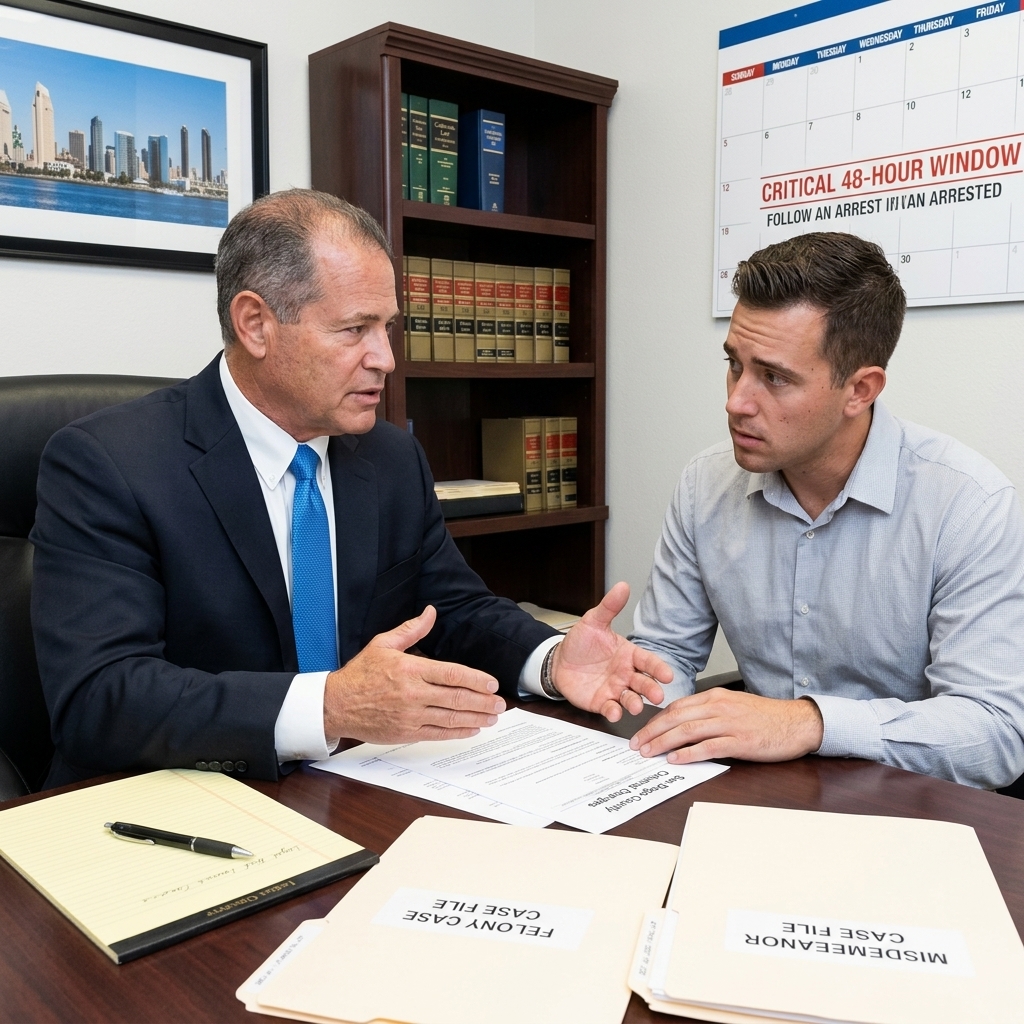
The line between a felony and misdemeanor isn’t just technical jargon, it’s the difference between potential incarceration for more than a year and exposure to jail time under 12 months. In California, this distinction determines sentencing guidelines, collateral consequences, and your available defense options.
Felonies carry more severe penalties and create lasting barriers to employment, housing, and professional licensing. A misdemeanor conviction, while serious, typically allows faster resolution and fewer long-term consequences if handled well. However, some charges can be “wobbler” offenses, meaning they can be charged as either felony or misdemeanor depending on prosecutorial discretion and case facts.
Understanding which category your charge falls into shapes everything we do next. If you’re facing a felony defense lawyer situation, we immediately focus on either case dismissal or strategic negotiation to reduce it to a misdemeanor. For misdemeanor defense lawyer matters, we prioritize quick resolution without a criminal conviction on your record.
Your next step: Review your charging documents carefully. Look for the specific penal code section and sentencing exposure listed. That number tells us whether we’re fighting in felony or misdemeanor court, and that changes our entire strategy.
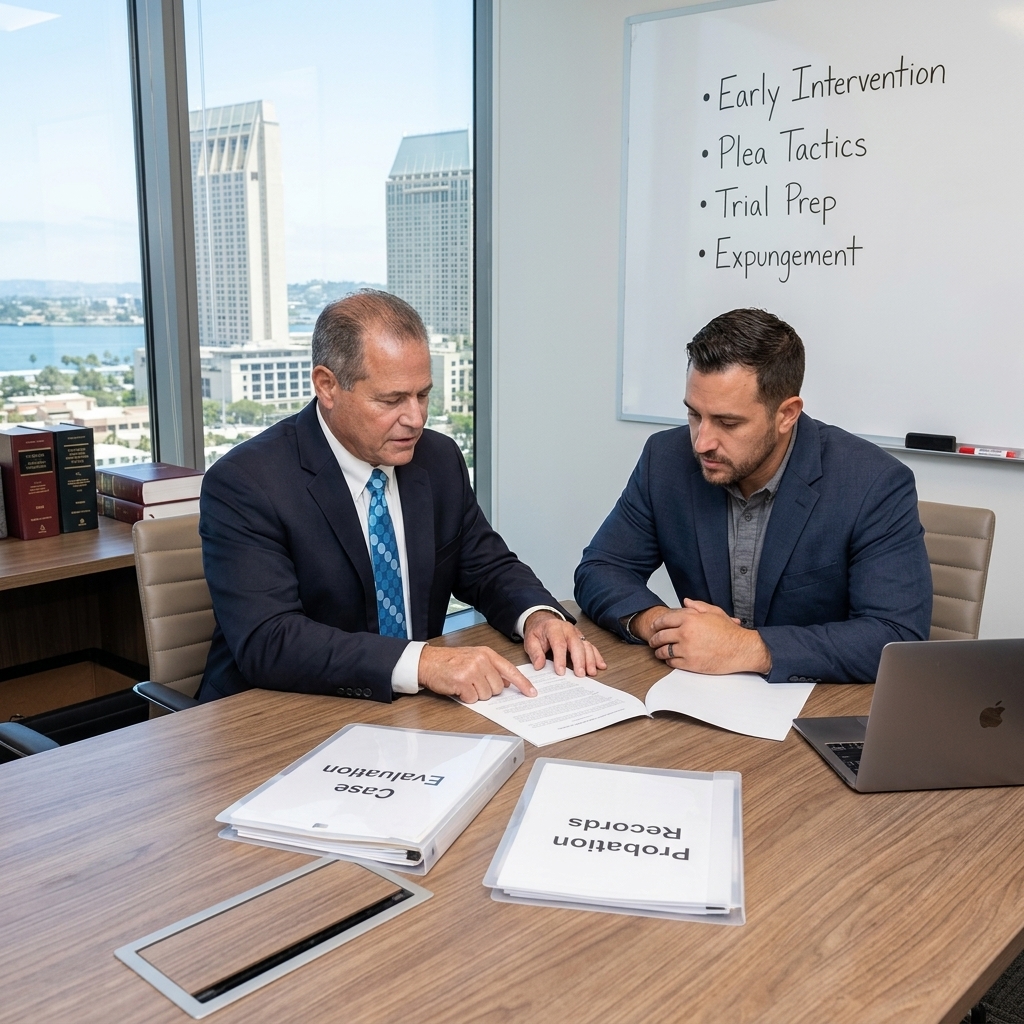
2. Early Intervention and Case Evaluation Strategies
Most defendants don’t realize their case is won or lost before the trial even begins. The critical window is those first few days after arrest or citation. Waiting to “see what happens” is the most expensive mistake we see clients make.
Early intervention means we immediately request police reports, dispatch records, and witness statements while memory is fresh and before evidence can be lost or destroyed. We evaluate prosecutor files for Brady violations (evidence the state must disclose to your defense) and identify procedural errors that weaken their case. Many felony cases contain constitutional violations in the arrest or search procedures that make evidence inadmissible, but only if we catch them early.
We also assess bail and release conditions. Unreasonable bail becomes leverage in negotiations, and getting you released on your own recognizance or with a lower bail amount keeps you able to work, support family, and participate actively in your defense. A defendant in custody faces enormous pressure to accept unfavorable plea deals.
What to do: Contact us for a free 24/7 consultation within 48 hours of arrest or citation. We’ll review the charges, exposure, and immediate options. Early cases are stronger cases, and waiting costs leverage you may never get back.
3. Building a Comprehensive Defense Investigation
Prosecutors build cases on police reports, but police reports tell a one-sided story. Our investigation digs deeper to find exculpatory evidence, inconsistent witness statements, and facts that support your innocence or reduce culpability.
We conduct independent interviews with prosecution witnesses, hire expert witnesses when evidence requires technical analysis (DNA, toxicology, accident reconstruction), and file discovery motions to obtain all available police investigative materials. For cases involving surveillance footage, we identify gaps and inconsistencies in video timelines. For cases involving witnesses, we check criminal histories and bias issues that undermine credibility.
In San Diego County, the district attorney’s office and local law enforcement follow specific discovery protocols. We know those protocols inside out, and we file motions promptly when the state doesn’t comply. Non-compliance becomes a tool in your defense, sometimes leading to case dismissal or suppression of critical evidence.
Actionable takeaway: Share every detail of your version of events with us, no matter how small. Background details, contradictions in what police told you, names of people who saw what happened, and inconsistencies in the police narrative all matter. We’ll investigate the parts that help you.
4. Negotiation and Plea Bargain Tactics
Not every case goes to trial. When the evidence is strong against you, negotiating a favorable plea bargain is often the best path to minimize consequences. The key is negotiating from strength, not desperation.
We approach plea negotiations with leverage built from our investigation. If we’ve found evidence problems, inconsistent witness statements, or procedural violations, we use those to pressure the prosecutor toward a better offer. We negotiate on multiple fronts: charge reduction (felony to misdemeanor), sentencing recommendations, probation conditions, and restitution amounts.
We also evaluate what we call “lifetime consequences” versus sentence length. A misdemeanor conviction with higher probation costs less to your career and housing than a felony conviction with lower probation. We model both scenarios so you make informed decisions, not rushed ones made under pressure.
Prosecutors in San Diego County respond to preparation and credibility. When we show up with solid investigation materials and clear evidence problems, plea offers improve. When we bluff or appear unprepared, offers stay weak.
Next step: If a plea offer is on the table, bring it to us before you respond. We’ll analyze the long-term implications, compare it to trial risk, and advise whether to accept or counter-offer.
5. Trial Preparation and Courtroom Defense Techniques
Trial is our credible alternative to any plea negotiation, which is why our trial preparation is meticulous. We prepare as if every case goes to trial, even when we suspect it will settle.
We develop a coherent defense narrative, not a scattered collection of attacks on the prosecution. We prepare cross-examination questions that lock witnesses into testimony, we identify expert witness testimony that counters the state’s case, and we prepare you (if you choose to testify) with detailed practice sessions and honest feedback on how a jury will perceive you.
San Diego County jurors are sophisticated and skeptical of police overreach, but they’re also detail-oriented. We prepare visual exhibits, timelines, and demonstrative evidence that make complex facts clear and memorable. We conduct mock trials to test our approach and refine it based on feedback before we walk into the courtroom.
Takeaway: The goal isn’t just to “win” a trial; it’s to avoid trial unless the risk of conviction is low and the potential outcome is worth it. Thorough preparation often leads to better plea offers because prosecutors know we’re ready.
6. Protecting Your Criminal Record Through Expungement
A conviction doesn’t have to define your future permanently. California law allows eligible defendants to file for record expungement, which seals the conviction and allows you to answer “no” when asked about arrests or convictions (with narrow exceptions for certain professional licenses and government jobs).
Expungement is not available in every case, but it’s available in many more situations than defendants realize. We evaluate timing (some require waiting periods after probation ends), charge type (violent felonies have stricter rules), and sentence structure to determine your eligibility.
We also pursue record reduction strategies before expungement becomes possible. We petition for sentence reduction, negotiate probation termination, or seek reduction of felonies to misdemeanors, all of which improve your eligibility for expungement or reduce collateral consequences in the meantime.
What to do: If you have prior convictions, bring those records to us. We’ll evaluate whether expungement is available now and what timeline you’re looking at if it’s not yet eligible. Clearing your record transforms job prospects, housing applications, and professional opportunities.
7. Probation Violation Defense and Post-Conviction Relief
Probation violations create a secondary legal crisis. You’ve already navigated the conviction, and now a probation violation allegation puts your freedom at risk again. The burden of proof in probation hearings is lower than trial (“preponderance of the evidence,” not “beyond a reasonable doubt”), which makes aggressive defense essential.
We challenge probation violation allegations by questioning the evidence, highlighting the original sentencing judge’s intent regarding probation terms, and presenting mitigating circumstances that explain the violation without justifying it. Many violations result from probation officer discretion, not actual criminal conduct, and we push back on those aggressively.
We also explore post-conviction relief options like habeas corpus petitions, sentence reduction motions, and resentencing petitions under recent statutory changes. California’s laws have evolved significantly, and older convictions sometimes qualify for relief under newer rules.
Action item: If you’ve been cited for a probation violation or are facing revocation, contact us immediately. The timeline is tight, and early intervention dramatically improves outcomes.
—
Facing criminal charges is stressful, confusing, and isolating. You need a defense team that answers your calls at any hour, explains your options in plain English, and fights strategically for your freedom and record. The Law Offices of Victor Orsatti provides exactly that approach across San Diego County.
We offer 24/7 free consultations, affordable flat-fee pricing, and flexible payment plans because we believe solid criminal defense shouldn’t be a luxury only the wealthy can afford. We’ve spent years building relationships with San Diego County prosecutors and judges, and that credibility translates directly into better outcomes for our clients.
If you’re facing charges or probation issues in San Diego County, don’t wait. Call us today for a confidential consultation, and let’s build a defense strategy that protects what matters most to you.
Frequently Asked Questions (FAQ)
What makes your felony and misdemeanor defense approach different from a public defender's office?
We handle significantly fewer cases than public defenders, which means we dedicate substantial time to investigating your specific situation and developing a personalized strategy. Our flat-fee pricing and flexible payment plans make quality representation accessible without forcing you to rush through the legal process or compromise on the attention your case deserves.
Can we help if I'm facing a probation violation or need my record expunged?
We absolutely can. Our probation violation defense protects your freedom by challenging violations and advocating for continued release, while our expungement services help us clear or reduce your criminal record once your case resolves. Both services are crucial for rebuilding your life and employment prospects after criminal charges.
How quickly can we get started, and what happens during the initial consultation?
We offer 24/7 free consultations so you can reach us immediately, even outside standard business hours. During our initial meeting, we evaluate the specifics of your charges, explain your options across felony or misdemeanor defense pathways, and discuss our flat-fee pricing so you understand the full scope of our representation before moving forward.