

Table of Contents
- Why a Criminal Record Haunts Your Future in San Diego
- How Criminal Record Expungement Actually Works in California
- Who Qualifies for Record Expungement Under California Law
- The Expungement Process: What We Handle for You
- Felony Expungement vs. Misdemeanor Expungement Explained
- How Our Flat-Fee Approach Makes Expungement Affordable
- Common Barriers to Expungement and How We Overcome Them
- Beyond Expungement: Additional Relief Options Available
- Why San Diego Defendants Choose Our Firm for Record Clearance
- Next Steps: Starting Your Expungement Case Today
- Frequently Asked Questions (FAQ)
Why a Criminal Record Haunts Your Future in San Diego
A criminal conviction in San Diego County follows you into every job interview, housing application, and background check. We’ve represented hundreds of San Diego defendants who thought their past was permanent, only to discover that California law offers a direct path to record clearance. Whether you’re facing employment rejection in Escondido, housing denial in Chula Vista, or professional licensing barriers in Carlsbad, expungement can restore your opportunity to move forward without that conviction shadowing your future.
The impact of a criminal conviction extends far beyond the courtroom. Employers conducting background checks see your conviction immediately, and many reject applications outright before you ever have the chance to explain context or rehabilitation. Landlords use criminal history as a screening tool, making it nearly impossible to secure housing in San Diego’s competitive rental market. Professional licenses in education, healthcare, contracting, and finance often require background clearance, and a conviction can disqualify you entirely.
Even routine interactions create barriers. When you apply for a loan, the lender reviews your criminal history. Bonding companies won’t insure you for certain positions. Schools can deny you roles in youth programs. The practical reality is that a single conviction from years ago can prevent you from building the stable life you’ve worked toward since your case concluded.
This is where expungement matters. By clearing your record through California’s proven legal mechanism, you eliminate these obstacles at their source. You’re no longer required to disclose the conviction to employers in most cases. Housing applications become viable again. Professional licensing becomes possible once more.
How Criminal Record Expungement Actually Works in California
California Penal Code Section 1203.4 creates the legal foundation for expungement, though the mechanics differ based on your conviction type. When we successfully petition for expungement on your behalf, the court withdraws your guilty plea or verdict, enters a not-guilty plea, and dismisses the case. This isn’t the same as declaring innocence in a trial sense, but it’s the legal equivalent for your record and employment purposes.
The dismissed case can be sealed from public view, which means most employers and landlords won’t see it when they conduct background checks. Government agencies, law enforcement, and certain licensing boards can still access sealed records if they have legitimate investigative or regulatory reasons, but the general public cannot. For practical purposes, your record is cleared.
The process involves filing a formal petition with the court that originally handled your case, providing documentation of your conviction, and demonstrating why expungement serves justice. We handle every filing requirement, court correspondence, and procedural detail so you don’t have to navigate the court system alone.
Who Qualifies for Record Expungement Under California Law
Not every conviction qualifies for expungement, but the eligibility rules are broader than many people realize. If you completed probation successfully without violations, you’re likely eligible. If you were convicted of certain misdemeanors or felonies, California law provides pathways to relief. Even if you’re still on probation, we can petition the court to terminate your probation early so we can immediately file for expungement.
Specific disqualifications exist. Sex offenses requiring sex offender registration, crimes of violence involving serious injury, and certain serious felonies may fall outside expungement eligibility. However, we evaluate your specific charge and circumstances to identify every viable option, including whether your case might qualify under alternative relief statutes like Proposition 64 (marijuana convictions) or Senate Bill 1437 (murder convictions).
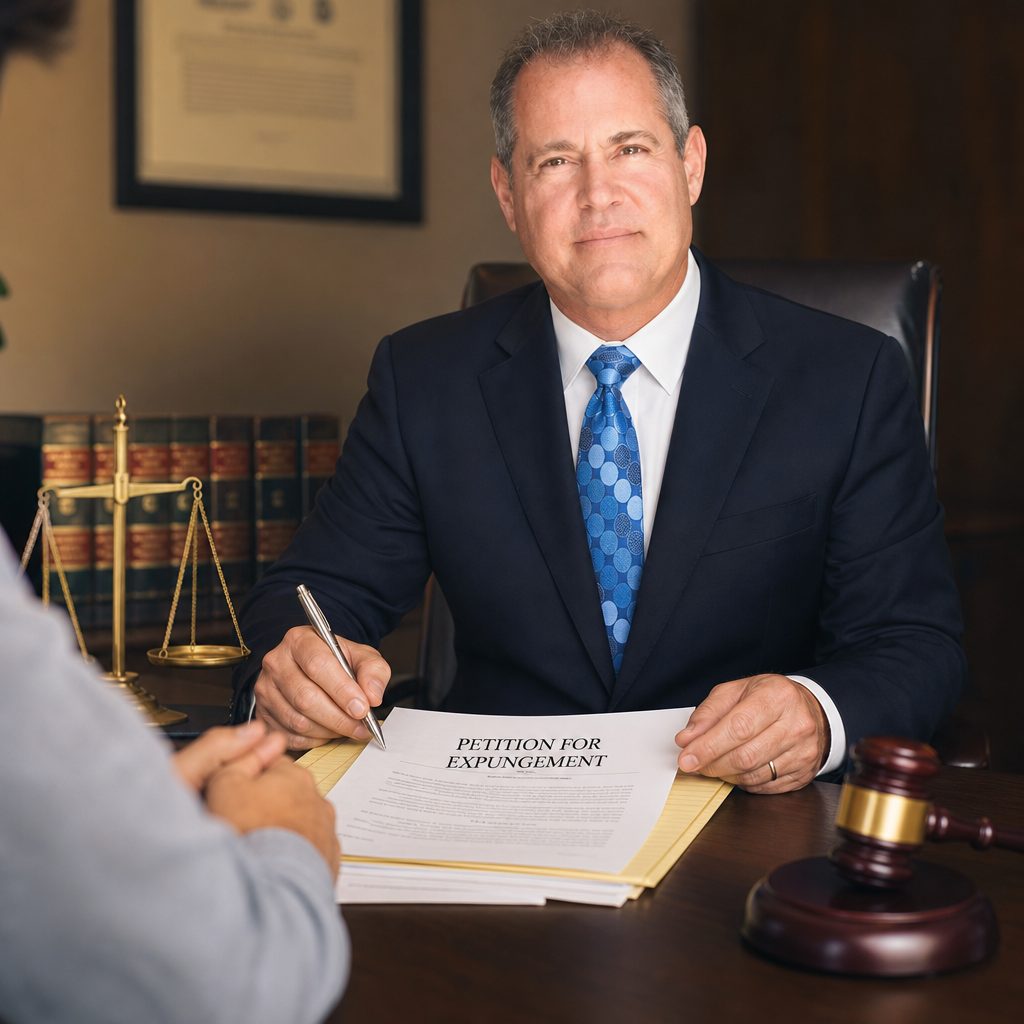
The burden is straightforward: you demonstrate that expungement is in the interests of justice. In practice, courts recognize this principle broadly when someone has completed their sentence, served probation faithfully, and shown rehabilitation. Your work history since conviction, community involvement, and time elapsed all strengthen your position.
Action item: Gather your original sentencing documents and probation completion records. These are the foundation of your petition, and having them organized accelerates our case review process.
The Expungement Process: What We Handle for You
We manage every step from initial consultation through final court order. First, we review your complete criminal history and sentencing documents to confirm eligibility and identify all charges that could be dismissed. Many defendants don’t realize they have multiple convictions on record that could all be cleared in a single petition.
Next, we draft a comprehensive petition that clearly explains your case, demonstrates your eligibility, and presents the legal argument for why expungement serves justice. We file this petition with the court and serve the District Attorney’s office. In many San Diego County cases, the DA doesn’t oppose expungement once probation is completed, which speeds the process considerably. When opposition occurs, we’re prepared to argue the petition in court, presenting evidence of your rehabilitation and the practical injustice of a permanent record.
Throughout this process, you remain informed. We explain deadlines, court requirements, and what to expect at each stage. We answer your questions directly without legal jargon that obscures meaning. When a court date is necessary, we appear on your behalf, handling all oral arguments so you don’t have to face the bench alone.
The timeline typically ranges from 60 to 90 days for unopposed petitions, though contested cases may extend longer. We work efficiently while ensuring no procedural step is overlooked.
Felony Expungement vs. Misdemeanor Expungement Explained
Felony expungement follows the same basic legal framework as misdemeanor expungement, but with additional complexity. When you’re convicted of a felony, your case involves more serious charges, potentially longer probation periods, and sometimes custodial sentences. These factors require more detailed petitions and stronger demonstration of rehabilitation.
Misdemeanor expungement typically moves faster because the underlying offense is less serious and courts view these petitions favorably. A misdemeanor conviction might come from a DUI, simple assault, or theft case where you completed probation without incident. The court recognizes that permanent record consequences outweigh any ongoing public safety interest.
With felonies, courts scrutinize rehabilitation more carefully. We document your compliance during probation, employment and community contributions since conviction, and why a permanent record creates ongoing injustice. We might present character letters, employment verification, or educational accomplishments that demonstrate meaningful change. For serious felonies, this evidentiary presentation becomes more important.
Both paths lead to the same result: a cleared record. The primary difference is the depth of evidence we compile and the persuasiveness required in the petition. Our experience with San Diego misdemeanor expungement and felony cases across San Diego County means we understand exactly what each court expects to see.
How Our Flat-Fee Approach Makes Expungement Affordable
We price expungement services with a flat fee rather than hourly billing because we understand the financial reality facing defendants who’ve already paid court fines, restitution, and legal fees. A flat fee means you know the total cost upfront with no surprise billing. Whether your petition requires minimal correspondence or extensive negotiation with the District Attorney, the price remains the same.
Our flat-fee model also aligns our incentive with yours. We’re motivated to move your case efficiently without padding hours, because we earn the same regardless of how long the process takes. This creates accountability that hourly billing doesn’t provide. We work hard to resolve your expungement quickly and correctly.

We also offer flexible payment plans so cost isn’t a barrier to representation. If you can’t pay the full fee at once, we structure payments over several months. Your criminal record shouldn’t persist because you lack cash at a single moment.
Action item: Call us for a free consultation to receive a flat-fee quote specific to your case. There’s no cost or obligation to understand your total investment in clearing your record.
Common Barriers to Expungement and How We Overcome Them
The most common barrier is incomplete probation. If you’re still serving probation, courts typically won’t grant expungement because the supervision period serves a monitoring purpose. However, we petition courts to terminate probation early, a power courts possess under Penal Code Section 1203.6. By demonstrating that you’ve fulfilled probation’s rehabilitative goals, we remove this barrier and open the path to immediate expungement.
Another frequent obstacle arises when the District Attorney opposes expungement. This doesn’t mean expungement is impossible; it means we present oral arguments before a judge who ultimately decides. We research the District Attorney’s historical positions in San Diego County courts, anticipate their arguments, and prepare evidence-based responses that directly address their concerns about public safety and fairness.
Missing court-ordered restitution payments blocks some expungement petitions. If you still owe restitution, courts may withhold expungement until you complete payment. We work with courts to establish realistic payment schedules and sometimes negotiate reduced restitution amounts when circumstances have changed since sentencing.
Finally, some defendants believe prior criminal history disqualifies them from expungement. Multiple convictions don’t prevent expungement; they simply mean we file separate petitions for each conviction. We evaluate your complete history and pursue relief on every count where California law permits it.
Beyond Expungement: Additional Relief Options Available
Expungement isn’t your only path to record relief. Senate Bill 1203.4(d), added in 2022, allows even more expungements by reducing certain felonies to misdemeanors before dismissal. This expansion catches many defendants who previously thought their felony records were permanent.
Proposition 47, passed in 2014, reduces certain drug and theft felonies to misdemeanors. If you were convicted of simple drug possession or petty theft, Prop 47 might lower your felony conviction to a misdemeanor, which is far easier to expunge and less damaging on background checks.
Marijuana convictions carry their own relief statute under Proposition 64. If you were convicted of cannabis-related offenses before California legalized marijuana, we can petition to reduce those convictions to misdemeanors or dismiss them entirely.
For some serious felonies, resentencing under Senate Bill 1437 might be available. We evaluate whether your conviction qualifies for relief under this statute and pursue it alongside or instead of traditional expungement, depending on your case.
Each of these options requires specific procedural steps and statutory compliance. We maintain current knowledge of California’s evolving expungement law and identify which relief mechanisms apply to your particular conviction.
Why San Diego Defendants Choose Our Firm for Record Clearance

We’ve handled hundreds of record expungement cases across San Diego County, from Chula Vista to Escondido, Encinitas to El Cajon. This volume of experience means we understand exactly how individual judges in each courthouse approach expungement petitions. We know which District Attorneys contest petitions and how to address their specific concerns. We recognize procedural quirks unique to each court and avoid filing errors that delay cases unnecessarily.
Over 30 years of criminal defense practice taught us that expungement is often the most important service we provide. The impact on someone’s employment prospects, housing options, and daily freedom from stigma exceeds almost any other legal relief. We approach every expungement petition with the same meticulous attention we bring to felony trial representation.
Our flat-fee pricing and flexible payment plans reflect our commitment to making expungement accessible. You shouldn’t carry a criminal record forever because cost prevented you from seeking relief. We’ve structured our practice specifically to remove that barrier.
We’re also available for immediate questions. Our 24/7 free consultation line means you can reach us anytime to ask questions about your eligibility, process expectations, and costs. We answer directly without voicemail delays.
Next Steps: Starting Your Expungement Case Today
Contact us today for a free consultation to discuss your specific conviction and expungement eligibility. Bring your sentencing documents or probation completion letter if available, though we can obtain these from the court if you don’t have copies.
During our consultation, we’ll explain exactly what expungement means for your employment prospects, housing applications, and professional licensing. We’ll identify any barriers to expungement and explain how we overcome them. We’ll provide a flat-fee quote so you understand the total cost with no surprises.
Call our office anytime at your convenience. We’re here to answer your questions and help you take the first step toward clearing your record. Your future doesn’t have to be limited by a conviction from the past.
Frequently Asked Questions (FAQ)
What does it mean to expunge a criminal record in San Diego?
When you expunge a record with us, we petition the court to dismiss your criminal case under California law. Once approved, we help you legally answer that you were never arrested for that offense, except in specific situations like jobs with government agencies or law enforcement. This gives you a genuine fresh start without the conviction haunting your employment, housing, or professional licensing opportunities.
How much does it cost to expunge a criminal record through your firm?
We charge a flat fee for expungement services, which means you know the exact cost upfront without surprise bills as your case progresses. Our pricing varies depending on whether your offense is a felony or misdemeanor, but we also offer flexible payment plans to make legal relief accessible. During your free 24/7 consultation, we’ll provide you with our exact fee and discuss payment options that work for your budget.
How long does the expungement process take after we file your petition?
The timeline typically ranges from 30 to 90 days after we submit your petition to the court, though some cases resolve faster depending on the judge’s schedule and case complexity. We handle all the paperwork, court filings, and follow-up work so you don’t have to navigate the legal system alone. We’ll keep you informed every step of the way and let you know exactly when your record is officially cleared.
Leave a Reply
You must be logged in to post a comment.