

Table of Contents
- 1. Understand Your Eligibility for Expungement
- 2. Gather Complete Documentation Before Filing
- 3. File Your Petition Immediately After Sentencing
- 4. Work with a Specialized Defense Attorney
- 5. Respond Promptly to Court Requests
- 6. Negotiate with the District Attorney Early
- 7. Leverage Prop 47 for Rapid Dismissals
- Frequently Asked Questions (FAQ)
1. Understand Your Eligibility for Expungement
Not every misdemeanor conviction qualifies for expungement in California, and understanding your specific eligibility is the foundation of a fast process. Under California Penal Code Section 1203.4, most misdemeanors are eligible for expungement after you’ve successfully completed probation or waited the required time. However, some convictions—particularly those involving sexual offenses or crimes requiring sex offender registration—face restrictions.
The key eligibility factors we evaluate are:
- Whether you completed probation or served your sentence
- The type of misdemeanor charge (some carry automatic restrictions)
- Whether you violated probation during your sentence
- Your current compliance status with any court orders
In San Diego County courts, judges look favorably on expungement petitions when the defendant has demonstrated rehabilitation. If you’re still on probation, many judges will grant early termination alongside your expungement petition, accelerating the timeline significantly.
What to do next: Pull your court documents and check your probation status. If you’ve completed probation, you’re eligible immediately. If you’re still under probation supervision, contact the probation department to confirm your compliance record, as a clean history strengthens your petition.
2. Gather Complete Documentation Before Filing
One major delay we see is incomplete or disorganized paperwork. Courts in San Diego County require specific documents, and missing even one can send your petition back for amendment. Starting with a complete file saves weeks.
Your petition packet should include:
- Original sentencing documents (minutes of sentencing)
- Probation completion certificate or current probation status documentation
- Proof of any restitution paid
- Court fees receipt
- Proof of probation compliance (if still on probation)
- Your criminal history printout from the San Diego County courts
- A detailed personal statement describing your rehabilitation
We recommend obtaining certified copies directly from the San Diego County Superior Court’s records division rather than relying on incomplete documentation from the arresting agency. Certified copies cost more upfront but eliminate rejection and resubmission delays.
What to do next: Visit the San Diego County Superior Court website and request your case file today. Request certified copies of your sentencing minutes and disposition documents. Having these ready before meeting with an attorney accelerates your filing timeline by 1-2 weeks.
3. File Your Petition Immediately After Sentencing
Timing is everything in San Diego expungement cases. The moment you become eligible, you should file. We’ve seen clients wait months or years unnecessarily, assuming there was a waiting period or required gap before filing. There isn’t one.
If you completed probation, you’re eligible to file immediately. If you’re still on probation but seeking early termination alongside expungement, file as soon as your compliance is strong and verifiable. San Diego courts process petitions filed early in your probation more favorably than those filed near the end.
The filing process itself is straightforward: your attorney submits the petition to the Superior Court, which then notifies the District Attorney’s office. The District Attorney has 30 days to respond with either support, opposition, or no position. San Diego County’s DA office typically takes 20-25 days to respond.
What to do next: If you became eligible for expungement more than a month ago, file your petition this week. Don’t wait for the “perfect time”—San Diego courts operate on published calendars, and filing now means your case reaches a judge sooner. Each week of delay pushes your case further back on the court docket.
4. Work with a Specialized Defense Attorney
This is where many defendants stumble. A general practice attorney or public defender overloaded with cases may file your expungement petition correctly but miss opportunities to negotiate faster dismissals or pursue parallel paths that accelerate your timeline. We’ve reviewed cases where clients paid for expungement work only to receive a standard petition that took eight months to resolve.
A specialized defense attorney focused on record clearance knows:
- Which San Diego County judges grant expungements most readily
- How to structure petitions to address judge preferences in your specific courthouse
- When to negotiate with the District Attorney for voluntary dismissals (which is faster than waiting for court approval)
- How to combine expungement with other record-clearing remedies like Prop 47 reductions
- Local filing procedures that avoid common rejections
Our San Diego misdemeanor defense team focuses exclusively on criminal record clearance and expungement cases. We maintain relationships with San Diego County judges and prosecutors, which translates directly to faster resolutions for our clients.
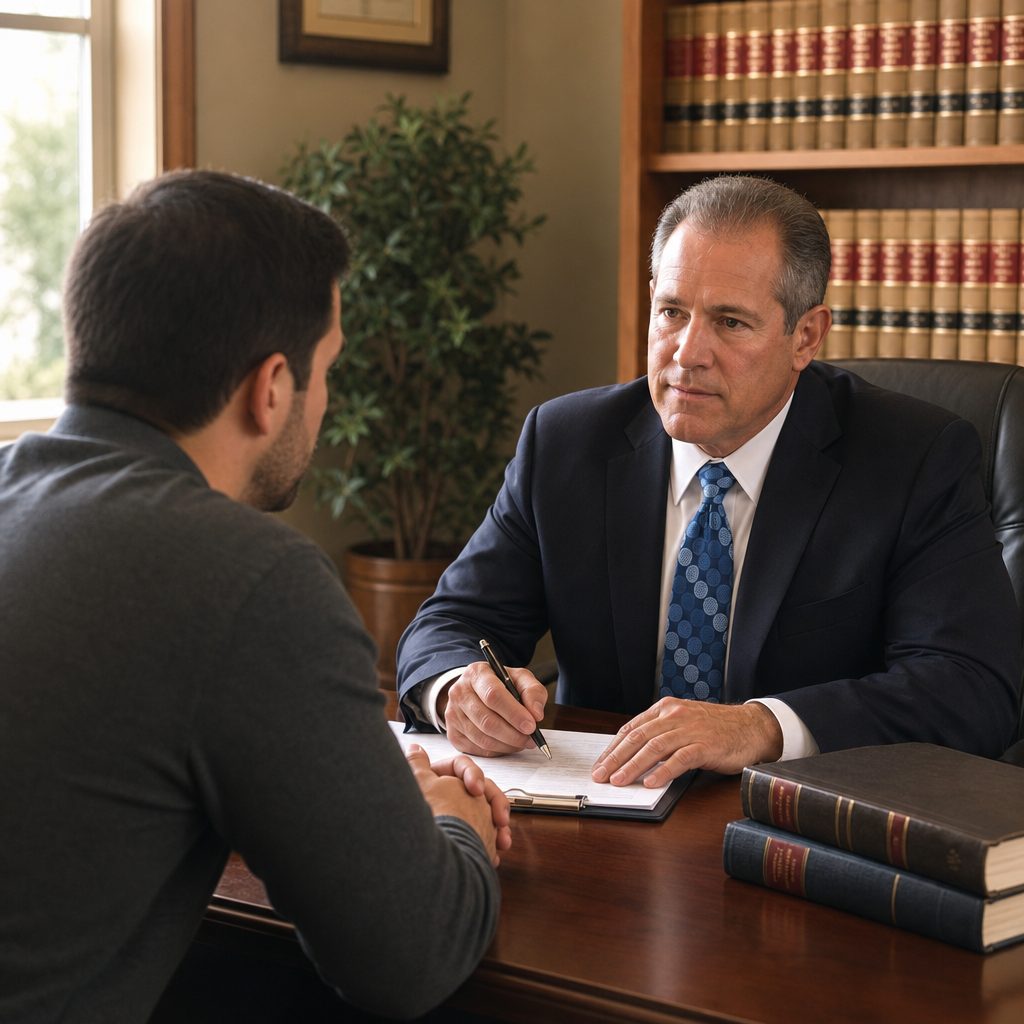
What to do next: Contact an attorney who explicitly states experience with San Diego County expungements. Ask how many cases they’ve completed in the past year and their average timeline from petition filing to final dismissal. A specialized attorney should have concrete metrics.
5. Respond Promptly to Court Requests

Once your petition is filed, the San Diego court may request clarification, additional documentation, or revised language in your petition. These requests often come through your attorney, and delays in responding push your hearing date further out. We’ve seen otherwise straightforward cases delayed by 3-4 months because clients or attorneys didn’t respond to court inquiries within 10 days.
The standard timeline looks like this:
- Day 1: Petition filed
- Day 10-15: District Attorney responds (or doesn’t object)
- Day 20-30: Court may issue requests for additional information
- Day 30-40: Response deadline (respond immediately when you receive a request)
- Day 45-60: Hearing scheduled
If the court requests something, we respond within 48 hours. San Diego County judges notice quick responses and often rule favorably on petitions where the defendant or their attorney demonstrates commitment and responsiveness.
What to do next: Set up a system with your attorney where you receive immediate notification of any court communications. If your attorney doesn’t proactively contact you within 24 hours of receiving a court request, follow up directly. Don’t assume delays are normal.
6. Negotiate with the District Attorney Early
One of the fastest paths to expungement is negotiating a voluntary dismissal with the San Diego County District Attorney’s office. This requires more than just submitting a petition and hoping for approval; it requires strategic negotiation.
When we file petitions, we simultaneously send a cover letter to the assigned prosecutor explaining:
- Your rehabilitation and changed circumstances since conviction
- Community involvement, employment, or education milestones
- Why granting expungement serves justice and protects public safety
- Specific reasons the District Attorney should support (rather than oppose) your petition
Many prosecutors in San Diego County will not object to expungement petitions if presented with compelling evidence of rehabilitation. Some will actively support dismissal, which accelerates court approval significantly. A judge almost never denies expungement when both the defense and prosecution agree.
This negotiation requires understanding each prosecutor’s office practices and which arguments resonate in San Diego County courts. Generic petitions rarely persuade. Personalized, well-researched requests do.
What to do next: Ask your attorney whether they plan to negotiate with the District Attorney or simply file and wait. If they don’t have a strategy for DA engagement, consider switching to an attorney who does. Proactive negotiation can cut your timeline in half.
7. Leverage Prop 47 for Rapid Dismissals

California Proposition 47 reduced certain misdemeanors and low-level felonies to misdemeanors and made many of them eligible for immediate dismissal rather than expungement. If your conviction qualifies under Prop 47 (typically drug possession, shoplifting, writing bad checks, or receiving stolen property), you may be eligible for dismissal rather than expungement.
Dismissals are faster because they operate under a different legal framework. Instead of waiting for a court hearing on your expungement petition, a Prop 47 reduction can be processed administratively in some cases. San Diego courts have streamlined Prop 47 procedures, and we’ve seen qualifying cases resolved in 30-45 days rather than the typical 60-90 days for standard expungement.
Check whether your specific charge falls under Prop 47 criteria. Common qualifying misdemeanors include:
- Possession of methamphetamine or cocaine
- Petty theft under $950
- Vehicle theft (non-vehicle dwellings)
- Forgery of checks under $950
- Writing bad checks
If you qualify, your attorney should file both a Prop 47 petition and a standard expungement petition simultaneously. The Prop 47 petition often resolves faster, achieving record clearance before the standard expungement petition reaches the hearing stage.
What to do next: Ask your attorney whether Prop 47 applies to your charge. If it does, ensure they file a Prop 47 petition immediately. This dual approach gives you two paths to record clearance and dramatically increases the likelihood of fast resolution.
For further reading: Expungement services San Diego.
Frequently Asked Questions (FAQ)
What makes us different when handling misdemeanor expungements in San Diego?
We focus exclusively on San Diego County cases, which means we understand the local court procedures and prosecutor tendencies that can accelerate your expungement timeline. Our team handles each case personally rather than passing you between attorneys, giving us the ability to respond quickly to court requests and negotiate directly with the District Attorney on your behalf.
How quickly can we get my misdemeanor expunged?
The timeline depends on your specific circumstances, but we’ve found that cases filed immediately after sentencing typically move faster through the system. We can often leverage Prop 47 reductions or negotiate early dismissals, which substantially shortens the process compared to waiting or handling this on your own.
Do we offer payment options that work with my budget?
Yes, we provide affordable flat-fee pricing and flexible payment plans so you’re not forced to choose between securing proper legal representation and managing your finances. We’re available for free 24/7 consultations to discuss what we can do for your situation and what investment makes sense for your case.
Leave a Reply