Why Criminal Charges Threaten Your Immigration Status
A criminal charge in Southern California carries consequences that extend far beyond the courtroom. If you’re not a U.S. citizen, even a minor conviction can trigger immigration removal proceedings, destroy your work authorization, or permanently bar you from residency. We understand this reality shapes every decision we make for immigrant clients. Your defense must account for immigration law alongside criminal law, because the stakes involve your entire life in this country.
We’ve spent years building our practice around one central principle: criminal charges and immigration status are inseparable for non-citizens. Most public defenders and many private attorneys don’t integrate immigration law into their defense strategy. That gap costs people their green cards, their jobs, and their ability to stay with their families. We handle both angles simultaneously.
Immigration law treats criminal convictions as automatic grounds for deportation or denial of benefits. The Illegal Immigration Reform and Immigrant Responsibility Act (IIRIRA) created “aggravated felony” and “crime of moral turpitude” categories that trigger immediate removal consequences. A conviction that seems minor to a criminal court can be catastrophic to an immigration judge.
Here’s the core problem: many defendants don’t realize until it’s too late that their plea deal or conviction triggers immigration consequences. A misdemeanor DUI, a theft conviction, a drug possession charge—each carries hidden deportation risk depending on your immigration status and the specifics of how the crime is charged and convicted.
The criminal justice system doesn’t automatically protect your immigration interests. Courts process convictions quickly, and most defendants are focused on minimizing jail time, not understanding collateral consequences. By the time an immigration case begins, the damage is locked in. We prevent that by treating immigration protection as part of your defense from day one.
The Deportation Consequences We Help You Avoid
Certain convictions trigger mandatory deportation proceedings. Aggravated felonies are the broadest category, including crimes of violence, trafficking, sexual abuse, and offenses with sentences of one year or more. Drug trafficking convictions, burglary convictions, and repeat theft offenses fall into this bucket. A single aggravated felony conviction gives you virtually no path to stay in the United States.
Crimes of moral turpitude create a second deportation pathway. Theft, fraud, DUI with injury, certain assault offenses, and crimes involving dishonesty fall here. One crime of moral turpitude doesn’t automatically trigger removal, but it bars most forms of relief and damages your case if immigration proceedings begin.
Beyond deportation itself, criminal convictions destroy access to protective benefits. Cancellation of removal, asylum status, VAWA protection, U-visa status, and other humanitarian reliefs all depend on maintaining a clean record or avoiding specific conviction types. We structure your defense to preserve those doors, even if criminal charges seem certain.
How Traditional Defense Falls Short for Immigrant Defendants
Illustration 1
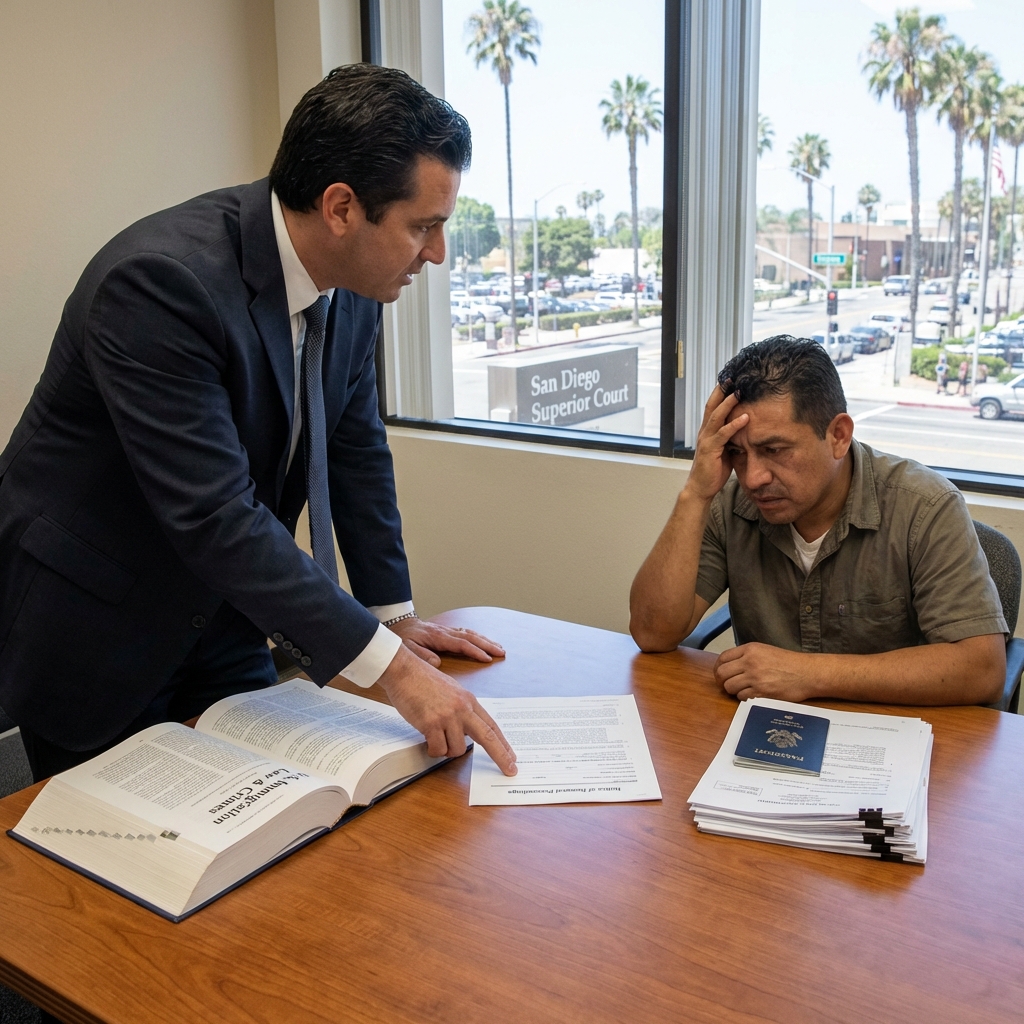
Public defenders manage massive caseloads. Many handle 400 cases per year, spending minutes on each file. They prioritize jail time and immediate sentence impact, not immigration consequences. An overworked public defender may push toward a quick plea that solves the criminal problem but destroys your immigration status. You then face removal alone, with no attorney who understands how the criminal conviction created your legal vulnerability.
Private attorneys without immigration law experience make similar mistakes. They negotiate plea deals without checking whether the crime involves moral turpitude, whether the sentence triggers deportation provisions, or whether alternative charges exist that carry less immigration risk. They close your criminal case thinking the job is done, unaware they’ve handed your immigration case to the government on a silver platter.
We approach every charge with parallel analysis. Before negotiating, we research immigration consequences of each possible plea. We identify charges that carry lower deportation risk. We propose plea structures that minimize immigration exposure while still addressing the criminal case fairly. That requires dual expertise most attorneys don’t possess.
Our Immigration-Conscious Defense Strategy
We begin every client relationship with a full immigration impact assessment. We review your entry status, current visa or green card status, prior convictions, and the specific elements of the current charge. We then map out which outcomes protect your immigration status and which create serious risk.
Next, we identify alternative charges or plea options that reduce deportation exposure. Sometimes a misdemeanor substitution for a felony charge significantly lowers immigration risk. Other times, we structure sentencing recommendations (avoiding one-year thresholds, for example) to keep certain removal grounds from applying. These moves aren’t available in every case, but they’re invisible to attorneys who don’t integrate immigration law into their defense.
We also preserve your right to post-conviction relief. If a conviction becomes removable later due to immigration law changes, or if new legal strategies emerge, expungement and conviction appeals can reopen your case. We build that foundation during the original defense.
Felony vs. Misdemeanor: What Matters for Your Immigration Status
Not all felonies create equal deportation risk, and not all misdemeanors are immigration-safe. The type of crime, the specific elements required for conviction, and the sentence all matter independently of the label.
A felony assault conviction with probation (no jail) may not trigger deportation, while a misdemeanor drug possession conviction almost certainly does. A felony theft carrying exactly one year in prison crosses an immigration threshold; a felony theft with probation only avoids it. Immigration law uses its own classification system, one that often surprises criminal defendants.
We evaluate each charge through the immigration lens. We ask: does this crime require proof of dishonesty (moral turpitude)? Does it involve violence (triggering other removal grounds)? Will the sentence exceed one year? Is the conduct related to controlled substances? Each answer shifts your risk profile. We then negotiate toward outcomes that keep you safe.
Plea Negotiations That Prioritize Your Residency
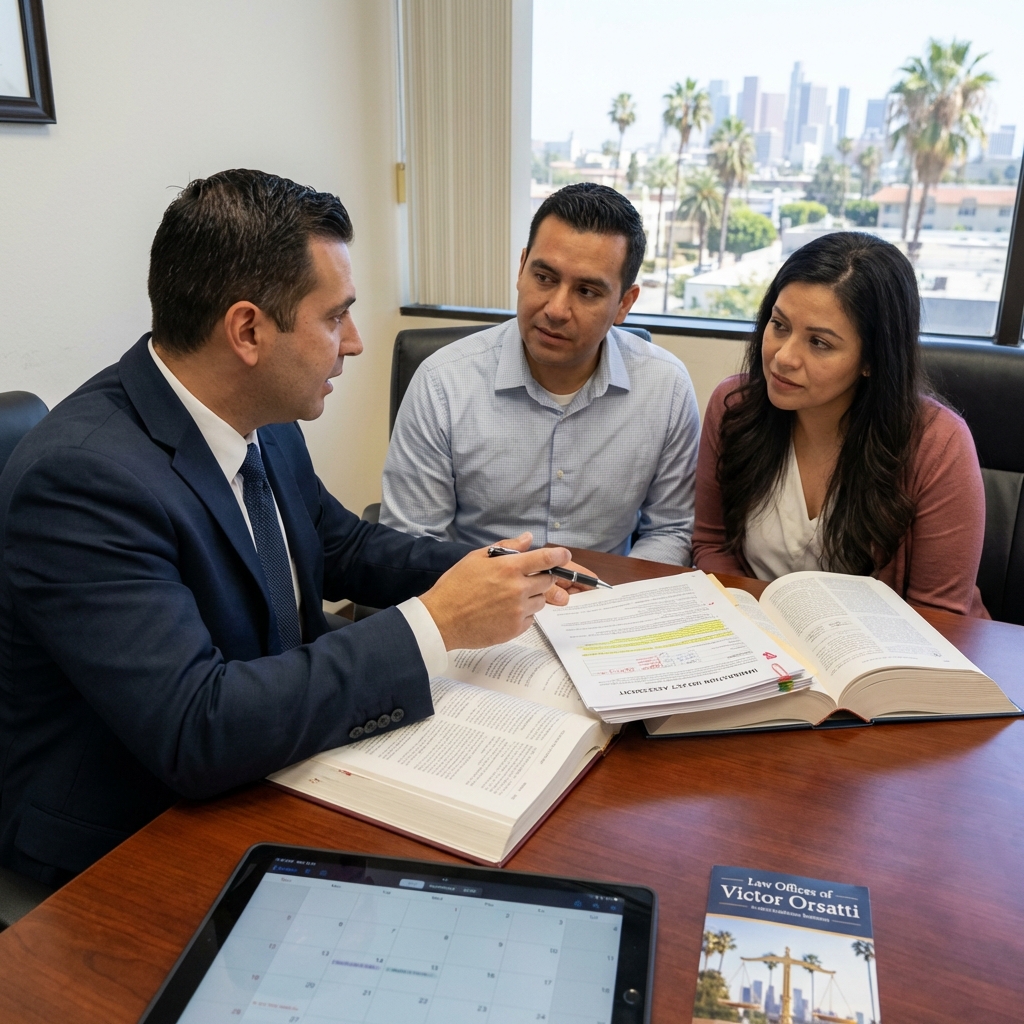
Plea negotiations are where we protect your immigration status most directly. When we enter discussions with prosecutors, we bring immigration consequence analysis with us. We explain why a particular conviction type would destroy our client’s residency, and we propose alternatives that serve the prosecution’s interests while protecting immigration status.
Sometimes prosecutors respond well to this approach. They may agree to reduce a felony to a misdemeanor, strike certain allegations, or cap the sentence below deportation thresholds. Other times, we must work harder, presenting case law and statutory analysis that shows why the proposed outcome is fair to everyone.
Illustration 2
We never pressure clients into unfavorable pleas, and we never hide immigration consequences. If the only available plea carries deportation risk, we explain that clearly and let our client make an informed choice. But often, we’ve found creative plea structures that prosecutors accept because they still serve justice and public safety.
Record Expungement as Immigration Protection
Even after criminal charges resolve, your record can haunt your immigration case. A conviction that seemed permanent might become removable under new law, or you might need to reopen your immigration status. Expungement provides a legal path to challenge the conviction itself, potentially clearing your record in immigration proceedings.
We guide clients through expungement as a post-conviction protection tool, not just a way to hide your record from employers. An expunged conviction may not appear in immigration records, opening pathways to relief that were previously closed. We file expungement motions strategically, timing them to serve your immigration timeline.
Our 24/7 Accessibility for Urgent Immigration Concerns
Immigration enforcement doesn’t wait for business hours. If you’re detained, if ICE appears at your home, or if a removal hearing is scheduled, you need immediate legal counsel. We provide 24/7 free consultations for exactly these situations. You can reach us anytime to discuss your case, your options, and your next steps.
Many clients contact us after arrest, when panic and confusion run high. We calm that chaos by explaining what’s happening and what your rights are. We coordinate with your criminal defense team, immigration counsel, and bail agents to navigate both systems simultaneously.
Probation Violations and Immigration Jeopardy
Probation is another hidden threat. A violation or alleged violation can trigger arrest, court proceedings, and exposure to additional charges. For immigrant clients, probation violations create two legal problems: you face enhanced criminal penalties, and you risk immigration proceedings based on the violation itself or the underlying probation conditions.
We represent clients through probation violation hearings with immigration consequences in mind. We challenge violations that might otherwise seem minor, because the immigration implications are substantial. We also negotiate probation terms upfront (during sentencing) to minimize conditions that immigrant clients are likely to violate due to immigration restrictions or circumstances.
Client Success: Stories from Our Southern California Practice
We’ve represented clients through these scenarios successfully. One client faced a felony theft charge carrying mandatory one-year imprisonment. We negotiated a misdemeanor substitute with probation, keeping him below the one-year threshold that would have triggered deportation. He kept his green card and his job.
Another client, a permanent resident, faced a drug possession charge. The prosecutor initially insisted on a conviction. We presented immigration consequence analysis and proposed a reduction to simple possession with probation. The client completed probation, filed for expungement after one year, and cleared his record before immigration enforcement could reach him.
A third client was detained by ICE after a DUI arrest. His criminal case hadn’t been resolved, but immigration proceedings began immediately. We coordinated his criminal defense and immigration strategy in parallel. We negotiated a favorable plea in criminal court (avoiding certain conviction elements) while simultaneously preparing his immigration defense. He avoided deportation and kept his work authorization.
Illustration 3
How We Serve All Five Counties Without Compromise
We provide immigration-conscious criminal defense across San Diego County, San Bernardino County, Orange County, Riverside County, and Imperial County. Whether your case is in downtown San Diego or the Coachella Valley, you get the same commitment to parallel immigration and criminal analysis. We don’t reduce quality based on distance or caseload.
Our network includes immigration law partners, local prosecutors we’ve built relationships with over years, and courthouse connections in every county. That infrastructure lets us move quickly, negotiate effectively, and access information other attorneys can’t reach. You benefit from that experience regardless of where your case sits.
Your Next Step: Free Consultation with Immigration-Aware Counsel
If you’re facing criminal charges and you’re not a U.S. citizen, contact us for a free consultation. We’ll review your immigration status, analyze the charges against you, and explain what outcomes protect your residency.
Call us today or use our online contact form. We’re available 24/7, and we handle cases across Southern California. Your defense strategy must account for both criminal law and immigration law, and we’re equipped to do exactly that. Don’t let a rushed public defender or an immigration-unaware private attorney destroy your status in this country. Contact the Law Offices of Victor Orsatti now.
How do criminal charges affect my immigration status if I'm not a U.S. citizen?
Certain criminal convictions can trigger deportation proceedings or make you ineligible for citizenship, even if you’ve lived here for years. We work to either reduce charges to non-deportable offenses or negotiate plea deals that protect your residency status. The specific crime matters significantly, which is why we evaluate every case through an immigration lens from day one.
What makes your criminal defense different for immigrants facing charges?
We don’t treat immigration consequences as an afterthought like many public defenders do. Our strategy starts by identifying which charges pose deportation risks, then we negotiate or litigate specifically to avoid those outcomes. We also pursue record expungement when possible to remove convictions that could harm your status later.
Can you help if I'm already in removal proceedings due to a criminal conviction?
We can challenge the original conviction through post-conviction relief and petition the immigration court to reconsider your case if the underlying criminal case changes. This requires coordinated work between us and your immigration attorney, which we actively facilitate. Contact us immediately if you’re facing removal, as timing is critical.