A felony bail decision can reshape your life in hours. Whether you remain in custody or go home to your family, maintain your job, or prepare your defense from a jail cell makes an enormous difference in the outcome of your case. The bail amount set at your initial appearance isn’t just a financial hurdle; it directly impacts your ability to work with your attorney, gather evidence, and present the strongest possible defense.
We’ve represented hundreds of defendants across Southern California who faced bail amounts they couldn’t pay. The stress of incarceration while awaiting trial compounds the legal pressure you’re already under. When you’re locked up, you lose income, risk losing employment, and struggle to participate meaningfully in your own defense. The judge’s bail decision at that first appearance sets the trajectory for months ahead.
Securing reasonable bail or release on your own recognizance requires strategy, not hope. Understanding how bail works and preparing to challenge unreasonable amounts gives you the best chance to fight your case from freedom.
Understanding How Bail Works in Felony Cases
Bail serves as a financial incentive to ensure you return to court. When a judge sets bail, they’re balancing two competing interests: the public’s safety and your constitutional right to reasonable bail. In felony cases, this process happens at your arraignment, typically within 72 hours of arrest.
In Los Angeles County and surrounding jurisdictions, judges consider several factors when setting bail amounts:
Your ties to the community (family, employment, homeownership)
Criminal history and past court appearances
The severity of the charges
Whether you pose a flight risk or danger to the community
Your financial resources
Bail isn’t a sentence or punishment. It’s not supposed to be so high that it’s impossible to pay. California law explicitly requires bail to be reasonable, yet we regularly see amounts that effectively detain people without trial. Understanding this distinction is critical because it gives you grounds to challenge excessive bail.
You have the right to bail unless the prosecution proves you’re a danger or likely to flee. That presumption starts in your favor at the initial appearance.
Common Reasons Bail Gets Denied or Set Too High
Judges deny bail or set excessive amounts for predictable reasons. Understanding these triggers helps us build a stronger case for reduction or release.
The prosecution often argues for high bail when facing serious felony charges like violent crimes, drug trafficking, or sex offenses. They present your arrest facts in the most damaging light possible, emphasizing any prior convictions or failures to appear in court. If you have a criminal history, the judge may view you as a higher risk, though prior offenses shouldn’t automatically mean unaffordable bail.
Flight risk concerns arise when you lack local ties. If you don’t own property, have family out of state, or work in unstable employment, prosecutors will argue you might flee. Immigration status can also factor in, though immigration status alone shouldn’t justify detention.
Substance abuse histories and mental health conditions sometimes lead judges to set bail higher than charges alone would warrant, though these are often pretexts for detention. The severity of the offense drives bail upward in violent cases, where judges worry about community safety.
We’ve also seen bail set excessively high simply because the public defender wasn’t there to challenge it effectively, or because the defendant didn’t have anyone present to speak on their behalf. Your first appearance is often your first chance to address bail properly.
Our Proven Strategies to Challenge Excessive Bail Amounts
We approach bail reduction with a multi-layered strategy that addresses each factor the judge considers. Our goal is getting you released on the lowest possible terms, whether that’s your own recognizance or an affordable amount.
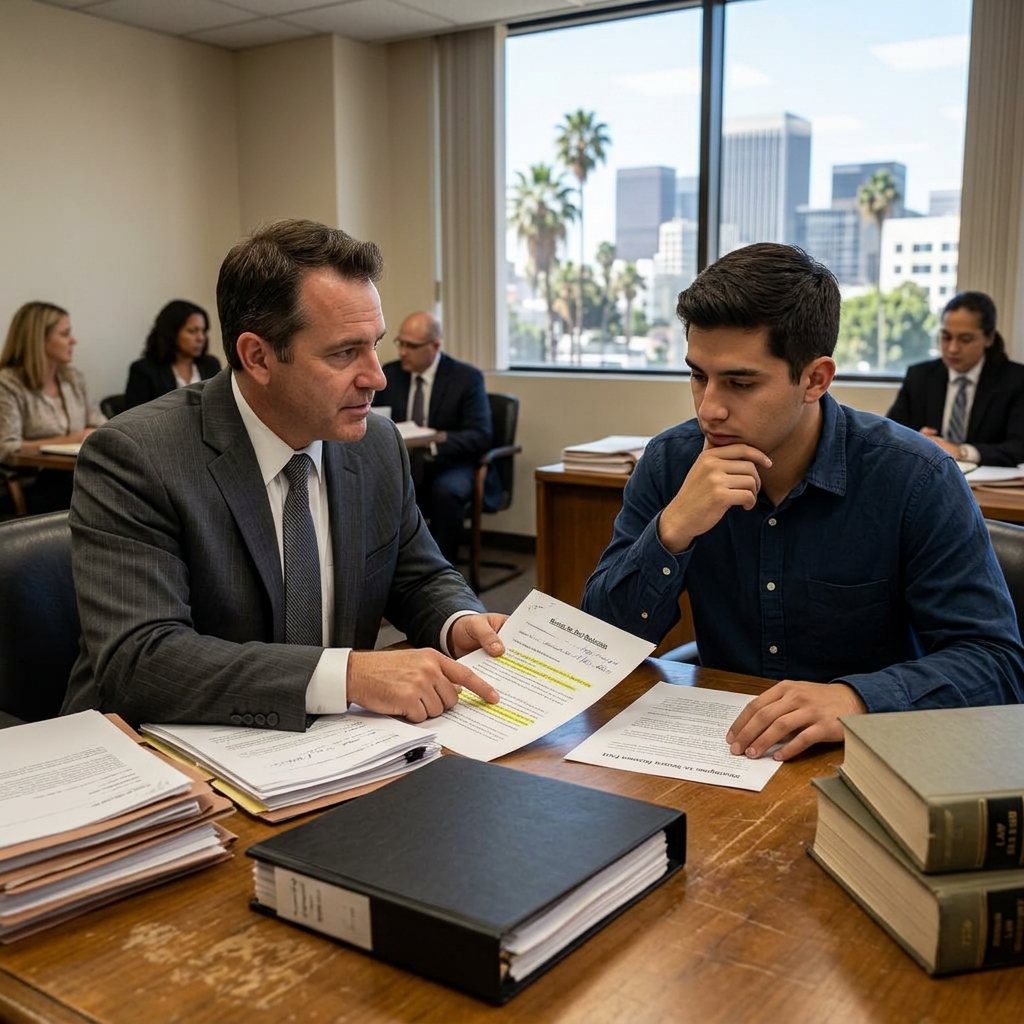
First, we gather evidence of your community ties immediately. We obtain employment letters, housing documentation, family statements, and character references that paint you as grounded and trustworthy. A letter from your employer stating you’ll keep your job if released carries real weight. Proof of stable housing matters. Character letters from respected community members, clergy, or long-term friends reinforce that you’re not a flight risk.
Second, we reframe your criminal history contextually. If you have prior convictions, we highlight how long ago they occurred and any rehabilitation since then. We present evidence of stable employment, education completed, or volunteer work that demonstrates change. Not all criminal histories carry equal weight, and how we present yours makes a difference.
Third, we challenge the prosecution’s narrative about the charges themselves. We don’t concede their version of events. In many felony cases, facts are disputed. We present our perspective on what happened, highlighting mitigating details and questioning the severity characterization. This isn’t about proving guilt or innocence yet; it’s about showing the judge the fuller picture.
We also propose bail conditions that address specific concerns. If the judge worried you’ll reoffend, we offer to surrender your passport, check in regularly, abstain from drugs or alcohol, or attend counseling. These conditions satisfy safety concerns without requiring jail.
Finally, we file motions to reconsider bail if it’s set too high initially. We present new information, changed circumstances, or legal arguments the public defender missed.
Preparing Your Bail Hearing for Maximum Impact
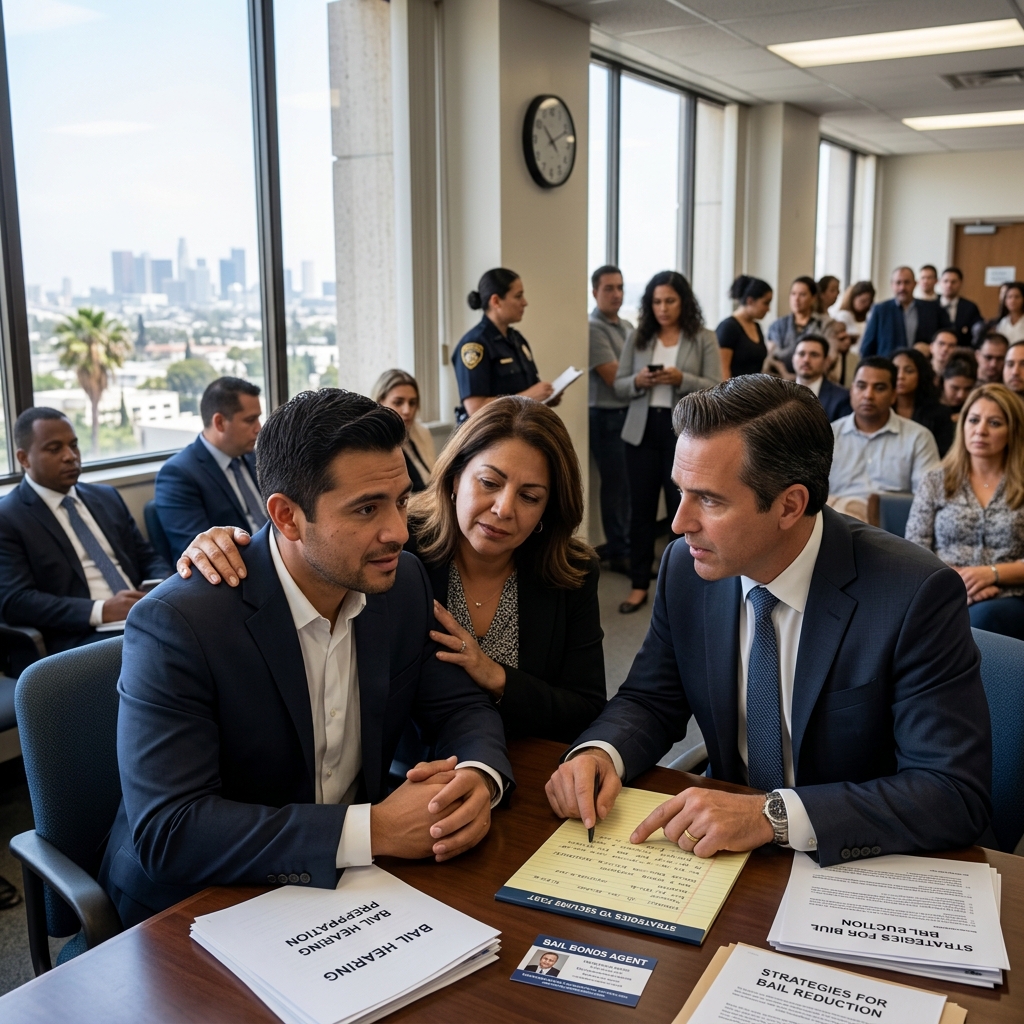
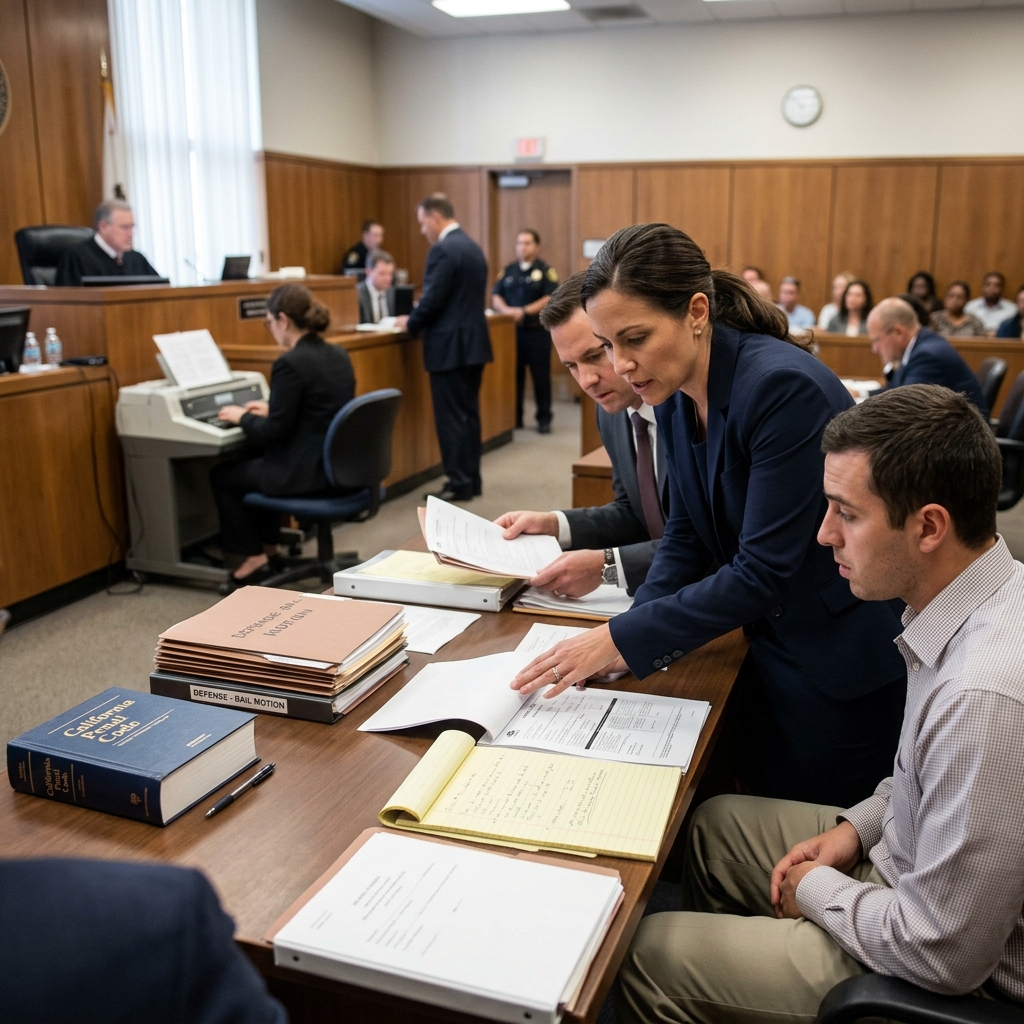
Your bail hearing, whether at your initial appearance or a later motion hearing, requires meticulous preparation. We handle the legal arguments, but you matter too. Your appearance, demeanor, and what we present about you determine the outcome.
Dress professionally and conservatively. Courts are formal environments. You’re trying to appear trustworthy and respectful of the legal process. Even if it feels artificial, first impressions influence judges.
We’ll discuss what you’ll say if the judge allows you to speak. Keep it brief, sincere, and focused on your roots in the community. Don’t volunteer information about the charges or your guilt or innocence. Don’t argue with the judge or get emotional. Many defendants hurt their own bail prospects by trying to convince the judge of innocence during a bail hearing, which isn’t the time or place.
We prepare witnesses in advance. If your employer, family member, or character reference will speak on your behalf, we coach them on what to say and how to say it. They should speak to your character and reliability, not the charges.
We organize written materials beforehand: employment verification, housing proof, character letters, medical records if relevant, and any evidence of ties to the community. The judge needs to see this documentation, not just hear about it.
Payment Plans and Affordable Bail Solutions We Offer
Many defendants we represent can’t pay bail bonds or bail amounts, even when reasonable. That’s why we work with clients on payment structures and options.
If bail is set at an amount you can’t pay immediately, we help you access bail bond services. While bail bonds typically cost 10 percent of the bail amount, they allow release without paying the full bail. We’ve developed relationships with reputable local bondsmen who offer flexible terms and understand our clients’ financial constraints.
For clients who can gather resources for bail but need time, we file motions requesting installment plans or payment schedules. Some judges will agree to staggered payments rather than lump-sum bail, making release feasible.
We also fight for own recognizance release (OR release), where you’re released on your promise to appear with no bail at all. This is always our first request. OR release is appropriate for defendants with strong community ties and no criminal history, and we argue for it aggressively.
In certain cases involving less serious felonies and strong community ties, we can negotiate with prosecutors to recommend lower bail, which influences the judge’s decision significantly. That cooperation happens during our bail negotiations before the hearing.
What Happens After You’re Released on Bail
Bail release comes with conditions. Understanding and following them is essential because violating bail conditions can result in arrest and forfeiture of your bail.
Your bail order lists specific conditions you must follow. These might include remaining in California, maintaining employment, attending all court dates, submitting to drug testing, avoiding contact with alleged victims or witnesses, or staying away from specified areas. Read the order carefully and comply completely.
Any arrest, police contact, or missed court date can trigger bail violations. Even minor violations like being ticketed for traffic offenses in some jurisdictions can result in bail being revoked. We advise clients to avoid any situation that could lead to police contact.
If your circumstances change significantly (you lose your job, your housing becomes unstable, you get sick), contact us immediately. We can file motions modifying your bail conditions or requesting continued release under adjusted terms. Don’t simply ignore the changed circumstances and hope things work out.
Keep documentation of your compliance. Attend court dates early. Maintain steady employment and housing. Following bail conditions protects your release and strengthens your case overall by demonstrating responsibility to the judge.
How We Help You Avoid Incarceration While Awaiting Trial
Beyond bail, we work strategically to keep you out of custody and positioned for the best case outcome while your case proceeds.
We file pretrial motions challenging evidence, suppressing unconstitutional searches, or attacking the charges themselves. Successful motions can reduce charges, strengthen your negotiating position, or even result in dismissal. Each success moves you closer to resolution outside a courtroom.
We engage in serious plea negotiations with the prosecution. Many felony cases resolve without trial through negotiated pleas that reduce charges, recommend probation instead of prison, or include sentencing agreements. We leverage bail compliance, community ties, and case weaknesses to negotiate favorable terms.
We gather evidence that supports your defense: witness statements, expert reports, surveillance footage, text messages, or documentation that contradicts the prosecution’s narrative. This evidence pressure often encourages better plea offers or dismissals.
We communicate regularly with probation departments and other agencies involved in your case. Building relationships and reputation as an attorney who handles cases professionally influences how your case is treated throughout the system.
We prepare you for every court appearance. You should never be surprised by what’s happening or what we’re arguing on your behalf. Our clients understand their cases inside and out.
Frequently Asked Questions About Felony Bail in Los Angeles
Q: Can I get bail reduced after it’s already been set?
Yes. We file motions for reconsideration with new evidence, changed circumstances, or legal arguments that support a reduction. Courts will reconsider bail if we present compelling reasons.
Q: What’s the difference between bail and a bond?
Bail is the amount the court sets. A bond is the contract with a bail bondsman who charges a fee (typically 10 percent) to secure your release. You pay the bond fee to the bondsman; the bondsman guarantees the full bail to the court.
Q: Will my criminal history automatically mean I stay in jail?
No. Prior convictions are one factor, but they don’t determine bail. We present context, rehabilitation, and time since convictions to mitigate their impact. Many clients with criminal histories successfully obtain reasonable bail.
Q: Can I request bail be waived entirely?
We request own recognizance release (zero bail) whenever possible. This requires showing strong community ties and reliable court appearance history. Many clients qualify for OR release with proper argument.
Q: What happens if I violate my bail conditions?
Bail can be revoked, and you’re returned to custody. Violations range from missing court dates to failing drug tests. We defend against bail violation allegations and file motions to reinstate bail if it’s revoked.
Q: How long does the bail process take?
Your initial appearance happens within 72 hours of arrest. Bail is typically set then, though we can request continuances for more preparation. Bail reduction motions can be filed anytime and are usually heard within weeks.
Q: Should I represent myself at my bail hearing?
No. Bail hearings are legal proceedings where prosecutors argue aggressively for high amounts. Having experienced counsel who understands bail law, knows local judges, and can present your case compellingly makes enormous difference.
Contact the Law Offices of Victor Orsatti for a free 24/7 consultation about your bail situation. We’re available across Southern California, including Los Angeles, San Diego, San Bernardino, Orange County, Riverside, and Imperial counties. We handle bail challenges aggressively while preparing your complete defense strategy.
Frequently Asked Questions (FAQ)
What strategies do we use to get felony bail reduced?
We challenge excessive bail amounts by presenting a strong argument about your ties to the community, employment history, and lack of flight risk. Our team gathers character references and financial documentation to demonstrate to the judge that you’re a responsible member of society who will appear for all court dates. We also highlight any mitigating factors in your case and compare your bail to similar cases to show the amount is disproportionate.
How quickly can we help you after an arrest?
We offer 24/7 free consultations, which means we’re available the moment you or your family calls us. Our goal is to get involved before your first bail hearing so we can prepare the strongest possible case for your release. Time matters in these situations, and we move fast to gather evidence and develop your bail strategy while you’re still in custody.
What happens if you can't afford bail even after we get it reduced?
We work with our clients on flexible payment plans and can connect you with bail bond options that make the cost manageable. Our affordable flat-fee pricing structure means you know exactly what you’re paying upfront without hidden costs. We understand that bail can be financially devastating, and we’re committed to helping you find solutions that work for your situation.