
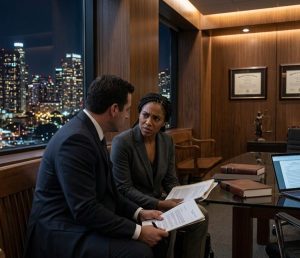
A criminal case is not locked into trial from the start. Many cases never reach that stage because early legal review can expose weak points that change everything. A criminal court lawyer in San Diego often begins by studying whether the case should have been filed at all, not just how to defend it later. Dismissal before trial depends on evidence quality, procedure accuracy, and legal strength. If any part of the foundation is unstable, the case can slow down or stop before a courtroom hearing begins. Early review is important because it helps identify problems before they grow into larger legal challenges. Many people assume every charge must lead to a trial, but the system allows early correction if the case is not strong enough to continue.
Proof That Does Not Hold Up in Court Review
Every charge must stand on clear and usable proof. If evidence is unclear, incomplete, or collected without a proper method, it loses value in court review. A criminal court lawyer checks how each piece of evidence connects. Police notes, digital records, and witness accounts must all align. If they do not match, doubt begins to build inside the case. Once doubt becomes strong, dismissal becomes more realistic before the trial starts. Evidence must tell one clear story, and if it does not, the case weakens step by step. Courts do not rely on guesswork, so missing or weak proof can stop a case from moving forward. Careful review at this stage often decides whether the case can survive legal scrutiny.
Procedure Mistakes That Break Case Strength
Cases do not only depend on facts, but they also depend on how those facts were collected. If proper legal steps are skipped during search, questioning, or arrest, the case structure weakens. A criminal court lawyer reviews whether rights were followed at each stage. Even small mistakes in procedure can limit what evidence the court can accept. When key evidence is blocked or questioned, prosecutors often reconsider whether the case can continue in full strength. These errors may look small on paper but can have a major impact in court. Legal systems require fairness in process, and any violation of that fairness can reduce the value of the entire case. This is one of the most common reasons early dismissal is considered.

Early Prosecutor Screening Stage
Before the trial is scheduled, prosecutors review the entire file again. This is where they decide if the case is strong enough to continue or not. A criminal court lawyer uses this stage to highlight weak evidence, missing facts, or unclear witness support. If the case looks unstable, charges may be reduced or dropped instead of moving forward into trial preparation. This stage is often overlooked by many people, but it is one of the most important points in the entire process. Prosecutors must use resources wisely so they avoid moving forward with cases that may not succeed. A strong defense review at this stage can change the direction of the case without needing courtroom arguments.
Witness Reliability Under Legal Pressure
Witness statements often look strong at first, but they can change under detailed review. Small contradictions or unclear memory points can reduce reliability. A criminal court lawyer compares statements to identify mismatched timelines or unclear observations. If witnesses cannot clearly support the charge, the case becomes harder to maintain. Courts rely heavily on consistency, not just statements alone. Even one unclear detail can affect how the entire case is viewed. Over time, memory differences, stress, or confusion can create gaps in testimony. These gaps are carefully studied because they directly affect how strong the case appears during review.
Legal Requirement of Probable Cause
Every criminal charge must be supported by probable cause. This means there must be a valid and clear reason behind the arrest and filing of charges. A criminal court lawyer challenges whether this standard was properly met. If probable cause is weak or unclear, the foundation of the case becomes unstable. Without a strong legal grounding, dismissal becomes a real possibility before the trial begins. This requirement acts as a filter to ensure cases are not filed without a proper basis. If that filter fails, the case may not hold up under legal examination. Courts take this seriously because it protects fairness in the system.
Strategic Case Pressure Before Court Date
Not all cases reach trial because many are resolved through structured legal negotiation. This happens after both sides review strengths and weaknesses. A criminal court lawyer uses case facts to push for dismissal or reduction before trial scheduling. This stage depends more on preparation than argument. Strong case review often changes how prosecutors evaluate risk and effort required for trial. When both sides understand the weaknesses in evidence, resolution becomes more likely before courtroom proceedings begin. This reduces time, cost, and stress for everyone involved in the process.
Court-Level Dismissal Possibility
Judges can dismiss charges before trial if legal standards are not met or evidence fails to support the accusation. This usually happens after formal review or defense motions. A criminal court lawyer prepares structured arguments showing why the case should not proceed further. Dismissal at this stage ends the process early and avoids full trial stress. Courts only allow cases that meet legal requirements, and if those requirements are not satisfied, dismissal becomes a valid outcome. This step shows how important early legal review is in shaping the direction of the case.
Why Early Legal Action Shapes the Outcome
Timing plays a major role in dismissal chances. Early legal review allows more room to challenge evidence, procedure, and filing decisions. A criminal court lawyer can identify weak points before they become permanent parts of the case record. Once trial preparation begins, options reduce. Early action keeps more control over outcome direction. Acting early also helps gather records, review facts properly, and build a stronger defense plan. This stage often determines whether the case moves forward or stops early in the process.
Closing Thoughts:
Criminal charges can be dismissed before trial, but only when evidence, procedure, or legal foundation shows weakness. Early review and strong legal action often decide whether a case continues or stops before the courtroom stage. At The Law Offices of Victor Orsatti, we focus on early case breakdown, strong defense planning, and direct legal strategy aimed at challenging weak charges before trial begins. If someone is looking for help from a misdemeanor charges attorney in Escondido, our team provides focused legal review, clear guidance, and strong representation designed to protect rights from the very beginning of the case process.
Frequently Asked Question
2. What are common reasons for early dismissal?
Weak evidence, incorrect procedure, unreliable witnesses, and missing probable cause often lead to dismissal before trial begins.
3. Can a lawyer get charges dismissed early?
Yes, a criminal defense lawyer can challenge evidence, procedure, and filing errors to push for dismissal before trial.
4. Do all cases go to trial in court?
No, many cases end early through dismissal, reduction, or negotiation before the trial stage, depending on case strength.
5. What role does evidence play in dismissal?
Strong, clear evidence is required for a trial. Weak or inconsistent evidence can lead to early case dismissal.
Leave a Reply