

Table of Contents
- Understanding Your Immediate Situation After Arrest
- Why Your First Hours Matter Most
- How We Protect Your Rights From Day One
- The Investigation Phase and Your Defense Strategy
- Building a Comprehensive Legal Defense Plan
- Avoiding Common Mistakes That Hurt Your Case
- How Record Expungement Works After Resolution
- Our Flat-Fee Approach to Sex Offense Defense
- Next Steps: Contacting Us for Your Free Consultation
- Frequently Asked Questions (FAQ)
Understanding Your Immediate Situation After Arrest
A misdemeanor sex offense arrest in San Diego County changes your situation immediately. The hours and days following your arrest determine the trajectory of your entire case. We’ve handled hundreds of these matters across San Diego, Chula Vista, Escondido, Carlsbad, and surrounding communities, and we know that swift, informed action protects your rights when they matter most.
This guide explains what happens next and how experienced criminal defense representation can make the difference between a conviction that follows you forever and a resolved case with your record protected.
A misdemeanor sex offense arrest puts you in a position where you face potential incarceration, sex offender registration, and permanent damage to your employment, housing, and reputation. Misdemeanor sex crimes in California include offenses like indecent exposure, lewd conduct, disorderly conduct of a sexual nature, and certain stalking or harassment charges of a sexual nature.
Unlike felony charges, misdemeanors carry a maximum sentence of up to one year in county jail. However, that distinction doesn’t minimize the impact. Conviction triggers mandatory sex offender registration under Penal Code 290, which can affect where you live, your employment opportunities, and your daily freedom. Even without jail time, registration requirements alone reshape your life significantly.
Your immediate situation includes several parallel processes: the police investigation (which may still be ongoing), the prosecutor’s filing decision, and your custody status. If you’re in custody, bail or release on your own recognizance becomes the first urgent matter. If you’ve been released, you have more time to prepare, but the investigation continues regardless.
What to do next: Document the exact charges you’re facing, the circumstances of your arrest, and any statements you made to police. Do not discuss the arrest with anyone except your attorney.
Why Your First Hours Matter Most
The first 24 to 72 hours after arrest are critical for evidence preservation and legal strategy. Police interviews, cell phone records, surveillance footage, and witness statements are all being documented or collected right now. Anything you say can be used against you, and anything you don’t preserve may disappear or be interpreted unfavorably by investigators.
Your attorney needs to immediately request police reports, body camera footage, dispatch records, and witness statements through the discovery process. Early access reveals the actual evidence the prosecution plans to use and exposes weaknesses we can challenge. If crucial video footage exists, we ensure it’s preserved before it’s overwritten or deleted.
Additionally, your attorney can file motions to suppress evidence if your rights were violated during arrest or interrogation. These motions must be raised early; waiting until trial may forfeit your right to challenge illegal searches, unlawful detention, or coercive statements. The first hours are also when we decide whether bail reduction is necessary and begin building arguments for favorable bail terms.
Many clients think they should cooperate fully with police to “clear things up.” This instinct is understandable but dangerous. Anything you say, even truthful explanations, can be reframed by prosecutors as admission or consciousness of guilt. Your right to remain silent protects you during this vulnerable window.
What to do next: Request a public defender if you cannot afford private counsel, or contact our office for immediate consultation. Do not speak to police, investigators, or prosecutors without your attorney present.
How We Protect Your Rights From Day One
We move immediately on several fronts. First, we file appearance paperwork and ensure you’re represented at all bail hearings. Second, we request discovery, which gives us access to the prosecution’s evidence before you must make major decisions about your case.
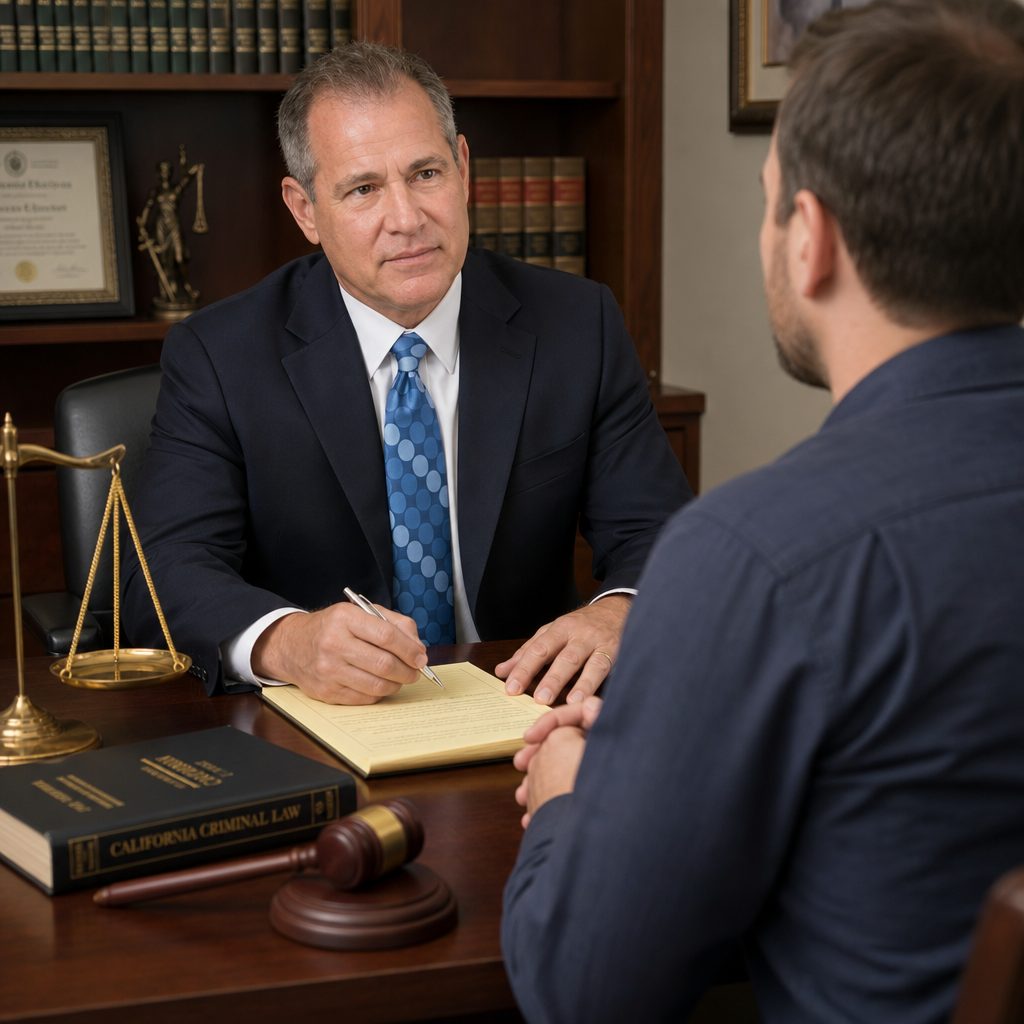
Our defense strategy depends entirely on what the evidence actually shows, not what the arrest report claims. We’ve seen countless cases where arrests are made on incomplete information, mistaken identification, or biased witness accounts. The full discovery process reveals these gaps.
We also protect your privacy interests. Sex offense cases often involve sensitive personal matters, prior relationships, or medical history. We work to keep these details out of open court records and negotiate confidential handling of evidence where legally possible.
Within the first two weeks, we typically schedule a confidential strategy meeting to discuss your version of events, any witnesses who support your account, and the prosecution’s evidence. This conversation remains entirely privileged; nothing you tell us can be disclosed without your permission. We assess whether the case has weaknesses the prosecution must prove beyond reasonable doubt or whether negotiation may protect your interests better than trial.
Our approach acknowledges that misdemeanor sex offense cases often involve gray areas: consent disputes, misunderstandings about age or relationship status, or situations where the offense is less clear-cut than the charging document suggests.
What to do next: Gather any text messages, emails, or communications related to the alleged incident. These often support your account or contradict the prosecution’s version.
The Investigation Phase and Your Defense Strategy
Once we have discovery, the real investigation begins. We examine police procedures: Were you properly advised of your rights? Did police follow proper protocol for collecting evidence? Was any eyewitness identification conducted using fair lineup procedures?
We also investigate independently. If witnesses exist who support your account, we interview them and document their statements. We review any video footage, phone records, social media activity, or other digital evidence that clarifies what actually happened. In many cases, this independent investigation reveals facts the police never explored because they focused narrowly on prosecution.
For sex offense cases specifically, we examine the accuser’s credibility, motive, and consistency. We determine whether there are inconsistencies between their statements to police and what they may have told others. We also assess whether their allegations align with physical evidence or telecommunications records.
We further evaluate possible defenses: mistaken identity, false accusation, miscommunication about consent, unreliable witness identification, or legal defenses unique to the specific charge you face. Some misdemeanor sex charges carry age-of-consent defenses or consent-based defenses that apply if the factual record supports them.
This phase typically takes weeks or months, not days. Rushing into negotiations before you understand the evidence exposes you to unfavorable outcomes.
What to do next: Preserve your phone, email, and social media accounts exactly as they were at the time of the alleged incident. Do not delete messages or post about your case.
Building a Comprehensive Legal Defense Plan
Your defense plan is built on evidence, not assumptions. Once we’ve reviewed discovery and completed our investigation, we present you with clear options.
Option one is negotiation. If the evidence is weak or prosecution overreached, we leverage our findings to negotiate case dismissal, reduction to a lesser charge, or favorable sentencing terms that protect your record. Many misdemeanor sex offense cases resolve this way because the evidence doesn’t support conviction.
Option two is trial. If the case is defensible and negotiations reach a ceiling, we prepare for trial. This means filing pre-trial motions to suppress unlawful evidence, preparing your testimony strategy, identifying expert witnesses if needed, and constructing a coherent narrative that creates reasonable doubt about the prosecution’s case.
Option three involves exploring diversion programs or conditional dismissal agreements where available. Some jurisdictions offer programs where successful completion results in case dismissal. We assess whether these fit your situation.
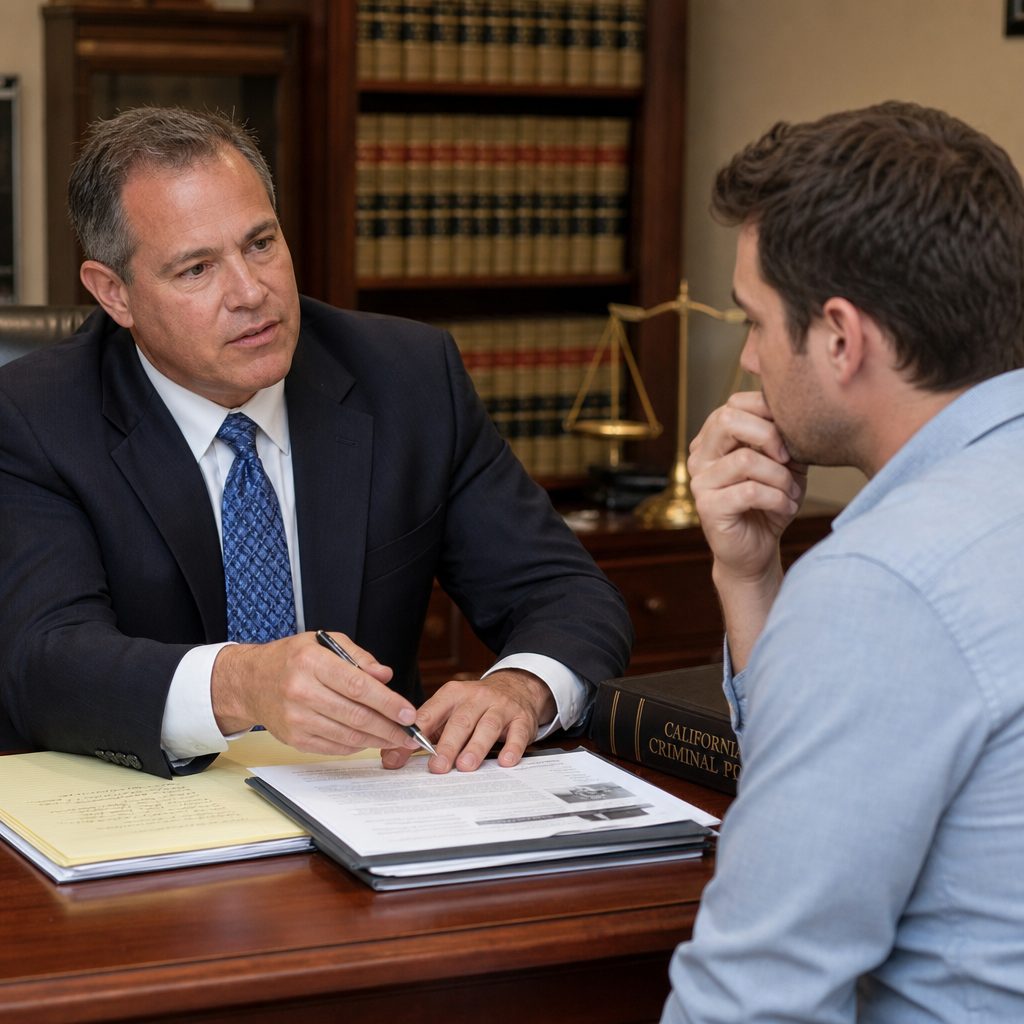
The plan depends entirely on the evidence, your criminal history, the specific charge, and the jurisdiction. Cases in Chula Vista often move differently than cases in Escondido or Carlsbad due to local prosecution cultures. We leverage our decades of experience in these communities to position your case strategically.
What to do next: Trust the investigation process. Do not pressure your attorney for an outcome before investigation is complete; that’s when mistakes happen.
Avoiding Common Mistakes That Hurt Your Case
Clients often sabotage their own defense through preventable errors. The most serious is speaking to police or prosecutors without counsel present. Even innocent explanations become problematic when prosecutors reframe them as admissions.
Another critical mistake is using social media or messaging apps to discuss your case. Every post, story, or message can be discovered by prosecution and used against you. We advise clients to avoid all public discussion of their arrest, the alleged incident, or the charges.
Clients also sometimes provide false information to their attorney, hoping to influence the defense strategy. This doesn’t work. We need the truth to evaluate your case honestly and avoid being blindsided by evidence at trial. Attorney-client privilege protects our conversation; lying to us only weakens your defense.
Many defendants change attorneys mid-case, disrupting continuity and investigation momentum. Changing counsel should be a rare decision, not a reaction to frustration over a long investigation timeline.
Finally, some clients fail to comply with bail conditions or court orders. Missing dates, violating probation while awaiting trial, or failing to appear signals to judges that you’re not taking the case seriously. We advise strict compliance with all conditions imposed on your release.
What to do next: Follow your attorney’s instructions precisely, attend every required appearance, and report any changes in your circumstances immediately.
How Record Expungement Works After Resolution
If your case resolves, expungement becomes your next priority. California law allows most misdemeanor convictions to be expunged under Penal Code 1203.4, which means the conviction is dismissed and your record shows the case was dismissed. This is powerful: employers, landlords, and most inquiries see only that the charge was rejected by the court.
Even if you receive probation, you’re typically eligible for expungement after probation completion. If your case is dismissed entirely (the best outcome), expungement is nearly automatic.
Expungement doesn’t erase the arrest itself in police databases, but it removes the conviction from the public record and allows you to legally state you were never convicted. This protects your employment, professional licensing, housing applications, and credibility.
We handle expungement petitions as part of our ongoing representation. Once the case resolves, we file the motion and appear at the expungement hearing. In most cases, judges grant expungement readily because prosecutors lack incentive to oppose it for resolved misdemeanors.
We also advise on collateral consequences. Some misdemeanor sex offenses carry sex offender registration; expungement typically relieves you of registration duties. Others may affect professional licenses or government employment opportunities. We address each consequence specifically to your charge and situation.
What to do next: Ask your attorney when you become eligible for expungement and request written confirmation of the timeline.
Our Flat-Fee Approach to Sex Offense Defense
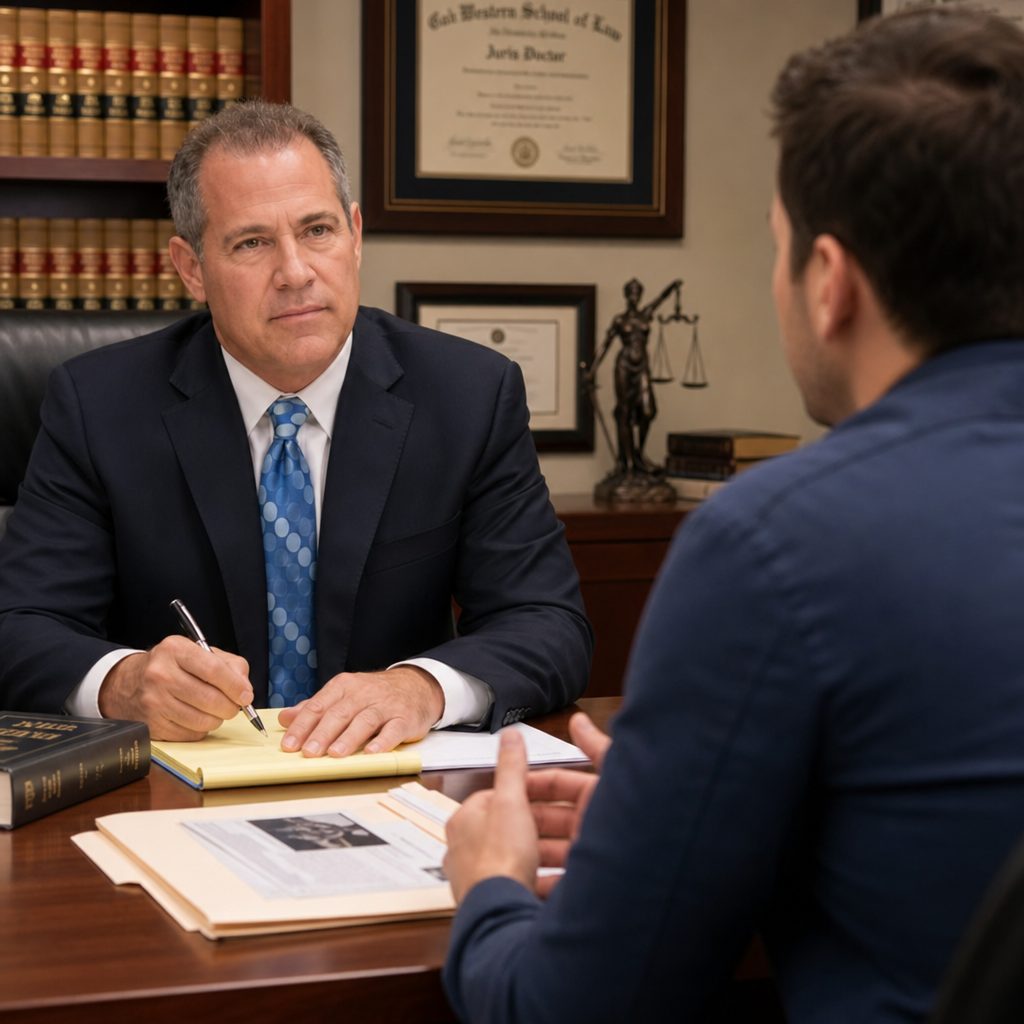
We’ve designed our representation to be transparent and affordable. Rather than hourly billing that encourages inefficiency, we charge flat fees for misdemeanor sex offense defense. This means you know your total investment upfront, with no surprise invoices as investigation deepens or case complexity shifts.
Our flat fee covers investigation, discovery review, pre-trial motions, negotiations, and trial preparation. We don’t charge separately for each motion filed or each hour spent reviewing police reports. This approach aligns our interests with yours: we’re incentivized to resolve your case efficiently, not to bill maximum hours.
We offer flexible payment plans to make experienced representation accessible. We also accept multiple payment methods and work with clients who need to spread payments across your case timeline.
Affordability doesn’t mean inexperience. We bring three decades of courtroom practice and hundreds of resolved sex offense cases to your representation. Our flat-fee model simply removes unnecessary administrative overhead and passes those savings to you.
Our San Diego sex offense lawyer team handles cases throughout San Diego County, Chula Vista, Carlsbad, Escondido, Encinitas, San Marcos, and El Cajon. Regardless of your jurisdiction, we bring consistent, experienced advocacy.
What to do next: Request a detailed fee agreement before engaging our services. Understand exactly what your flat fee includes and whether payment plans are available.
Next Steps: Contacting Us for Your Free Consultation
You need experienced counsel immediately. A misdemeanor sex offense arrest demands swift, informed response. Waiting months to secure representation allows critical time to pass and evidence to disappear or become unfavorable.
We offer free 24/7 consultations by phone or in-person. During your consultation, we discuss the charges, your circumstances, what happened after arrest, and preliminary assessment of your case. This conversation is entirely confidential and without obligation.
If you decide to retain our services, we move into action immediately: requesting discovery, preserving evidence, and launching investigation. If you decide to pursue other counsel, you have complete information for that decision.
Contact us today at your earliest opportunity. Your first hours and days after arrest are precious; experienced representation ensures they’re used strategically to protect your rights, your freedom, and your future record.
Frequently Asked Questions (FAQ)
What should I do immediately after a misdemeanor sex offense arrest in San Diego?
We recommend contacting us right away so we can guide you through your initial appearance and bail hearing. During the first 24-48 hours, you should avoid discussing your case with anyone except us, preserve all evidence and communications that might support your defense, and prepare for your arraignment. We handle warrant recall and bail reduction services to help you get released while we build your case.
How does our flat-fee pricing work for misdemeanor sex offense cases?
We charge straightforward flat fees based on the specific charges and complexity of your case, which means you know exactly what our representation costs upfront without surprise billing. We also offer flexible payment plans to make our services accessible when you need them most. Our pricing covers everything from investigation through trial preparation, so you’re not nickel-and-dimed for additional services.
Can you help me get my record expunged after my case resolves?
Yes, we guide clients through the expungement process once your case concludes, which allows us to petition the court to dismiss your conviction and seal your criminal record. Expungement is crucial for employment, housing, and professional licensing purposes, and we handle all the paperwork and court filings to make this happen. We’ll explain your eligibility and timeline during your free consultation.
Leave a Reply
You must be logged in to post a comment.