
Table of Contents
- Why Your Felony Arraignment Matters More Than You Think
- What Happens During a Felony Arraignment in San Diego
- The Critical Decisions You'll Face at Your First Appearance
- How We Protect Your Rights From Day One
- Bail and Release Options We Negotiate for You
- Building Your Defense Strategy Before Trial Begins
- Common Mistakes Defendants Make at Arraignment
- Our 24/7 Availability When You Need Us Most
- Affordable Flat-Fee Defense for Felony Cases
- Your Next Steps: Securing Immediate Legal Protection
- Frequently Asked Questions (FAQ)
Why Your Felony Arraignment Matters More Than You Think
Your arraignment is not just a formality. It’s the moment when the court hears charges against you, and when critical decisions get made that shape everything that follows. At this stage, bail amounts are set, evidence gets discussed, and your legal position either gets strengthened or compromised depending on the representation you have.
Many defendants underestimate this first appearance because they think the “real case” happens later at trial. That’s a costly misunderstanding. What you say, how you respond, and what legal motions we file at arraignment can directly affect whether you face incarceration, what bail conditions apply to you, and whether we can challenge the evidence prosecutors present.
We’ve watched defendants without proper counsel make statements at their first appearance that later became evidence against them. We’ve also helped clients avoid unreasonable bail amounts and lay groundwork for a strong defense simply because we knew what to watch for and how to respond in that critical moment.
What to do next: If you’re facing felony charges in San Diego County, contact us immediately for a free consultation. Don’t wait until your court date to learn what happens at arraignment.
What Happens During a Felony Arraignment in San Diego
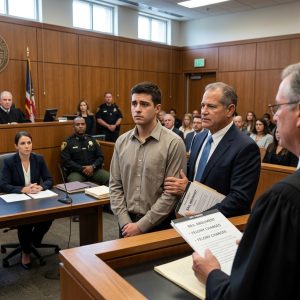
A felony arraignment in San Diego County typically follows this sequence: The court informs you of the charges, advises you of your rights, and asks how you plead. The prosecutor outlines the case against you, and the judge addresses bail or release conditions.
Here’s what actually occurs in the courtroom:
- The judge verifies your identity and confirms you understand the charges
- The prosecutor presents probable cause (usually just a police report summary)
- Your attorney raises any issues with the charges or bail
- The judge sets bail, release conditions, or orders your release
- The court schedules your next appearance
- Evidence rules and discovery obligations are discussed
The entire process might take 15 to 30 minutes, but those minutes determine whether you go home or stay in custody, whether you’re monitored by GPS, and what financial burden you face. The prosecutor rarely presents their full case at this stage, but they’re building momentum with the narrative they choose to highlight.
We review the police reports and charges before your arraignment so nothing catches you by surprise. We know San Diego County judges, how they handle bail, and which arguments they respond to.
What to do next: Gather all documents related to your arrest and case. Bring them to your free consultation so we can review specifics before your court appearance.
The Critical Decisions You’ll Face at Your First Appearance
At arraignment, you’ll face several decisions that require strategic thinking, not panic. The first is your plea. You’ll hear three options: guilty, not guilty, or no contest. Your instinct might be to plead guilty to “get it over with,” but that decision eliminates your right to challenge evidence and negotiate.
The second decision involves bail or release. The judge may order you held without bail, release you on your own recognizance, set a bail amount, or impose conditions like no contact orders or GPS monitoring. How we argue at this moment directly affects your freedom while your case moves forward.
The third involves waiving or asserting your right to a preliminary hearing. This isn’t a trial, but a chance to challenge whether probable cause exists. Waiving this hearing gives up leverage; asserting it forces the prosecution to prove their case early.
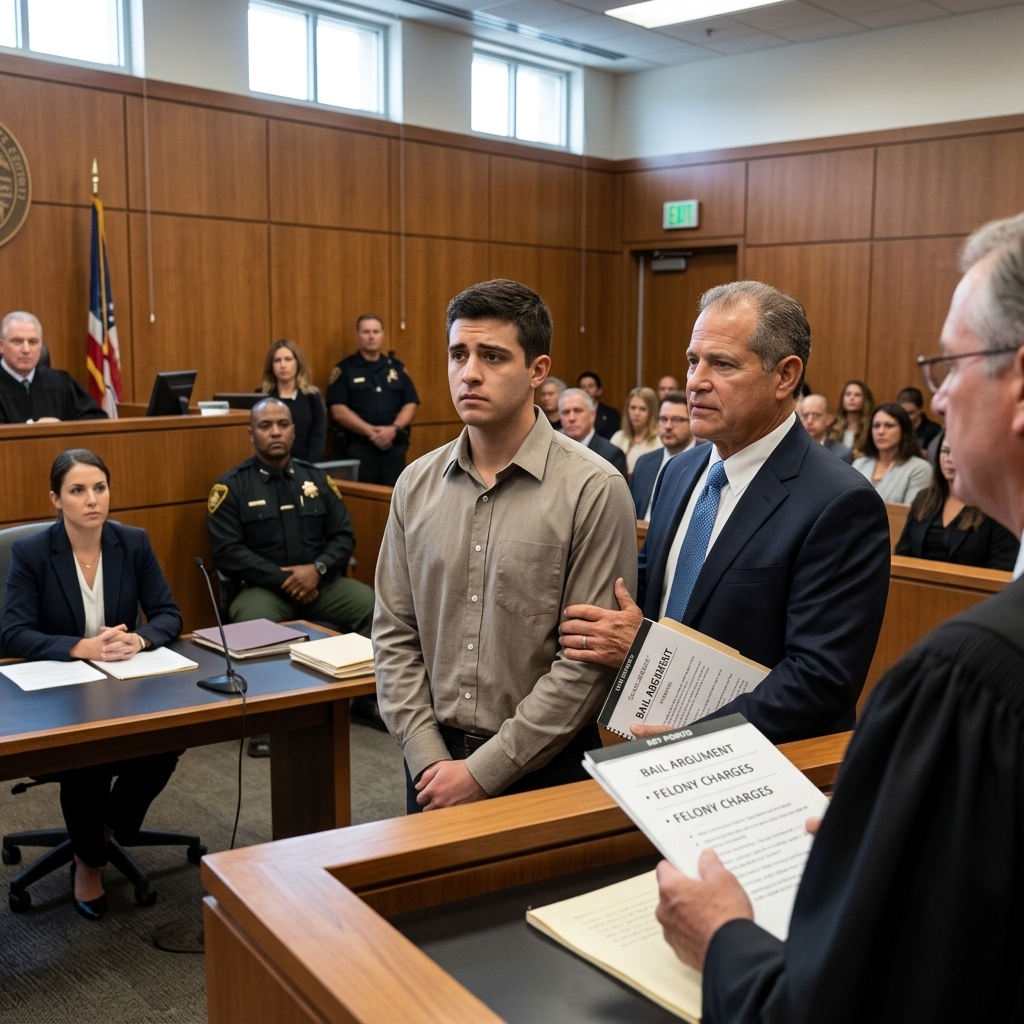
Making these choices alone or without proper counsel is dangerous. We’ve seen defendants plead without understanding the long-term consequences, accept bail amounts that devastate their finances, or waive rights they didn’t know they had.
What to do next: Before your arraignment, discuss each of these decisions with us. We’ll explain your options, the consequences of each choice, and what strategy makes sense for your specific situation.
How We Protect Your Rights From Day One
We begin protecting your rights the moment you contact us, well before your arraignment. We review all police reports, arrest documents, and initial charges to identify legal weaknesses in the prosecutor’s case.
At your arraignment, we:
- Challenge any defects in the charges or arrest procedure
- Present evidence of your community ties and stability to support bail arguments
- Propose reasonable bail or release conditions instead of accepting the prosecution’s recommendations
- Preserve your right to a preliminary hearing if it serves your defense
- Ensure the court explains your rights clearly before you make any statements
- Object to any improper conditions or overreaching prosecution requests
We also handle the procedural details that protect you. We make sure evidence gets disclosed properly, deadlines are met, and your case moves forward without unnecessary delays that keep you in uncertainty.
Most importantly, we ensure you never speak to police or prosecutors without us present. Anything you say can become evidence, and silence is protected by law.
What to do next: Call us before any further police contact or court appearance. Our 24/7 availability means you don’t have to wait.
Bail and Release Options We Negotiate for You
Bail decisions often feel arbitrary, but they follow specific criteria. San Diego County judges consider the severity of charges, your prior criminal history, ties to the community, employment status, and flight risk when setting amounts.
Common release options include:
- Release on your own recognizance (ROR) – no bail required, just your promise to appear
- GPS monitoring with bail reduction
- Conditional release with contact restrictions or travel limitations
- Bail amounts set by a bail schedule, which we can argue to reduce
- Own recognizance with third-party custody (a family member vouches for you)
We build a bail argument focused on your strengths: stable employment, family ties in San Diego County, lack of prior convictions, and community involvement. We gather documentation and sometimes present character witnesses or letters of support to show the judge you’re not a flight risk.
If bail gets set too high, we negotiate reductions. If the prosecutor opposes bail entirely, we fight for release conditions instead of incarceration. If you can’t afford bail, we explore payment plans or bail bond options.
What to do next: Prepare a list of employment history, family members in San Diego County, community involvement, and any other proof of stability. We’ll use this at your arraignment.
Building Your Defense Strategy Before Trial Begins
Your defense doesn’t start at trial. It starts at arraignment. Early strategy involves identifying which evidence is problematic, which witnesses may be unreliable, and which legal motions will weaken the prosecution’s case.
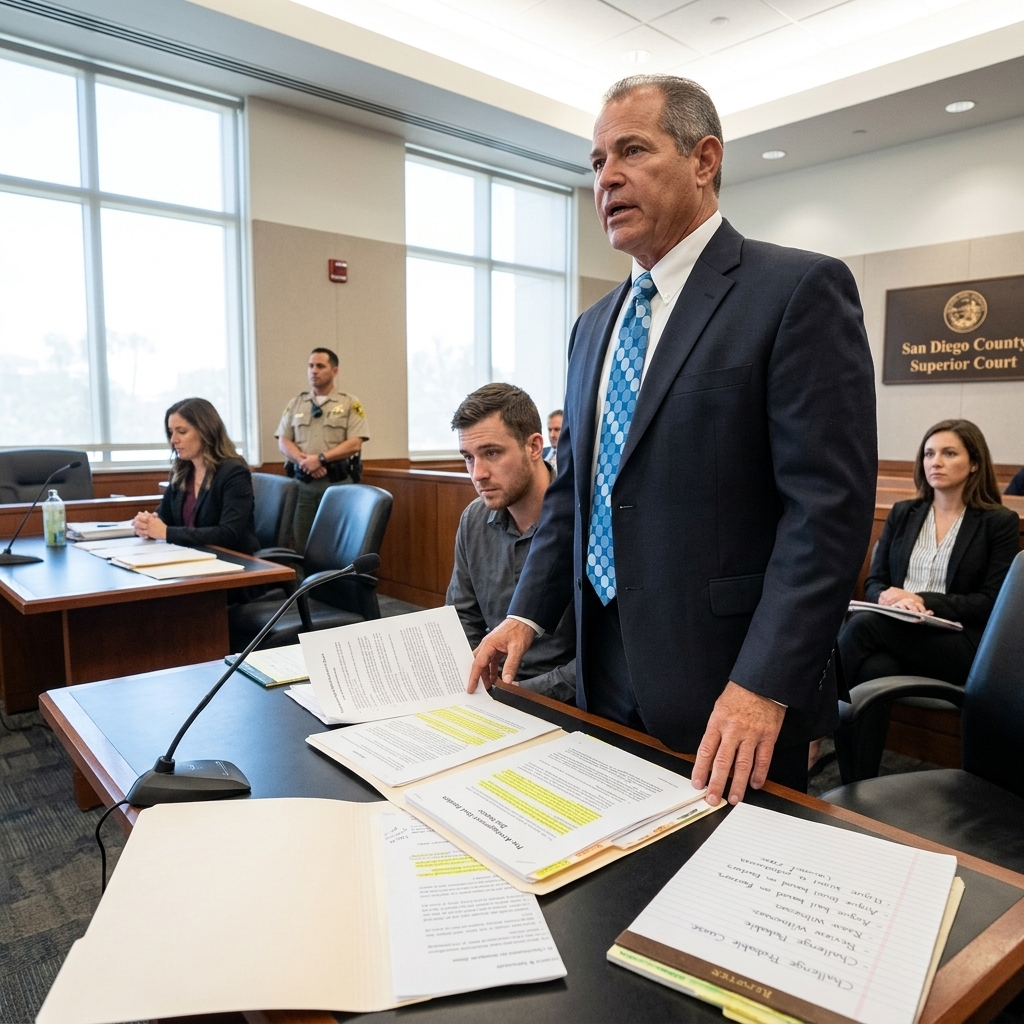
At this stage, we evaluate:
- Whether the arrest violated Fourth Amendment search and seizure protections
- Whether police properly read you your Miranda rights
- Whether the police report contains inconsistencies or holes
- Which evidence is admissible and which might get excluded
- Whether witness statements align with physical evidence
- What discovery the prosecution still owes us
Some cases have motion practice ahead of trial, where we ask the judge to exclude certain evidence or suppress statements. Establishing the foundation for these motions early, at or before arraignment, strengthens our position.
We also begin thinking about negotiation. If the evidence is strong against you, we may explore plea bargains that reduce charges, minimize sentencing exposure, or allow for record expungement later. If the evidence is weak, we build toward trial confidence.
What to do next: Be honest with us about what happened. Attorney-client privilege means everything you tell us stays confidential, and we need the full picture to build the strongest defense.
Common Mistakes Defendants Make at Arraignment
The biggest mistake we see is defendants representing themselves. The stakes are too high, the procedure too technical, and the decisions too consequential to navigate alone.
Other common errors include:
- Speaking to the judge or prosecutor without counsel present
- Accepting bail amounts without negotiation
- Pleading guilty without understanding collateral consequences
- Assuming a public defender’s heavy caseload means less attention than you deserve
- Failing to disclose prior arrests or warrants that complicate bail decisions
- Waiving preliminary hearing rights without understanding their value
- Bringing family members who become emotional witnesses that distract the proceeding
We’ve also seen defendants hide information because they’re embarrassed or scared it will hurt them. In reality, we discover everything anyway during discovery, and hiding it undermines trust. Honesty with your defense attorney is essential.
What to do next: If you’ve already had an arraignment or made statements, contact us immediately. We can still advocate for better outcomes and correct the record.
Our 24/7 Availability When You Need Us Most
Arrests often happen when courts are closed. Police custody happens at night and on weekends. The stress and uncertainty of a felony charge doesn’t wait for business hours.
We’re available 24/7 because we understand that timing matters. If you call us at midnight on a Saturday after an arrest, we answer. We can advise you on police questioning, explain what to expect at your first appearance, and begin preparing your defense immediately.
This availability also means we’re responsive throughout your case. Questions about court dates, bail conditions, or new charges get answered quickly. Court deadlines don’t slip because communication is delayed.
Many defendants feel isolated in custody or under stress waiting for arraignment. Knowing that experienced counsel is reachable at any moment reduces that burden and helps you make better decisions under pressure.
What to do next: Save our contact information now, before you need it. A quick call at the moment of arrest can prevent statements that harm your defense.
Affordable Flat-Fee Defense for Felony Cases
We understand that facing felony charges creates financial strain. Many defendants are working people who can’t afford expensive hourly billing or lawyers who demand retainers they don’t have.
We offer flat-fee pricing for felony and misdemeanor defense so you know the total cost upfront. No surprise bills, no hidden hourly charges, no pressure to pay thousands before we even begin. Our flexible payment plans make defense affordable even when your resources are limited.
Affordability doesn’t mean we cut corners. We provide the same thorough investigation, strategic thinking, and courtroom advocacy whether you pay a large retainer or spread payments over time. Our goal is making sure money never becomes a reason to proceed without proper counsel.
We also offer free 24/7 consultations, which means you can call and discuss your situation at no cost before deciding to hire us. You’ll know what representation looks like before you commit.
What to do next: Call for a free consultation and ask about our flat-fee options and payment plans. Understanding your financial commitment removes one source of stress.
Your Next Steps: Securing Immediate Legal Protection
If you’re facing felony charges in San Diego County, immediate action protects your rights and strengthens your position. The hours after arrest are critical, and the days before your arraignment determine much of what follows.
Here’s what to do right now:
- Call us immediately at 24/7 availability for a free consultation
- Don’t answer police questions without us present
- Gather documents: arrest paperwork, police reports, any charging documents
- Make a list of family and community ties in San Diego County
- Document your employment and any character references
- Avoid discussing your case on social media or with anyone except your attorney
We’re here to protect your rights from day one, navigate the arraignment process strategically, negotiate bail that lets you remain free, and build a defense that challenges the evidence against you. Your future depends on decisions made in the first hours and days after arrest.
Facing felony charges is serious, but you don’t face it alone. Contact the Law Offices of Victor Orsatti for immediate, experienced felony defense in San Diego. Your free consultation starts the process of protecting your freedom and your record.
Frequently Asked Questions (FAQ)
What should I expect to happen at my felony arraignment in San Diego County?
At your arraignment, we see you make your first appearance before a judge where charges are read and you enter a plea. We’ll be there to help you understand the bail hearing, discuss your release options, and ensure your rights are protected during this critical moment. The judge will set conditions for your release and establish the timeline for your case moving forward.
Why is it important to have our representation from the arraignment stage?
We use your arraignment to immediately begin negotiating bail conditions and gathering information that shapes your entire defense strategy. Many defendants make irreversible statements or accept unfavorable terms without counsel, which we prevent by advocating for you from day one. Early representation often leads to reduced bail amounts, better release conditions, and a stronger foundation for fighting your charges.
How do we handle clients who need immediate legal help?
We’re available 24/7 for free consultations and can work quickly to represent you at your arraignment without delay. Our flat-fee structure means you know exactly what our services cost upfront, and we offer flexible payment plans to accommodate your situation. If you’re arrested or facing charges in San Diego County, you can reach us immediately to secure protection before your court date.
Leave a Reply