
Three Strikes Felony Defense in Temescal: Avoid Life Sentence with Expert Legal Help
05
Oct
Three Strikes Felony Defense in Temescal: Avoid Life Sentence with Expert Legal Help
Table of Contents
- Why Three Strikes Cases Demand Immediate Legal Action
- Understanding California's Three Strikes Law and Its Consequences
- How We Identify Dismissible Strikes and Reduce Your Exposure
- Our Proven Strategies to Challenge Strike Allegations
- Negotiating Favorable Plea Agreements Before Trial
- The Critical Difference Between Public Defenders and Specialized Defense
- Your Path Forward: From Consultation to Case Resolution
- Why Temescal Defendants Choose Our Firm
- Frequently Asked Questions (FAQ)
Why Three Strikes Cases Demand Immediate Legal Action
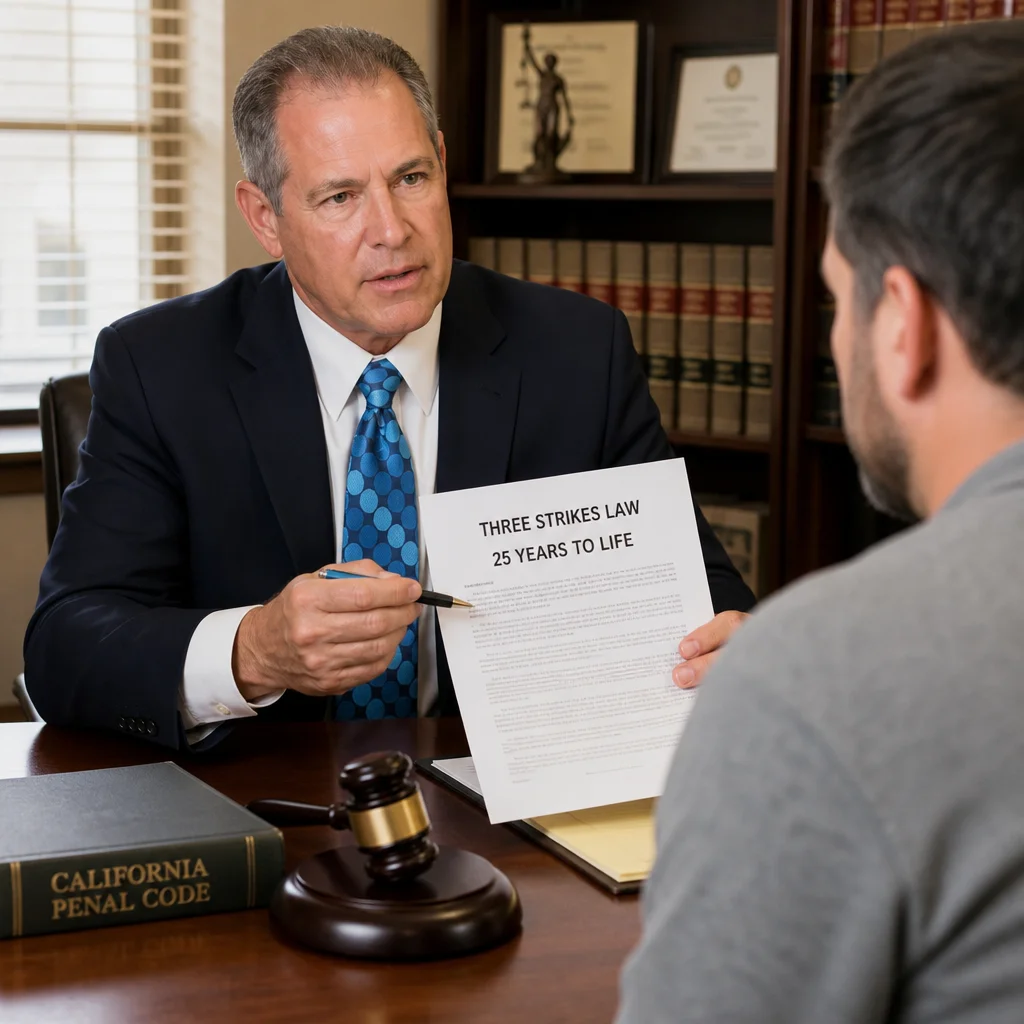
A three strikes conviction carries consequences that fundamentally alter the trajectory of your life. Unlike standard felony charges, a three strikes case can impose a 25-year-to-life sentence even for crimes that would otherwise result in far shorter prison terms. The urgency cannot be overstated: the moment you’re charged with a felony that qualifies as a strike offense, you need experienced legal representation in place.
Time is your ally in these cases, but only if you act decisively. Early intervention allows us to:
- Challenge the legal basis for strike designations before trial momentum builds
- Investigate whether prior convictions meet the technical requirements to count as strikes
- Explore opportunities to have prior strikes dismissed under Penal Code Section 1385
- Negotiate with prosecutors from a position of strength before they solidify their position
Every day that passes without strategic defense preparation diminishes your options. Prosecutors move quickly to file allegations, and delay weakens your negotiating leverage. We prioritize speed and precision in these matters because the stakes are absolute.
Understanding California’s Three Strikes Law and Its Consequences
California’s three strikes sentencing law, enacted in 1994, requires judges to impose strict mandatory sentences based on the number of prior “strike” convictions on your record. A strike offense includes violent felonies, serious felonies, and certain drug crimes. Once prosecutors allege you have prior strikes, the sentencing framework changes dramatically.
Here’s how the sentencing structure works:
- First strike: You face normal sentencing for the current offense
- Second strike: The sentence doubles, and you must serve at least 80% of it before parole eligibility
- Third strike: You face 25 years to life, with no possibility of parole for at least 25 years
What makes this particularly punitive is that the current offense doesn’t have to be serious for a three strikes conviction to trigger these consequences. A person convicted of shoplifting as a third strike can receive 25-to-life if they have two prior strikes on their record. The law does not require proportionality between the offense and the sentence.
This is where your defense strategy must shift fundamentally. We don’t just defend the current charge; we also challenge the validity of prior strikes, examine whether they legally qualify under current standards, and pursue every available avenue to reduce your exposure.
How We Identify Dismissible Strikes and Reduce Your Exposure
One of the most overlooked aspects of three strikes defense involves scrutinizing whether your prior convictions actually count as strikes under current law. California law has evolved significantly since 1994, and many prior convictions that prosecutors cite may no longer qualify for strike designation.
We examine whether prior convictions meet these critical criteria:
- Whether the crime involved violence or threat of violence (for violent felony strikes)
- Whether proper legal procedures were followed in the original conviction
- Whether the conviction satisfies the specific statutory definition under Penal Code Section 667 or 1170.12
- Whether the defendant received proper advisories about the consequences of the plea
For example, a conviction from 15 years ago might have been obtained under procedures that wouldn’t meet current standards. If the original conviction was obtained without proper waiver of rights or with ineffective counsel, it may be subject to challenge and dismissal.
Additionally, California’s Senate Bill 1437 and other recent reforms have narrowed what qualifies as a strike-eligible offense. Convictions that once counted as strikes may now fall outside strike classifications entirely. We conduct a forensic review of your prior criminal history to identify which convictions can be challenged, reduced, or dismissed entirely. This directly reduces the number of strikes prosecutors can allege against you and can mean the difference between a life sentence and a determinate term you can actually survive.
Our Proven Strategies to Challenge Strike Allegations
Defending a three-strike case requires multiple simultaneous strategies, each designed to undermine the prosecution’s ability to obtain a three strikes conviction.
Attacking the Current Charge: We challenge whether the current offense legally qualifies as a strike. Even if prosecutors allege the current crime as a strike offense, we investigate defects in the arrest, search and seizure issues, witness credibility problems, and constitutional violations. Many felony charges collapse under rigorous examination of police procedures and evidence handling.
Challenging Prior Strike Allegations: We file motions to dismiss or reduce prior strikes based on recent changes in law, procedural defects in the original proceedings, and claims of ineffective assistance of counsel from the original trial. These motions require detailed legal research and often involve obtaining records from decades-old cases.
Raising Duress and Necessity Defenses: Circumstances sometimes exist where we can argue you committed the charged act under duress or necessity. These defenses can negate guilt even where the act technically occurred.
Negotiating Alternative Theories: We work with prosecutors to explore whether the current charge can be charged under different legal theories that don’t qualify as strikes. For instance, some crimes can be charged as either strike or non-strike offenses depending on the specific facts presented.
The strategy we employ depends entirely on the particulars of your case, your criminal history, and the strength of the prosecution’s evidence. We build our defense architecture from the ground up based on what the record actually shows, not on assumptions or standard templates.
Negotiating Favorable Plea Agreements Before Trial
Most three strikes cases resolve through negotiation rather than trial. This is actually advantageous because it allows us to control the outcome rather than leave your fate to a jury and judge.
Our negotiation strategy focuses on several key objectives:
- Strike Reduction: Convincing the prosecutor to withdraw or reduce the number of strikes alleged, which can transform a 25-to-life exposure into a determinate sentence
- Charge Reduction: Negotiating for you to plead to lesser offenses that don’t qualify as strikes
- Sentencing Recommendation: Securing the prosecutor’s agreement to recommend a specific sentence rather than leaving it entirely to judicial discretion
- Concurrent Sentencing: Structuring any prison time to run concurrently rather than consecutively, reducing overall exposure
The key to successful negotiation is demonstrating to prosecutors that proceeding to trial creates risk for them. We build this position by identifying evidentiary weaknesses, questioning witness credibility, and clearly articulating viable defenses that could result in acquittal. Prosecutors understand that a guaranteed 15-year sentence through negotiation beats the uncertainty of trial, and we frame our discussions accordingly.
We also leverage potential changes in sentencing law. California courts have increasing discretion to impose lower sentences in three strikes cases under recent statutory amendments. Prosecutors recognize that even if they win at trial, judicial discretion may result in a lower sentence anyway. This reality strengthens our negotiating position considerably.
The Critical Difference Between Public Defenders and Specialized Defense
Southern California’s public defender offices handle enormous caseloads. A public defender in a busy county often manages 100 or more cases simultaneously. This structural reality means most defendants receive limited individual attention and case preparation. For a three strikes case, this approach is catastrophic.
Three strikes defense requires specialized knowledge that extends beyond general criminal law. It demands:
- Expertise in Penal Code sections governing strike classifications and sentencing enhancements
- Knowledge of recent legislative changes and case law that affects strike designations
- Understanding of post-conviction remedies and motion practice specific to strike cases
- Ability to conduct detailed investigations into the validity of prior convictions
- Experience negotiating with prosecutors specifically on strike allegations
We bring focused expertise to every case. Our entire practice emphasizes serious felony defense, particularly cases involving strikes, violent crime allegations, and complex sentencing issues. We don’t treat your case as one of a hundred; we analyze it with the depth and strategic thinking these stakes demand.
Additionally, we maintain 24/7 availability for our clients. When you’re facing a three strikes charge, you need to reach your attorney when decisions must be made. A busy public defender’s office simply cannot provide this level of accessibility or responsiveness.
Your Path Forward: From Consultation to Case Resolution
Our process begins with a thorough free consultation where we review your charges, criminal history, and the evidence prosecutors have gathered. During this meeting, we conduct a preliminary assessment of whether your prior convictions legally qualify as strikes, identify potential defenses to the current charge, and outline a strategic roadmap specific to your situation.
Here’s what happens next:
- Investigation Phase: We obtain police reports, witness statements, forensic reports, and all evidence in the prosecution’s possession. We independently investigate the current charges and conduct a comprehensive audit of your prior convictions.
- Legal Analysis: We identify strike challenges, evidentiary weaknesses in the current case, and potential defenses. This analysis guides all subsequent negotiations and trial preparation.
- Negotiation: We present our findings to prosecutors and begin substantive negotiations aimed at reducing or eliminating strikes, lowering charges, or securing favorable sentencing recommendations.
- Trial Preparation or Resolution: If negotiation succeeds, we finalize the plea agreement and work toward the best possible outcome at sentencing. If negotiation stalls, we prepare aggressively for trial.
- Post-Conviction Advocacy: Even after sentencing, opportunities exist to file motions for sentence reduction or pursue other post-conviction remedies depending on recent legal changes.
We also work with clients on flexible payment arrangements because we understand that facing criminal charges creates financial strain. Our flat-fee pricing model means you know your costs upfront without surprise billing.
Why Temescal Defendants Choose Our Firm
Temescal residents facing three strikes charges turn to us because we’ve spent over three decades representing serious felony defendants throughout San Diego County, Riverside County, San Bernardino County, and Orange County. We understand the local court systems, the judges who preside over these cases, and the prosecutors’ offices that handle strikes cases.
Our track record reflects consistent results: we’ve obtained strikes dismissed under Penal Code 1385, negotiated favorable plea agreements that avoided life sentences, and secured acquittals on strike charges where the evidence didn’t support conviction. These outcomes don’t happen by accident; they result from meticulous preparation, strategic insight, and experienced judgment.
We’re accessible when you need us. Our 24/7 consultation availability means you don’t wait days to discuss critical decisions affecting your freedom. We treat three strikes cases with the seriousness they demand because we recognize that the difference between our defense work and inadequate representation can mean 25 years of your life.
If you’re facing three strikes charges in Temescal or elsewhere in Southern California, contact us immediately for a free consultation. We’ll evaluate your case, identify opportunities for defense, and chart a course toward the best possible resolution. The time to act is now.
Frequently Asked Questions (FAQ)
What makes three strikes cases different from other felony charges, and why do I need specialized defense?
We handle three strikes cases differently because the stakes are fundamentally higher – a third strike conviction can result in a 25-years-to-life sentence, which requires strategic approaches that general practitioners simply don’t employ regularly. Our firm specializes in identifying opportunities to dismiss prior strikes, reduce current charges, or negotiate alternatives that keep you out of prison. We’ve developed proven tactics specifically for three strikes defense that public defenders with massive caseloads cannot dedicate the time to pursue.
Can you actually get strikes dismissed or reduced?
Yes, we regularly work to dismiss or reduce strikes under Penal Code 1385 motions, particularly when we can demonstrate that prior convictions are legally defective or that your current situation qualifies you for relief under recent sentencing reforms. We analyze each prior strike for procedural errors, inadequate legal representation at the time, or changed circumstances that courts now consider. Whether through dismissal motions, charge reductions, or sentencing negotiations, we pursue every available avenue to minimize your strike exposure.
How quickly do I need to act if I’m facing three strikes charges?
We recommend contacting us immediately because the decisions made in the earliest stages of your case – from arrest through preliminary hearing – significantly impact your long-term options. Our 24/7 consultation line means we can assess your situation right away and begin developing your defense strategy before prosecutors solidify their case. The sooner we’re involved, the more leverage we have to protect you from a life sentence.