Stay calm, follow lawful instructions, avoid discussing case details, keep court papers, and contact a defense lawyer to understand your rights and next steps.

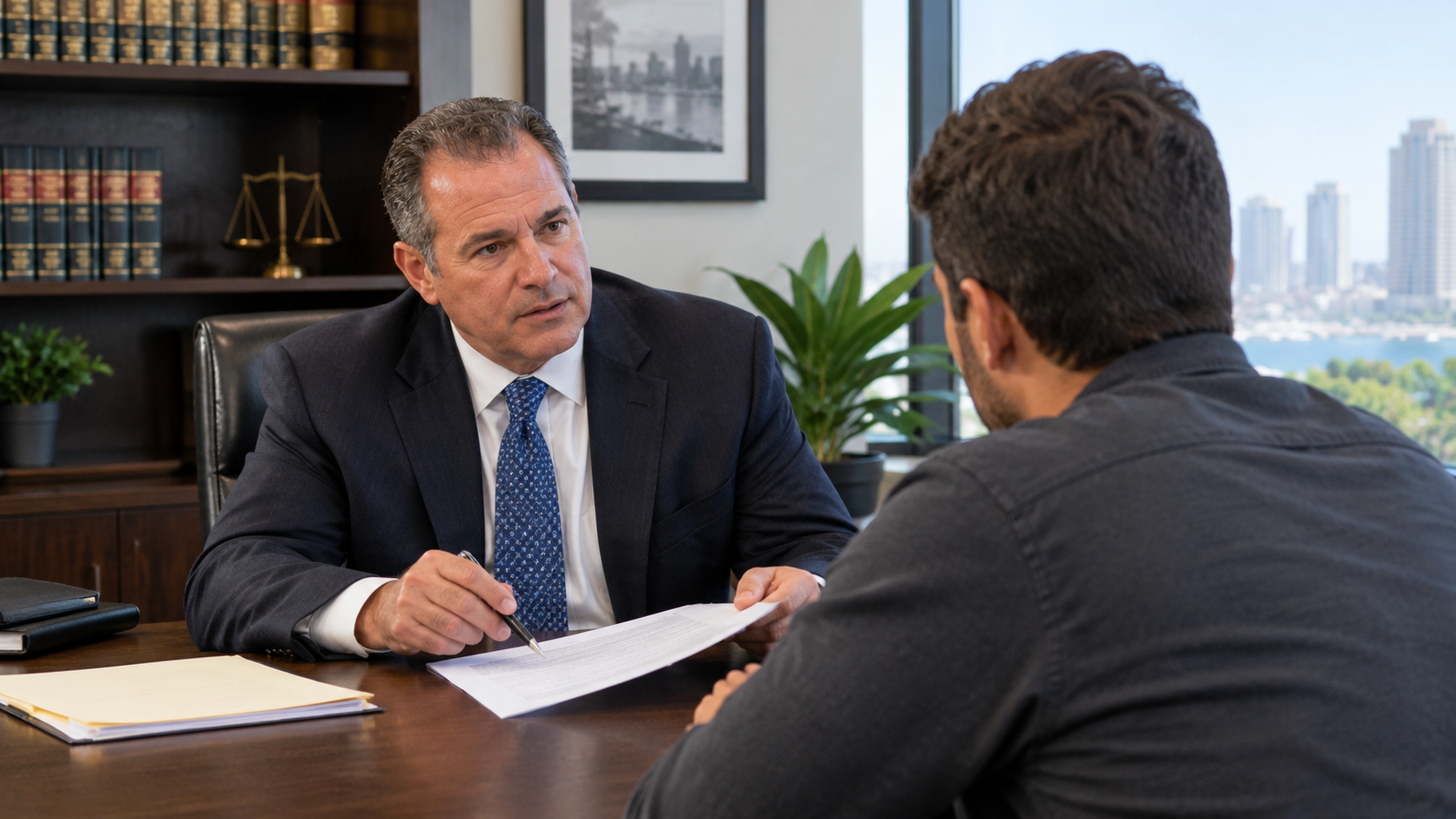
A gun arrest can cause fear and worry about your freedom, family, and future. Knowing what happens next can help you make better choices. A gun charges lawyer in San Diego can explain the charge, check the police report, and help protect their legal rights. The next steps depend on the facts of the case, the type of charge, and the evidence. Learning about the legal process can help you feel more prepared.
Not every gun arrest involves the same crime. A person may face a charge for having a gun without legal permission, carrying a hidden firearm, carrying a loaded gun in a place where it is not allowed, or having a firearm after a past conviction. Each charge has its own rules.
California law sets rules about who can own or carry certain firearms and where they can take them. The facts matter in every case. A defense lawyer can explain the charge, the law that applies, and the possible results. This helps you understand what the state must prove.
The exact charge also matters because different crimes can carry different penalties. Some cases involve questions about where the firearm was found, while others focus on a person’s legal right to have it. A lawyer can explain which facts matter under the law and help you avoid making choices based on fear or wrong information.
After an arrest, police may take a person to a station for booking. During this step, officers may record personal details, take fingerprints, and write down the reason for the arrest. The person may stay in custody or be allowed to leave, based on the case and the court’s rules.
A court hearing may take place soon after the arrest. At this hearing, a judge can explain the charge, decide if the person can be released, and set the next court date. It is important to attend every hearing and follow all court orders. Missing a hearing can lead to more legal trouble.
The court may also set rules that a person must follow after release. These rules can depend on the case and the judge’s decision. Keep a record of hearing dates and read any papers given to you. If a court order is unclear, ask your lawyer to explain it. Taking these steps can help you avoid mistakes during the case.
The way police found a firearm can play a key role in the case. Officers may find a gun during a traffic stop, a search of a home, or an inquiry into another crime. Different rules apply to each type of search.
A lawyer can check if the police had a legal reason to stop, search, or arrest you. If officers broke the law during a search, the defense may ask the judge to keep certain evidence out of court. This does not always end the case, but it may affect the proof the state can use.
The reason for the search is only one part of the review. A lawyer may also check what officers said they saw, how they handled the firearm, and whether their reports match other records. If key details do not agree, the defense can look into why. A close review helps show whether police actions and the evidence meet legal rules.
The state must prove the facts needed to support the charge. Finding a gun in a place does not always prove who owned it or knew it was there. For example, police may find a firearm in a car used by more than one person. This can raise questions about who knew about the gun and who had control over it.
A defense lawyer can read police reports, check witness statements, and review photos and other records. The lawyer can also look for facts that do not match or details that are missing. This review helps show which parts of the case may be challenged under the law.
Other evidence may include video, messages, records about the firearm, or statements made during the inquiry. Each item must be looked at in context. A short statement or image may not tell the full story. A lawyer can explain what the evidence shows, what it does not prove, and whether more information is needed to assess the charge.
After an arrest, do not guess how the case will end. Avoid talking about case details with people who may be asked to give statements. Keep papers linked to the case and share them with your lawyer. Follow any rules set by the court.
The result depends on the charge, the proof, any past convictions, and other facts. Some cases may be settled through talks with the state. Others may need more court hearings or a trial. No lawyer can promise a certain result. A careful review can help you understand your choices before you decide what to do next.
It is also important to understand each choice before agreeing to a deal or entering a plea. A plea can affect your record, your rights, and your future options. Ask your lawyer to explain the possible effects in simple terms. Clear advice can help you weigh the risks and make a choice based on the facts rather than pressure.
At The Law Offices of Victor Orsatti, our team reviews gun charges, checks the facts, and explains the legal choices available under California law. We can look at how police handled the case, review the evidence, and help you prepare for court. If you need a lawyer for gun charges, contact The Law Offices of Victor Orsatti to discuss your case and learn how we can help protect your rights. Getting legal advice early can help you understand the next steps and make informed choices. This content is provided for general informational purposes only and is not legal advice. Each case has unique facts.
Stay calm, follow lawful instructions, avoid discussing case details, keep court papers, and contact a defense lawyer to understand your rights and next steps.
Yes. A lawyer can review why police searched, how they acted, and whether legal rules were followed. A judge may exclude evidence in some cases.
The judge may explain the charge, review release conditions, and set future dates. The exact steps depend on the charge and case circumstances.
Possibly. The facts matter, including who knew about the firearm, who controlled it, and whether possession was lawful under California law.
A lawyer can explain the charge, review police reports and evidence, identify possible legal defenses, and guide you through hearings, negotiations, or trial preparation.


