
Criminal Trial Representation Bans: How We Protect Your Rights in Southern California

16
Oct
Criminal Trial Representation Bans: How We Protect Your Rights in Southern California
Table of Contents
- When Your Right to Represent Yourself Gets Challenged
- Understanding Criminal Trial Representation Bans in California Courts
- How Trial Bans Affect Your Defense Strategy and Future
- Why Judicial Restrictions Require Immediate Legal Action
- Our Approach to Fighting Representation Limitations
- Protecting Your Courtroom Access and Constitutional Rights
- Working Within Court Orders While Preserving Your Defense
- How We Navigate Complex Trial Ban Situations
- The Strategic Path Forward for Your Case
- Your Next Steps: Free 24/7 Consultation Available Now
- Frequently Asked Questions (FAQ)
When Your Right to Represent Yourself Gets Challenged
A criminal trial representation ban is one of the most serious restrictions a court can impose on a defendant. If you’re facing this situation across San Diego County, Riverside County, San Bernardino County, or Orange County, you need to understand what it means and how it directly threatens your defense. We’ve handled these complex cases for over three decades, and we know that swift, strategic action is essential.
Self-representation in criminal court, known as pro se representation, is a constitutional right guaranteed under the Sixth Amendment. However, this right is not absolute. California courts can impose restrictions on a defendant’s ability to represent themselves if the judge determines that you’ve engaged in severe misconduct, disruptive behavior, or repeated violations of court orders during proceedings.
What triggers a representation ban varies by case. Common triggers include repeated outbursts in the courtroom, filing frivolous motions designed to delay proceedings, threatening behavior toward court personnel, or consistent refusal to follow judicial instructions. A single incident rarely results in a ban; courts typically document a pattern of problematic conduct before imposing such a restriction.
The critical point: once a judge signals concern about your courtroom conduct, you’re walking a narrow line. Any additional incidents can accelerate the court toward imposing formal restrictions. This is why having experienced counsel present during all proceedings protects not just your defense strategy but your fundamental right to participate in your own trial.
Understanding Criminal Trial Representation Bans in California Courts
California courts distinguish between two types of representation restrictions. A partial ban limits your ability to represent yourself while allowing you to proceed with an attorney. A total ban removes your right to self-represent entirely and requires court-appointed or retained counsel to handle your case.
Courts justify these bans under California Penal Code standards that permit judges to restrict self-representation when the defendant’s conduct substantially disrupts the proceedings or makes orderly trial management impossible. The judge must provide you with notice and an opportunity to be heard before imposing a ban, though the threshold for establishing sufficient grounds is significantly lower than many defendants realize.
The practical consequence is stark: a ban strips away your control over your own defense. You cannot directly examine witnesses, present arguments without your attorney’s involvement, or make critical decisions about plea negotiations and trial strategy without filtering them through counsel. For defendants accustomed to hands-on involvement in their cases, this loss of autonomy feels paralyzing.
We’ve seen courts in our service areas impose these bans with varying degrees of documentation. Some judges issue clear warnings and allow defendants opportunity to correct behavior. Others move swiftly based on a single escalation, particularly when the defendant’s conduct threatens courtroom security or judicial authority. Understanding the specific judge, courthouse culture, and existing case dynamics is essential to preventing a ban from taking root.
How Trial Bans Affect Your Defense Strategy and Future
A representation ban fundamentally reshapes your entire approach to defense. Your attorney becomes the sole voice presenting your case to the jury, judge, and court. You lose the psychological advantage of direct victim confrontation or the ability to make emotional appeals directly to jurors. Your cross-examinations occur through counsel rather than in your own words and manner.
Beyond the immediate trial impact, a ban creates a permanent record that prosecutors and judges in future cases will see. If you face subsequent charges, that documented pattern of courtroom misconduct follows you. Judges consider prior bans when evaluating your trustworthiness and credibility in new proceedings. This record damage extends well beyond a single trial’s outcome.
The collateral damage to your case narrative is substantial. Juries sometimes respond to a defendant’s direct testimony or courtroom demeanor in ways that written transcripts or attorney arguments cannot replicate. When you’re silenced through a ban, your jury never hears your voice unfiltered. Skilled opposing counsel leverages this absence strategically, framing you as someone so dangerous or unhinged that the court had to remove you from proceedings.
Additionally, a ban complicates plea negotiations. Prosecutors view banned defendants as unpredictable and difficult to manage, which can harden their negotiating positions. They may demand harsher terms because they perceive reduced trial risk if the defendant is restricted from representing himself. Some prosecutors deliberately escalate conduct issues to trigger bans, knowing the restriction weakens the defendant’s negotiating leverage.
Why Judicial Restrictions Require Immediate Legal Action
The moment a judge expresses concern about your courtroom conduct or hints at restricting your representation, you’re in a critical decision window. Waiting or hoping the issue resolves on its own is tactical suicide. Courts move deliberately but decisively on these matters once they identify a pattern.
Immediate action means several things. First, secure experienced counsel before any formal ban motion is filed. A seasoned defense attorney can intercede directly with the court, provide perspective on your behalf, and potentially prevent escalation through strategic positioning and professional credibility. Second, document any extenuating circumstances that explain prior conduct incidents. Mental health crises, medication issues, communication barriers, or misunderstandings often underlie what courts perceive as willful disruption.
Third, demonstrate concrete behavioral correction. If a judge has expressed concerns, the next courtroom appearance must showcase your commitment to proper decorum, respectful communication, and cooperation with court procedures. This isn’t about appearing weak; it’s about showing judicial restraint and self-awareness. Judges respect defendants who take their concerns seriously.
We’ve prevented numerous representation bans by moving fast, communicating directly with the court about your circumstances, and demonstrating that any prior issues were exceptional rather than characteristic. The earlier you engage counsel, the more options remain available to avoid formal restrictions.
Our Approach to Fighting Representation Limitations
Our strategy begins with a comprehensive review of your case file, courtroom behavior documentation, and the specific incidents that triggered judicial concern. We analyze whether the judge’s concerns are rooted in legitimate courtroom disruption or stem from miscommunication, bias, or overreaction to isolated incidents.
We then prepare a detailed mitigation presentation that acknowledges the judge’s authority to maintain courtroom order while contextualizing your conduct within circumstances the court may not fully understand. This isn’t minimization; it’s strategic reframing grounded in facts and legal principle.
If a ban motion has already been filed, we respond aggressively through written opposition and oral argument. We cite case law establishing that representation restrictions must be narrowly tailored and impose the least restrictive means available. We present evidence of your commitment to proper courtroom conduct going forward and challenge the sufficiency of the judge’s factual predicate for such a drastic restriction.
Throughout the process, we serve as a buffer between you and the court. Our presence itself signals to the judge that you’re taking the proceedings seriously and have retained capable counsel. This professional intermediary role often defuses tensions that escalate when a defendant represents himself.
Protecting Your Courtroom Access and Constitutional Rights
Your constitutional right to defend yourself is foundational to due process. We don’t surrender that right lightly, even when retaining counsel is tactically wise. Our position in representation ban situations is always to preserve as much of your autonomy as possible while securing competent legal representation.
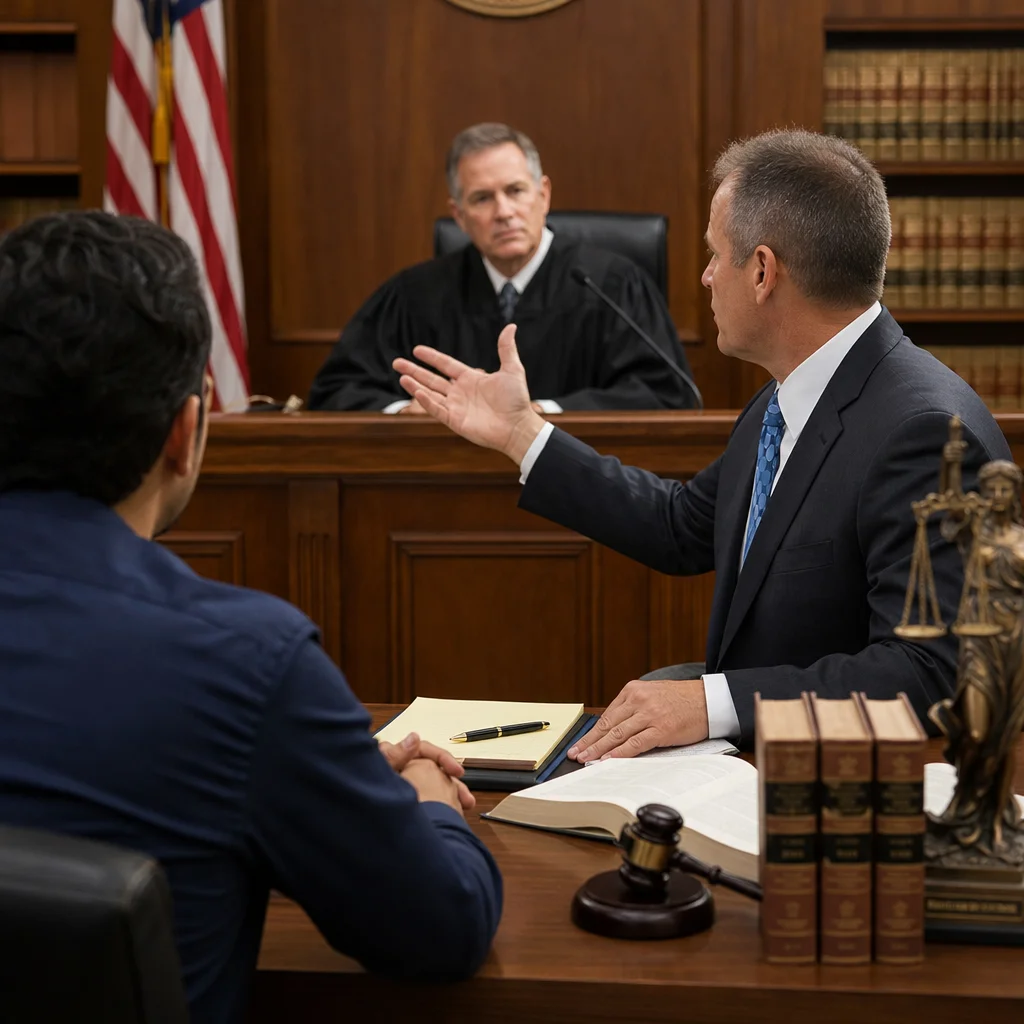
If the court is determined to impose some restrictions, we negotiate the narrowest possible scope. Perhaps you retain limited direct involvement in certain motions or can participate in jury selection while counsel handles witness examination. These compromises preserve your sense of agency and maintain visible defendant participation without the level of disruption that triggers judicial concern.
We also file appropriate appeals and post-conviction challenges if a ban is imposed improperly. Representation restrictions can be reviewed on appeal, particularly if the trial court failed to follow required procedural safeguards or imposed a ban without sufficient factual support.
Your right to a fair trial includes your ability to participate meaningfully in your own defense. We fight to preserve that right at every stage.
Working Within Court Orders While Preserving Your Defense
Sometimes despite our best efforts, a court imposes representation restrictions. We don’t view this as defeat. Instead, we shift to maximizing your defense quality and courtroom participation within the court’s established boundaries.
If you’re required to work through counsel on all representations, we establish clear communication protocols so you understand every argument we make and every strategic decision we implement. You remain the driving force behind your defense even if your courtroom voice is filtered through our representation.
We also identify creative ways to present your perspective to the court and jury within the ban’s parameters. Testimony you provide under oath can convey demeanor and credibility directly. We carefully script your direct examination so you can tell your story powerfully without providing prosecutors openings to exploit any courtroom behavior concerns.
Documentation matters too. We maintain meticulous records of your cooperative behavior, respectful courtroom demeanor, and adherence to all court orders during the ban period. This creates a factual foundation for future motions to lift the restrictions or for appeal arguments challenging the ban’s validity.
How We Navigate Complex Trial Ban Situations
These cases demand nuanced understanding of local court cultures, individual judges’ perspectives on self-representation, and the specific factual circumstances that led to representation concerns. We’ve handled complex trial ban situations across all our service areas in San Diego County, Riverside County, San Bernardino County, and Orange County, and we understand the procedural and personality differences between jurisdictions.
In San Diego County courts, we know which judges view representation restrictions as rare, last-resort measures and which take a stricter approach. The federal courthouse has its own culture regarding pro se defendants. State appellate courts apply increasingly protective standards when reviewing trial courts’ representation restrictions.
Our experience managing these situations means we can often resolve them before formal bans take effect. We communicate with prosecutors, court staff, and judges in ways that defuse tensions and demonstrate your commitment to proper courtroom conduct.
When bans are already in place, we’ve successfully appealed restrictions, negotiated their narrowing or removal, and secured convictions that withstand appellate scrutiny despite the restrictive conditions. This track record reflects decades of understanding what works in actual courtrooms, not just what theory suggests.
The Strategic Path Forward for Your Case
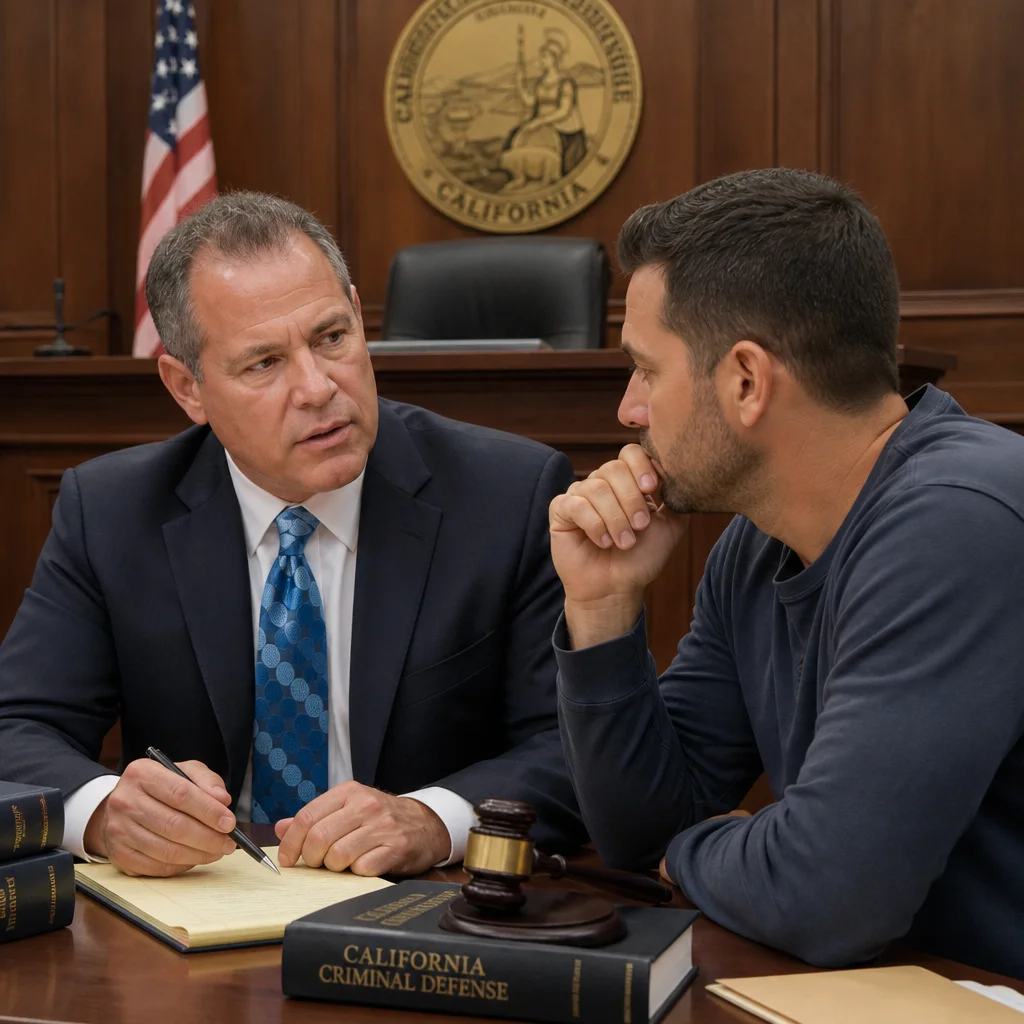
If you’re currently facing representation concerns or already subject to trial restrictions, your path forward requires immediate professional guidance. The decisions you make now determine whether restrictions can be avoided, narrowed, or successfully challenged later.
We recommend a 24/7 criminal defense consultation to discuss your specific situation with an attorney who can evaluate your case and the court’s concerns. We’re available around the clock because representation crisis situations don’t follow business hours.
In that consultation, we’ll analyze the underlying incidents, the judge’s stated concerns, and your courtroom conduct patterns. We’ll identify whether a ban is actually threatened, what immediate steps can prevent one, and what your options are if restrictions have already been imposed. If representation bans are new to you, we’ll explain the legal standards and what evidence courts actually consider when deciding whether restrictions are warranted.
Your defense should never be compromised by procedural obstacles or courtroom restrictions. Our role is ensuring your constitutional rights remain protected and your case receives the vigorous, experienced advocacy you deserve.
Your Next Steps: Free 24/7 Consultation Available Now
Don’t wait for formal representation restrictions to become official. If you’re facing criminal charges in Southern California and concerned about courtroom conduct issues, representation bans, or your ability to participate in your own defense, contact us immediately.
We provide free consultations around the clock. You can reach us anytime to discuss your situation confidentially with an experienced criminal defense attorney who understands representation restrictions and knows how to protect your rights.
Call today. The next few days may determine whether a representation ban becomes part of your case or remains merely a judicial concern that we help you address strategically. Your defense matters, and your constitutional rights deserve experienced protection.
Frequently Asked Questions (FAQ)
What exactly is a criminal trial representation ban and why would a court impose one?
A criminal trial representation ban is a court order that restricts your ability to represent yourself or limits who can represent you in trial proceedings. We see courts impose these restrictions when they believe self-representation would cause serious disruption, waste judicial resources, or harm the integrity of the trial process. Understanding the specific grounds for the ban is critical because it directly affects your defense strategy and appeal options.
How quickly do we need to act if a judge has restricted our trial representation rights?
We recommend contacting us immediately because these restrictions can severely impact your case timeline and legal options. Courts often impose representation bans without warning, and delays in challenging them can result in missed deadlines for motions or appeals that could reverse the order. Our 24/7 availability means we can begin working on your representation issue right away, whether we’re fighting the ban itself or adapting your defense strategy within court-ordered constraints.
Can we still mount an effective defense if a trial ban remains in place against us?
Yes, we develop strategic alternatives when bans cannot be immediately overturned, though we always pursue removal or modification simultaneously. We work within court orders while preserving your constitutional rights and creating a record for appeal, ensuring that representation restrictions don’t become permanent obstacles to justice.