Top 7 Misdemeanor Rights in Chula Vista You Must Know Now
07
Oct
Top 7 Misdemeanor Rights in Chula Vista You Must Know Now
Table of Contents
- 1. Your Right to Legal Representation and Why Public Defenders Fall Short
- 2. Understanding Arrest and Booking Procedures in San Diego County
- 3. Your Right to Bail and Bond Considerations
- 4. Miranda Rights and Police Interrogation Protections
- 5. The Discovery Process and Access to Evidence Against You
- 6. Plea Bargaining Options and Negotiation Strategies
- 7. Record Expungement Rights After Misdemeanor Conviction
- 8. Your Right to Trial and Courtroom Procedures
- 9. Probation Violation Defense and Your Options
- Frequently Asked Questions (FAQ)
1. Your Right to Legal Representation and Why Public Defenders Fall Short
The Sixth Amendment guarantees you the right to counsel, but not all counsel is equal. You have the constitutional right to an attorney from the moment you’re arrested or formally questioned by police. If you cannot afford one, the court will appoint a public defender at no cost.
However, public defenders in San Diego County face significant constraints. Many are handling 300 to 400 cases simultaneously, which means your file gets limited attention. We’ve reviewed countless cases where critical evidence was overlooked, discovery violations went unaddressed, and plea negotiations happened too quickly because the attorney simply didn’t have time to build a thorough defense strategy.
The difference between a public defender and a dedicated private defense attorney is stark:
- Public defenders spend an average of 30 minutes per misdemeanor case before trial
- Private defense counsel conducts individual case strategy sessions, witness interviews, and expert consultations
- We maintain manageable caseloads so every client receives the attention their case demands
- Our flat-fee structure means we’re invested in your outcome, not case volume
When you hire us at the Law Offices of Victor Orsatti, you’re not just getting legal representation; you’re getting strategic advocacy from an attorney with proven courtroom experience. We recommend contacting us for a free consultation before your first court appearance so we can begin building your defense immediately. Learn more about why private representation outperforms public defense in critical ways.
Actionable takeaway: Schedule your free consultation before your first court appearance to ensure you have adequate time for case preparation.
2. Understanding Arrest and Booking Procedures in San Diego County
Arrest procedures must follow strict constitutional requirements, though violations often occur in the chaos of booking and transport. You have the right to know why you’re being arrested, to be informed of charges against you, and to be transported to a police station or jail without unnecessary delay.
During the booking process at facilities like San Diego Central Jail or Chula Vista Police Department holding cells, officers will collect your personal information, photograph you, take fingerprints, and conduct a background check. This is routine, but your rights remain active:
- You cannot be held incommunicado; you have the right to contact someone
- Any statements you make during booking can be used against you
- Booking searches must be reasonable and documented
- You must be presented with your rights advisement, typically in writing
Many defendants inadvertently damage their defense by making casual comments to officers or other detainees during booking. Even seemingly innocent statements can be twisted during prosecution. Your best approach is silence. Don’t explain the arrest, don’t discuss the charges, and don’t answer questions beyond providing your name and basic identifying information.
San Diego County jails operate under specific protocols, and understanding them helps you avoid procedural traps. We guide clients through this transition period, ensuring no statements or evidence collection violates your protections.
Actionable takeaway: Remain silent during booking except when providing identifying information; every casual comment can become evidence against you.
3. Your Right to Bail and Bond Considerations
Bail determines whether you’re released from custody before trial and under what conditions. California law requires that bail be “reasonable” and that you not be detained solely because you’re poor. You have the constitutional right to a bail hearing and the right to be represented at that hearing.
In Chula Vista misdemeanor cases, bail schedules typically range from $500 to $5,000 depending on the charge, prior criminal history, and local court guidelines. Common scenarios include:
- First-offense shoplifting: $1,000 to $2,000 bail
- Battery or simple assault: $2,000 to $5,000 bail
- DUI with no accident: $2,500 to $5,000 bail
- Drug possession for personal use: $500 to $2,000 bail
You have several release options. Own recognizance (OR) release requires no money but relies on your promise to appear. Bail bonds involve paying a bondsman 10-15% of the bail amount in exchange for posting the full bail. Cash bail means paying the full amount directly to the court.
We can challenge bail at your first appearance if the amount seems excessive or if conditions are unreasonable. We’ve successfully argued for OR release and reduced bail in dozens of misdemeanor cases by presenting evidence of ties to the community, employment, and family responsibilities. Having an attorney present at your first appearance rather than representing yourself or relying on a public defender who hasn’t reviewed your background yet makes a measurable difference in bail outcomes.
Actionable takeaway: Gather documentation of community ties, employment, and family responsibilities before your bail hearing to strengthen arguments for reduced bail or OR release.
4. Miranda Rights and Police Interrogation Protections
You’ve heard this on television: “You have the right to remain silent. Anything you say can and will be used against you.” These are your Miranda rights, and they apply when police conduct a custodial interrogation, meaning you’re not free to leave and police are asking questions designed to elicit incriminating information.
Critically, Miranda rights are not automatically read to you. Police are only required to provide them before custodial questioning. If they neglect to do so and you make statements, those statements may be inadmissible in court. However, many defendants waive their rights without understanding the implications, and once you’ve waived them, anything you say becomes evidence.
Your protections include:
- The right to remain silent; invoking this stops all questioning immediately
- The right to an attorney before any questioning
- Police must cease interrogation once you request an attorney
- Any statements made without an attorney after invoking your right to counsel are typically inadmissible
- Confessions obtained through coercion, threats, or deception violate your rights
The most common mistake we see is defendants attempting to “clear things up” or “tell their side” during police interrogation. This rarely helps and almost always hurts. Police are trained to build rapport, suggest leniency for cooperation, and use your own words to construct a narrative of guilt. Silence is not an admission; it’s a constitutional protection.
We’ve successfully challenged confessions in multiple cases where officers continued questioning after clients invoked their right to counsel or where Miranda violations occurred. These suppressed statements have resulted in reduced charges or dismissals.
Actionable takeaway: If detained for questioning, clearly state “I want to speak to an attorney” and then remain silent regardless of police claims that cooperation will help your case.
5. The Discovery Process and Access to Evidence Against You
Discovery is the legal process by which the prosecution must provide you with all evidence they intend to use against you, as well as exculpatory evidence (evidence suggesting your innocence). This is not a favor; it’s a constitutional obligation under Brady v. Maryland.
The prosecutor in your Chula Vista misdemeanor case must provide:
- Police reports and investigation files
- Witness statements and prior statements by witnesses
- Any physical evidence collected
- Lab results (if applicable)
- Video or audio recordings
- Any evidence favorable to your defense
- Witness criminal histories that affect credibility
- Officer personnel records if relevant to credibility
Many prosecutors provide discovery late, incompletely, or in overwhelming batches designed to pressure quick plea negotiations. This violates your right to adequate time to prepare a defense. We conduct thorough discovery review, identify gaps, file motions to compel missing evidence, and highlight exculpatory material that prosecutors hope you’ll overlook.
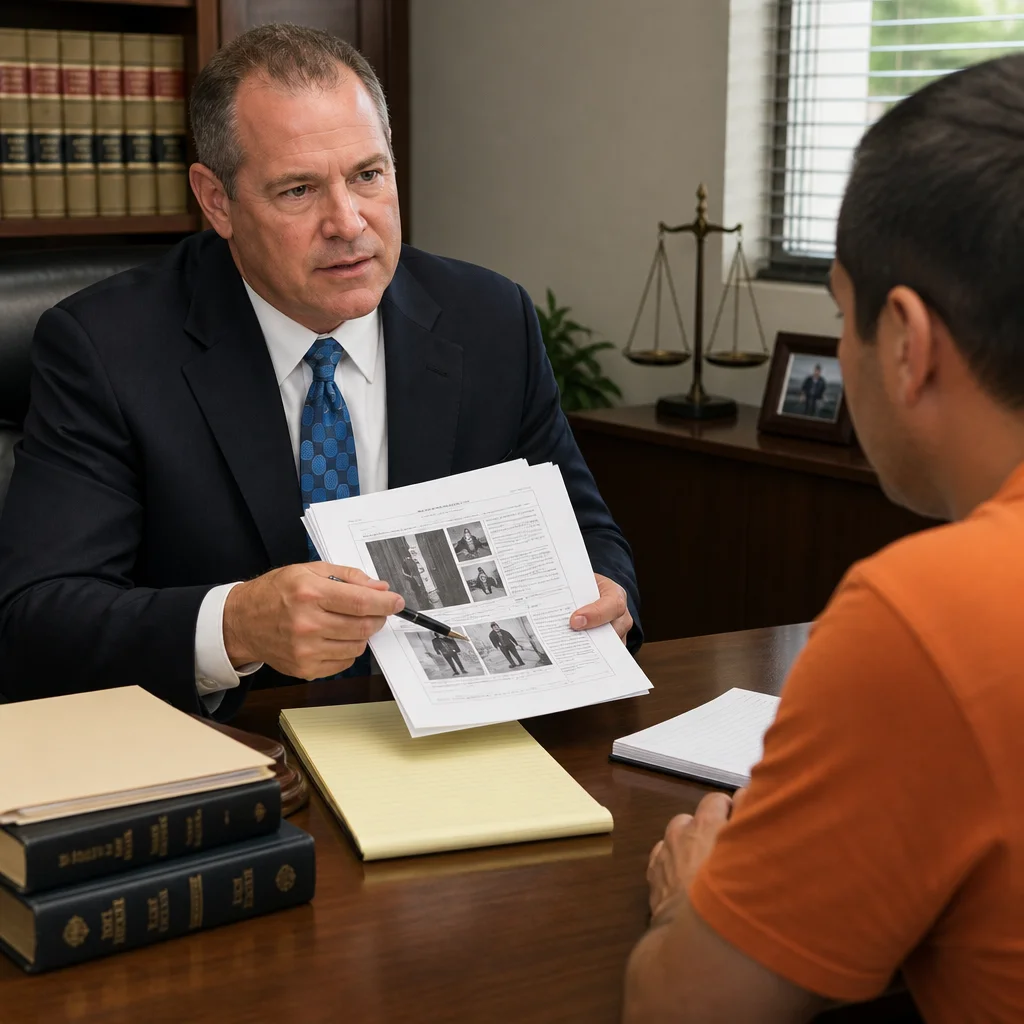
We’ve uncovered suppressed police reports, identified witness credibility issues through discovery, and discovered that key evidence collection violated chain-of-custody procedures. These findings often lead to evidence suppression motions that significantly weaken the prosecution’s case.
Actionable takeaway: Request all discovery in writing early in your case and specifically identify any missing evidence; documented requests strengthen arguments for prosecution violations.
6. Plea Bargaining Options and Negotiation Strategies
Most misdemeanor cases, roughly 85-90% in San Diego County, resolve through plea bargains rather than trial. A plea bargain is a negotiated agreement between the prosecution and defense where you plead guilty to some or all charges, typically in exchange for dismissed counts or reduced sentences.
Common plea scenarios in Chula Vista misdemeanor cases include:
- Pleading to a lesser charge (e.g., disturbing the peace instead of battery)
- Pleading to fewer counts (e.g., one count of DUI instead of DUI plus refusal)
- Pleading in exchange for prosecutor’s recommendation of probation or reduced jail time
- Pleading to an offense carrying different collateral consequences (e.g., non-drug charge instead of drug charge to preserve employment prospects)
Your right to effective counsel includes the right to competent plea negotiation. A public defender with 300 cases may push you toward any plea offer quickly. We negotiate from a position of strength, evaluating each offer against trial prospects, discussing potential outcomes if your case proceeds, and ensuring you understand the long-term consequences of any agreement.
We won’t pressure you into a plea. Instead, we assess prosecution strength, identify weaknesses in their case, and position your negotiation to maximize favorable outcomes. Sometimes the right strategy is refusing a weak plea offer and forcing the prosecutor to prepare for trial, a move that often leads to better offers when they realize you’re serious about defense.
Actionable takeaway: Never accept the first plea offer without discussing trial prospects with your attorney; many prosecutors improve offers when they understand you’re prepared to go to trial.
7. Record Expungement Rights After Misdemeanor Conviction
Even after a misdemeanor conviction, California law allows you to expunge (erase) your criminal record under Penal Code Section 1203.4. This is one of the most valuable rights available to defendants because an expunged record can be legally withheld from most employers, housing providers, and licensing boards.
You become eligible for expungement once you:
- Complete probation (if probation was imposed)
- Fulfill other conditions of your sentence
- File a petition with the court requesting expungement
Successful expungement means your conviction is dismissed, allowing you to answer “no” when asked if you’ve been convicted of a crime on most employment and housing applications. Professional licenses, teaching credentials, and security clearances may also become available after expungement.
We file expungement petitions routinely and have secured expungements even in cases where prosecutors initially opposed them. Understanding your expungement rights and timeline is critical because waiting too long may result in denial based on arbitrary timing arguments.
Actionable takeaway: Calendar your expungement eligibility date and contact an attorney three to six months before you become eligible so your petition can be filed promptly.
8. Your Right to Trial and Courtroom Procedures
You have the constitutional right to a trial before a judge or jury where the prosecution must prove guilt beyond a reasonable doubt. This is an incredibly high standard: reasonable doubt means doubt that would cause a reasonable person to hesitate before acting. The prosecution must prove every element of the charge, and if they fail on even one element, acquittal is required.
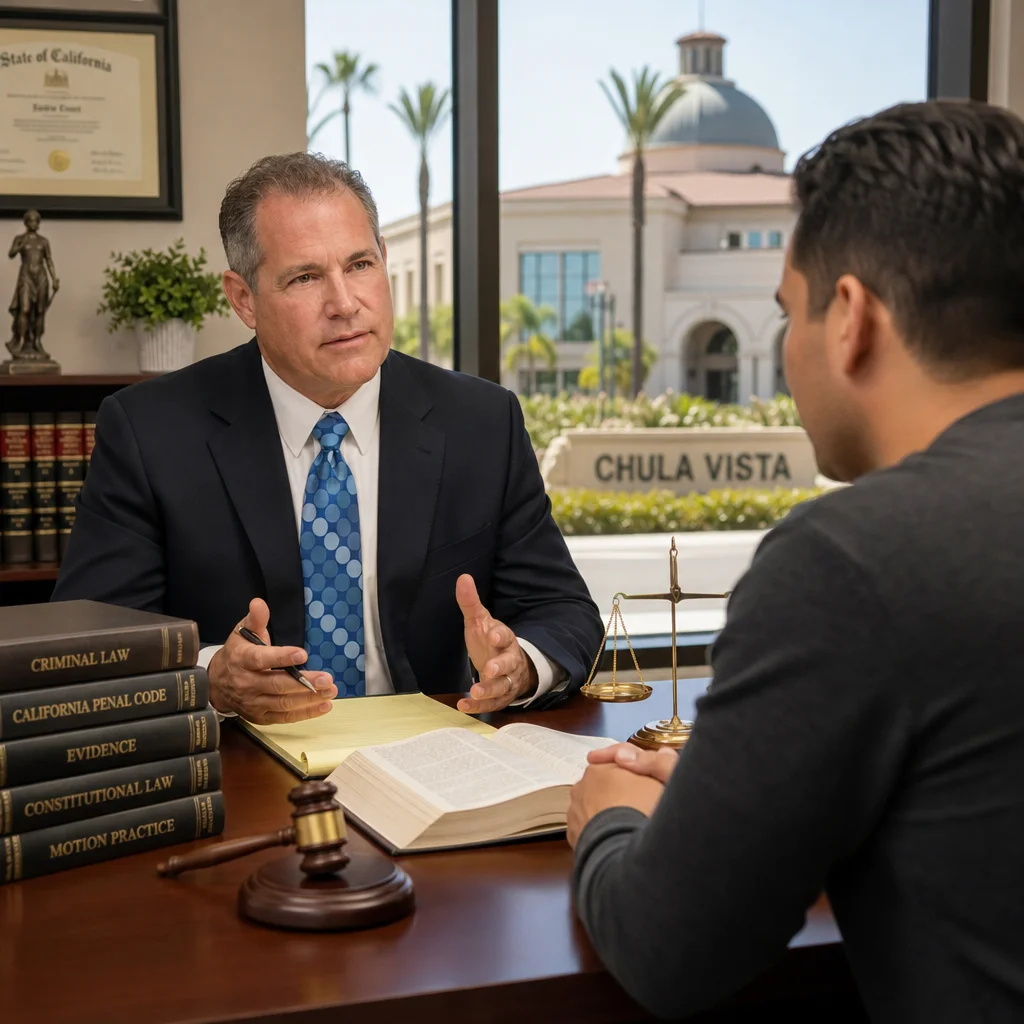
Misdemeanor trials in San Diego County typically occur in municipal court. You can request a jury trial (6 jurors in most misdemeanor cases), though jury trials are less common in misdemeanor cases because they extend timelines and costs. A court trial (judge only) is faster but requires the judge to determine guilt.
Your trial rights include:
- The right to cross-examine witnesses
- The right to present your own witnesses and evidence
- The right to testify or remain silent without adverse inference
- The right to competent legal representation during trial
- The right to appeal if convicted
Trial preparation demands extensive work: witness interviews, evidence analysis, legal research, trial strategy development, and courtroom advocacy. Public defenders often have little time for meaningful trial prep; we dedicate weeks to preparing your case for trial presentation.
Actionable takeaway: Discuss jury versus court trial strategy with your attorney based on the judge’s sentencing tendencies and witness credibility issues that jurors may evaluate differently than a judge.
9. Probation Violation Defense and Your Options
If your misdemeanor case results in probation, you’re subject to specific conditions (no new arrests, maintain employment, attend counseling, pay fines, etc.). Violating these conditions can result in probation revocation and imposition of jail time.
Probation violation proceedings differ significantly from criminal trials. The standard of proof is lower (preponderance of the evidence, not beyond reasonable doubt), and you may not have the same trial rights. However, you still have the right to notice of the violation, the right to an attorney, and the right to contest the violation.
Common probation violations in Chula Vista misdemeanor cases include:
- New arrests or criminal charges
- Failure to pay fines or restitution
- Failure to complete required counseling or treatment
- Failure to maintain employment
- Failure to report to probation officer
- Positive drug tests (in drug-related probation)
We defend probation violations aggressively. We’ve successfully argued that violations were technical rather than willful, that circumstances were beyond our client’s control, and that the court should continue probation with modified conditions rather than revoke it. Strategic representation at probation violation hearings often prevents incarceration.
Actionable takeaway: If you’re struggling to meet probation conditions, contact your attorney immediately to discuss modification options before a violation is filed; proactive communication with the court is often more effective than defending violations after they occur.
Frequently Asked Questions (FAQ)
Why should I hire you instead of using a public defender for my Chula Vista misdemeanor charge?
We handle significantly smaller caseloads than public defenders, which means we dedicate personalized attention to your specific situation rather than juggling hundreds of cases simultaneously. Our team focuses exclusively on criminal defense in Southern California counties, so we understand local court procedures, judges, and prosecutors in ways that enable us to negotiate better outcomes. We’re also available 24/7 for consultations and use flat-fee pricing to ensure you know exactly what you’ll pay upfront without surprise billing.
What happens after my misdemeanor conviction in San Diego County?
We guide you through record expungement, which is a crucial right many people don’t realize they have. Under California law, you may qualify to have your conviction dismissed and your record sealed, effectively erasing it from public view and allowing you to honestly say you were never convicted in most situations. We handle the entire expungement process for you, and the sooner we begin, the sooner you can reclaim your professional and personal reputation.
How do I get started if I’m facing charges in Riverside, San Bernardino, Orange County, or San Diego County?
We offer completely free 24/7 consultations, so you can reach out to us right now without any financial commitment or pressure. During that call, we’ll assess your charges, explain your rights, outline a defense strategy tailored to your situation, and discuss our flexible payment plans. There’s no reason to wait because the earlier we begin building your defense, the better position we’re in to protect your future.